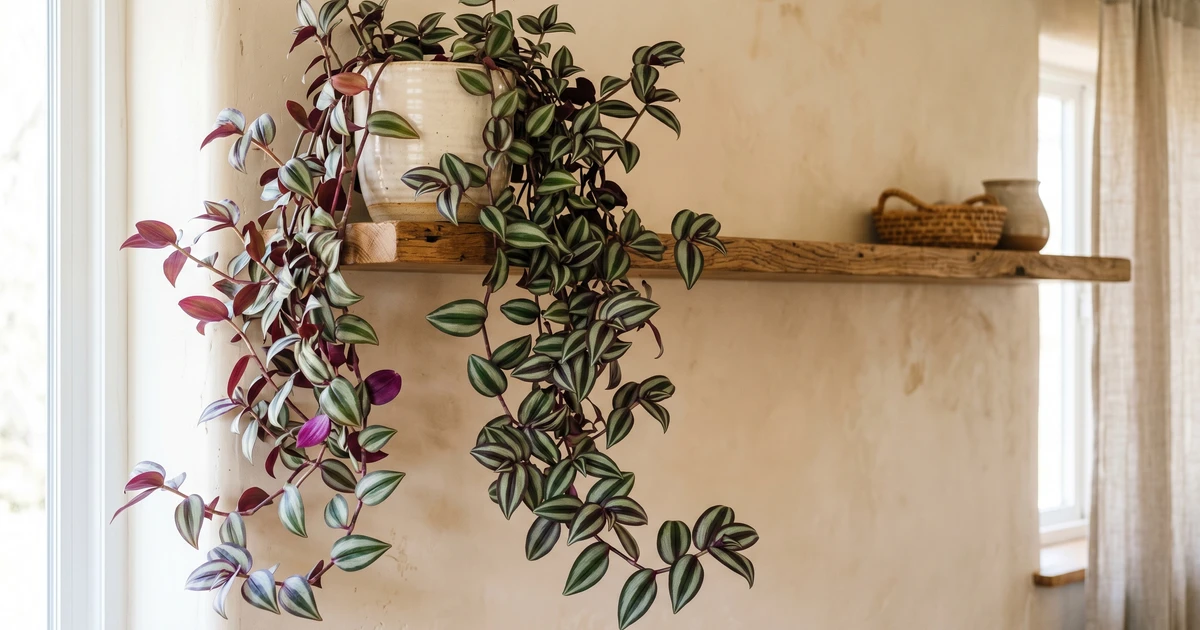
aphids on Tradescantia Nanouk
Quick answer
If your Tradescantia Nanouk has aphids, the most likely cause is: Tradescantia nanouk pushes out flushes of tender new leaves and stem tips through the growing season, and those soft, nitrogen-rich tissues are exactly where aphids settle, pierce, and feed. The genus is repeatedly listed as aphid-susceptible in houseplant references, and stressed plants that are also battling cold, wet roots tend to attract the heaviest infestations on the newest growth.
Start here:
- 1. Rinse the entire plant under a gentle stream of tepid water in the sink or shower, paying special attention to the undersides of the leaves and the growing tips where aphid colonies cluster, then follow up with a spray of insecticidal soap or a labeled neem-oil solution once the foliage has drained.
- 2. After rinsing and spraying, isolate the plant from nearby houseplants for at least a couple of weeks, inspect new growth every few days for returning green or black aphids, and crush any small colonies by hand or dab them off with a cotton swab dipped in diluted rubbing alcohol.
Why Tradescantia Nanouk gets aphids
tradescantia nanouk
Tradescantia nanouk pushes out flushes of tender new leaves and stem tips through the growing season, and those soft, nitrogen-rich tissues are exactly where aphids settle, pierce, and feed. The genus is repeatedly listed as aphid-susceptible in houseplant references, and stressed plants that are also battling cold, wet roots tend to attract the heaviest infestations on the newest growth.
How to reverse aphids on Tradescantia Nanouk
- 1
Rinse the entire plant under a gentle stream of tepid water in the sink or shower, paying special attention to the undersides of the leaves and the growing tips where aphid colonies cluster, then follow up with a spray of insecticidal soap or a labeled neem-oil solution once the foliage has drained.
- 2
After rinsing and spraying, isolate the plant from nearby houseplants for at least a couple of weeks, inspect new growth every few days for returning green or black aphids, and crush any small colonies by hand or dab them off with a cotton swab dipped in diluted rubbing alcohol.
Keep aphids off this Tradescantia Nanouk
Inspect new growth regularly during the spring and summer flush, keep the plant well-fed but not over-fertilized with nitrogen, avoid overhead overcrowding so air moves freely through the foliage, encourage beneficial predators by giving the plant a summer outdoors on a shaded porch, and quarantine any new houseplants for a couple of weeks before they share a window with the Tradescantia.