89% confidence
Based on 4,272 analyzed cases
hard water on Tradescantia
Quick answer
If your Tradescantia has hard water, the most likely cause is: Fluoride and chlorine in tap water cause brown, crispy tips and leaf margins over time.
Start here:
- 1. Switch to distilled water, rainwater, or filtered water
- 2. Allow tap water to sit for 24 hours to dissipate chlorine
Why Tradescantia gets hard water
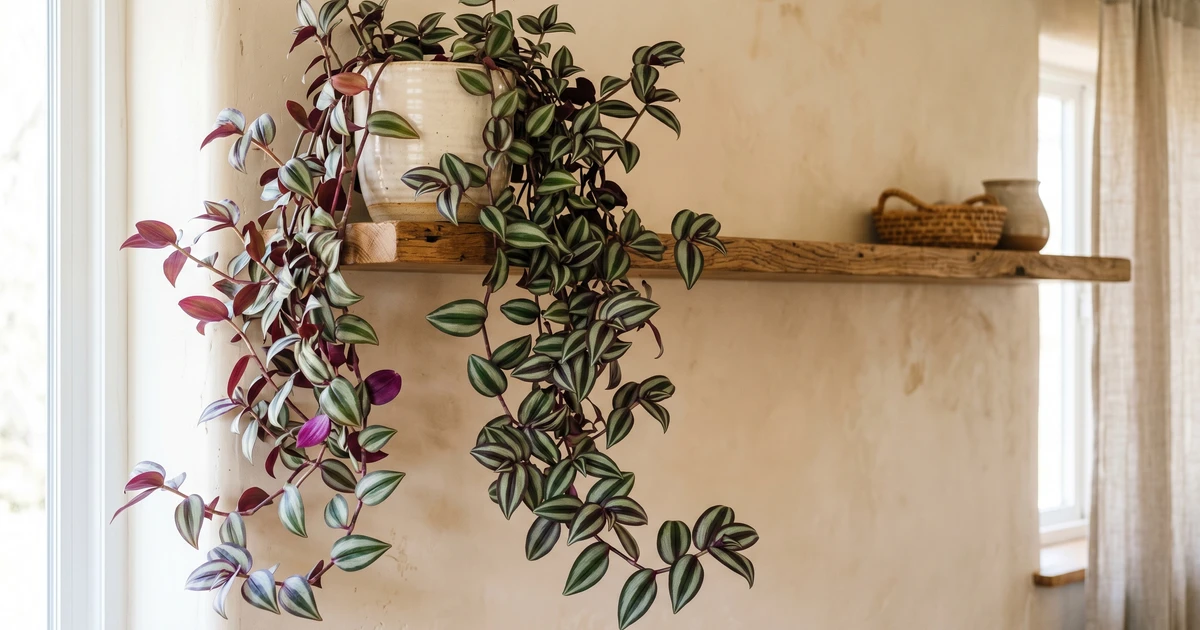
Tradescantia zebrina
Fluoride and chlorine in tap water cause brown, crispy tips and leaf margins over time.
How to reverse hard water on Tradescantia
- 1
Switch to distilled water, rainwater, or filtered water
- 2
Allow tap water to sit for 24 hours to dissipate chlorine
- 3
Flush the soil periodically with distilled water to remove salt buildup
Keep hard water off this Tradescantia
Use high-quality water; monitor tip condition as a health indicator.
Other Tradescantia problems
Same Problem on Other Plants
Frequently Asked Questions
What causes hard water on Tradescantia?
Fluoride and chlorine in tap water cause brown, crispy tips and leaf margins over time.
How do I fix hard water on Tradescantia?
Switch to distilled water, rainwater, or filtered water. Allow tap water to sit for 24 hours to dissipate chlorine.
How do I keep hard water from coming back on Tradescantia?
Use high-quality water; monitor tip condition as a health indicator.