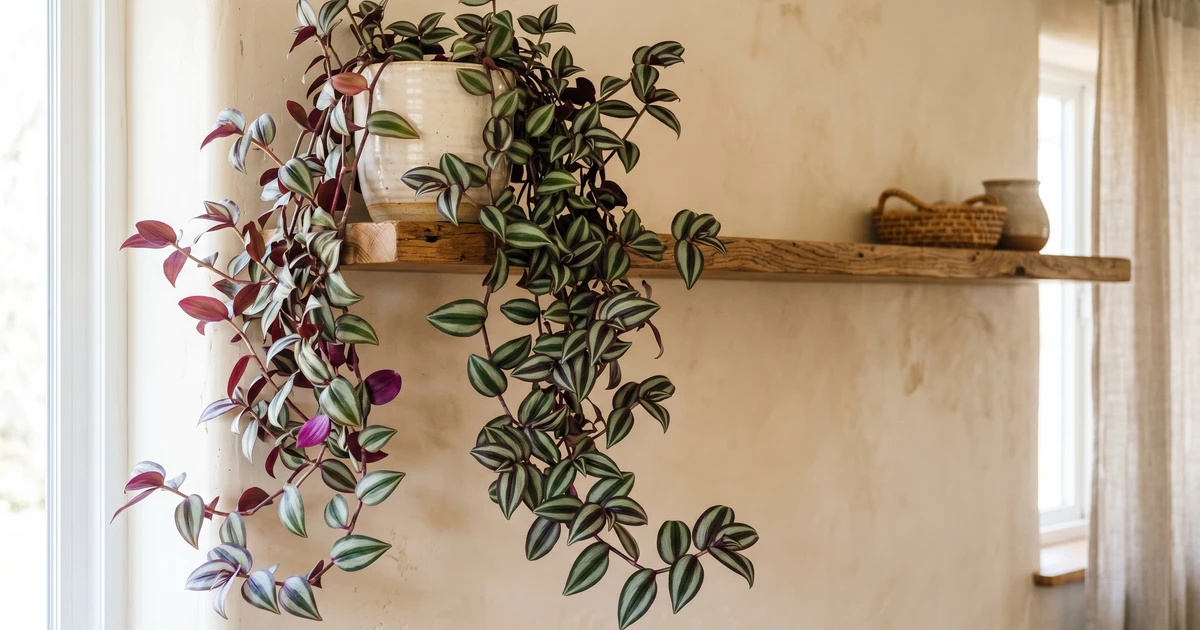
root rot on Variegated Philodendron
Quick answer
If your Variegated Philodendron has root rot, the most likely cause is: Variegated philodendrons collapse and lose roots when the potting mix turns sour and poorly drained, especially in pots without adequate drainage. Slow growth in the same pot combined with cramped roots signals that the substrate has compacted and is holding anaerobic water around the root crown. Because variegated tissue stores less carbohydrate than all-green tissue, the plant cannot easily replace roots lost to rot, so a single saturation event can be fatal.
Start here:
- 1. Unpot the plant, shake off the old sour soil, and cut away any black, mushy, or hollow roots with a sterile blade back to firm white tissue.
- 2. Repot into a fresh, loose epiphytic mix of equal parts packaged potting soil and ground fir bark so water drains freely and roots receive oxygen.
Why Variegated Philodendron gets root rot
variegated philodendron
Variegated philodendrons collapse and lose roots when the potting mix turns sour and poorly drained, especially in pots without adequate drainage. Slow growth in the same pot combined with cramped roots signals that the substrate has compacted and is holding anaerobic water around the root crown. Because variegated tissue stores less carbohydrate than all-green tissue, the plant cannot easily replace roots lost to rot, so a single saturation event can be fatal.
How to reverse root rot on Variegated Philodendron
- 1
Unpot the plant, shake off the old sour soil, and cut away any black, mushy, or hollow roots with a sterile blade back to firm white tissue.
- 2
Repot into a fresh, loose epiphytic mix of equal parts packaged potting soil and ground fir bark so water drains freely and roots receive oxygen.
- 3
After repotting, withhold water for several days so cut root surfaces callus, then resume a normal watering rhythm only when the top inch of mix begins to dry.
- 4
Move the plant to bright indirect light and stop fertilizing until new white root tips and fresh growth appear.
Keep root rot off this Variegated Philodendron
Use a chunky, bark-based aroid mix; pot in a container with drainage holes; water only when the top of the mix is dry; and repot every one to three years so the substrate never turns sour or compacted.