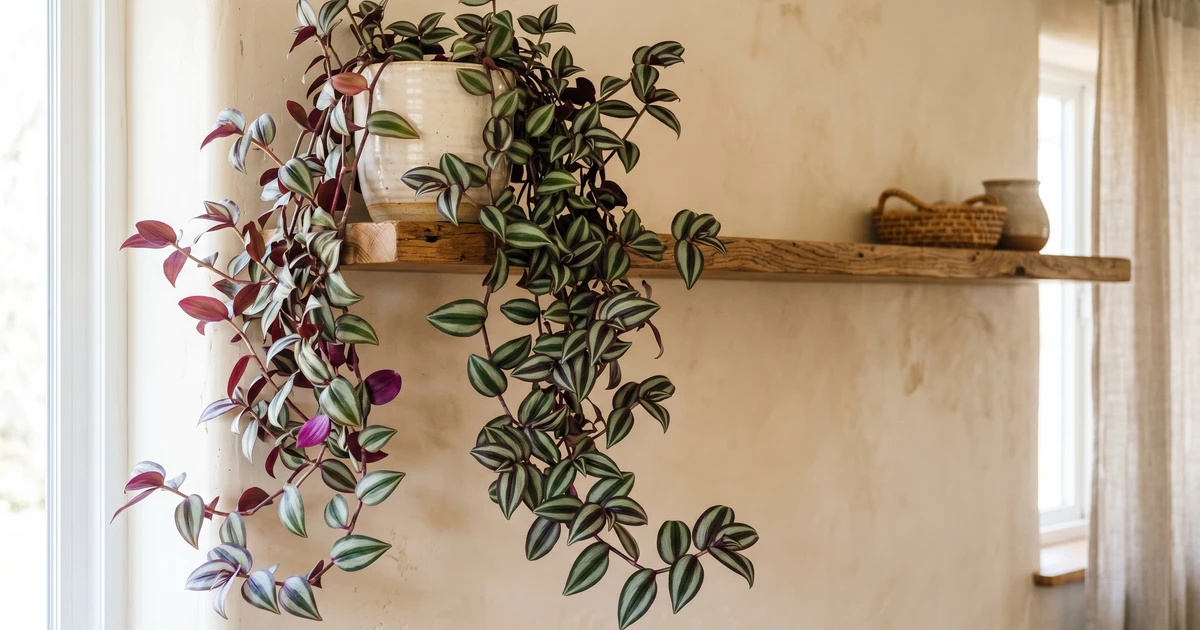
spider mites on Variegated Philodendron
Quick answer
If your Variegated Philodendron has spider mites, the most likely cause is: Variegated philodendrons, like other philodendrons, fall prey to microscopic red spider mites that establish fine webs at the leaf and stem axils, sucking sap and turning the mottled leaves gray, brown, and crumbly. Mite pressure rises sharply when heat is high and humidity is low, the very conditions that already stress variegated tissue. Lower leaves that turn brown and die should always raise suspicion of red spider, not just of dry air, because the two symptoms travel together.
Start here:
- 1. Spray the whole plant vigorously with clear water from above and below, breaking the fine webs at the leaf and stem axils and physically dislodging mites.
- 2. If webs persist after the rinse, follow up with a miticide spray such as Dimite or Aramite, coating both leaf surfaces and stems.
Why Variegated Philodendron gets spider mites
variegated philodendron
Variegated philodendrons, like other philodendrons, fall prey to microscopic red spider mites that establish fine webs at the leaf and stem axils, sucking sap and turning the mottled leaves gray, brown, and crumbly. Mite pressure rises sharply when heat is high and humidity is low, the very conditions that already stress variegated tissue. Lower leaves that turn brown and die should always raise suspicion of red spider, not just of dry air, because the two symptoms travel together.
How to reverse spider mites on Variegated Philodendron
- 1
Spray the whole plant vigorously with clear water from above and below, breaking the fine webs at the leaf and stem axils and physically dislodging mites.
- 2
If webs persist after the rinse, follow up with a miticide spray such as Dimite or Aramite, coating both leaf surfaces and stems.
- 3
Treat neighboring plants at the same time, since mites spread through shared airspace and through leaves that touch.
- 4
Trim and bag the worst-affected leaves and dispose of them in the trash so mites cannot migrate back from dropped debris.
Keep spider mites off this Variegated Philodendron
Keep humidity around the plant on the higher side of comfortable indoor range, mist weekly with clear tepid water, wipe leaves occasionally with a damp cloth, and inspect leaf axils for early webbing before populations explode.