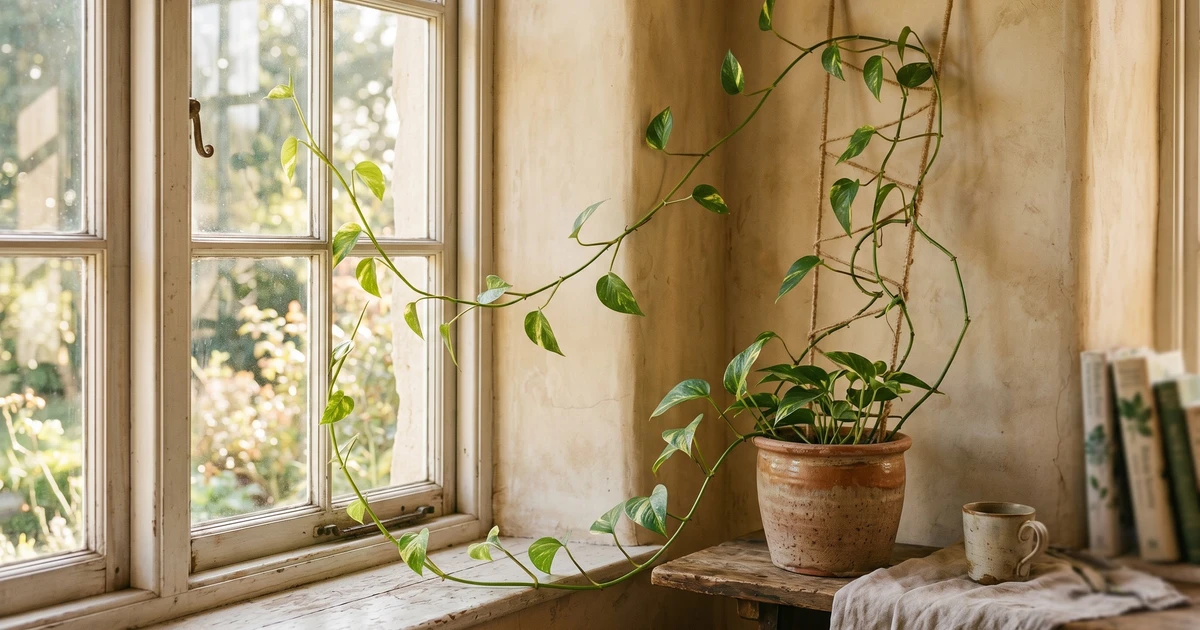
leggy growth on Zz Plant
Quick answer
If your Zz Plant has leggy growth, the most likely cause is: ZZ plants become leggy (elongated, sparse stems with leaves clustered at the top) when they do not receive enough light. In low light conditions, stems stretch toward any available light source, creating bare lower stems. This is often misinterpreted as normal growth�users think ZZs are inherently sparse when they are actually light-starved. Unlike succulents that show color changes, ZZs maintain their green color while etiolating, making the problem harder to detect visually.
Start here:
- 1. Move to brighter location: East or west-facing window with bright indirect light
- 2. Rotate plant 90 degrees weekly to promote even growth on all sides
Why Zz Plant gets leggy growth
Zamioculcas zamiifolia
ZZ plants become leggy (elongated, sparse stems with leaves clustered at the top) when they do not receive enough light. In low light conditions, stems stretch toward any available light source, creating bare lower stems. This is often misinterpreted as normal growth�users think ZZs are inherently sparse when they are actually light-starved. Unlike succulents that show color changes, ZZs maintain their green color while etiolating, making the problem harder to detect visually.
How to reverse leggy growth on Zz Plant
- 1
Move to brighter location: East or west-facing window with bright indirect light
- 2
Rotate plant 90 degrees weekly to promote even growth on all sides
- 3
If stems are severely leggy: Prune back to desired height and propagate cuttings
- 4
Provide supplemental grow lights if natural light is insufficient (2000+ lux)
- 5
Be patient: New growth will emerge compact and full; old leggy stems will not fill in
Keep leggy growth off this Zz Plant
Position ZZs in bright indirect light from the start. The myth that ZZs thrive in low light causes most etiolation problems�they survive in low light but thrive in bright conditions. Use a light meter app to verify 1000-2000 lux at the plant location. Rotate regularly to prevent one-sided growth toward windows.
Other Zz Plant problems
Same Problem on Other Plants
Go Deeper
This is covered in-depth in the zz plant Mastery Pack — structured modules with video walkthroughs, advanced protocols, and rescue timelines.
Get the Mastery Pack — $37 →