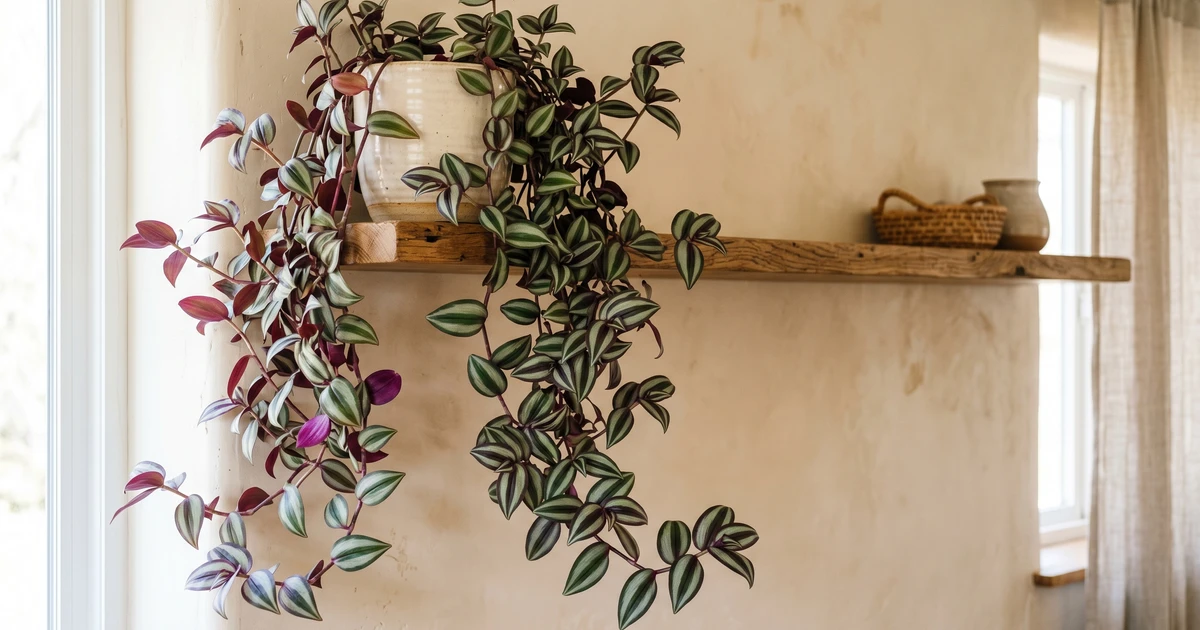
dormancy light increase on Alocasia
Quick answer
If your Alocasia has dormancy light increase, the most likely cause is: Alocasia dormancy is primarily triggered by shortening photoperiods below 12 hours daily. To break dormancy, the tuber requires increasing day length signals that mimic spring conditions. Premature light increases without corresponding warmth and humidity create photodamage risk to unopened shoots, while insufficient light delays emergence.
Start here:
- 1. Extend photoperiod to 12-14 hours using LED grow lights positioned 18-24 inches above dormant tuber
- 2. Begin with 10-12 hours daily and increase by 30 minutes every 3-4 days over 2 weeks
Why Alocasia gets dormancy light increase
Alocasia spp.
Alocasia dormancy is primarily triggered by shortening photoperiods below 12 hours daily. To break dormancy, the tuber requires increasing day length signals that mimic spring conditions. Premature light increases without corresponding warmth and humidity create photodamage risk to unopened shoots, while insufficient light delays emergence.
How to reverse dormancy light increase on Alocasia
- 1
Extend photoperiod to 12-14 hours using LED grow lights positioned 18-24 inches above dormant tuber
- 2
Begin with 10-12 hours daily and increase by 30 minutes every 3-4 days over 2 weeks
- 3
Provide 2000-4000 lux intensity initially, increasing to 4000-6000 lux as leaves unfurl
- 4
East-facing windows with supplemental lighting provide ideal spectrum balance
- 5
Rotate pot 90° weekly to ensure even light distribution around emerging shoots
Keep dormancy light increase off this Alocasia
Install programmable grow lights in autumn to maintain 12+ hour photoperiod year-round, preventing dormancy initiation in indoor specimens.