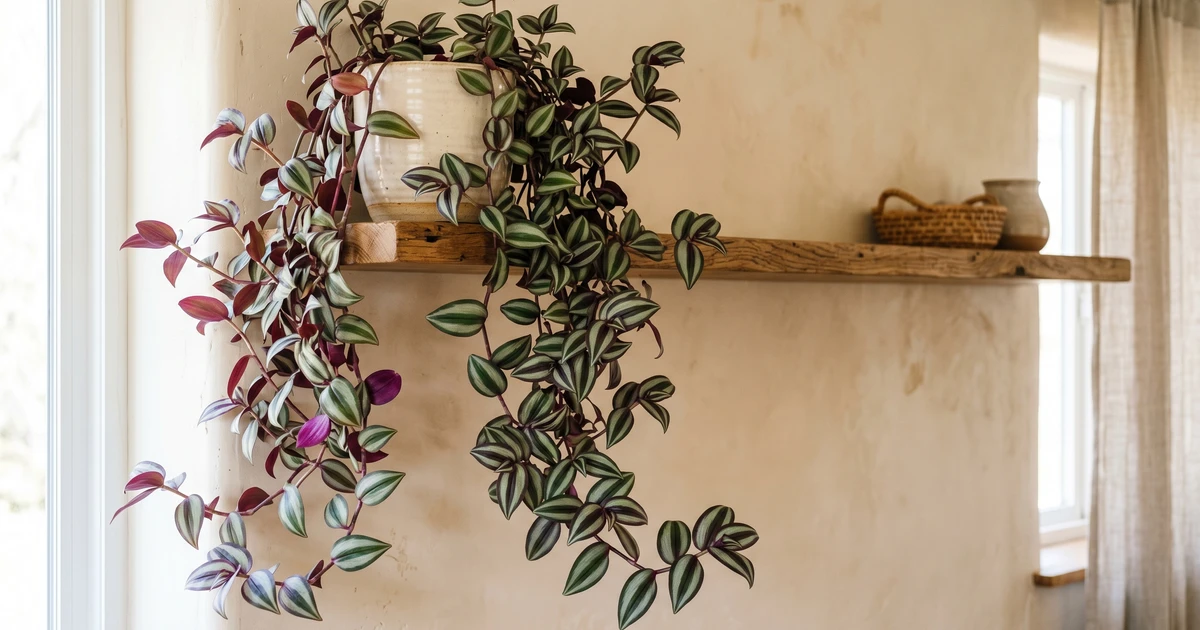
moisture meter interpretation on Alocasia
Quick answer
If your Alocasia has moisture meter interpretation, the most likely cause is: The moisture meter confusion stems from misunderstanding how Alocasia roots interact with soil moisture zones. These tropical aroids require the upper soil layers (where fine feeder roots concentrate) to dry while deeper soil maintains slight moisture for anchoring roots. Standard 'moist' meter readings don't account for this stratification, leading to overwatering when the bottom remains wet while surface appears dry.
Start here:
- 1. Proper technique: Insert moisture meter probe vertically 2-3 inches deep near pot edge (avoiding central root zone); wait 60 seconds for stable reading
- 2. Target reading: Water when meter shows 3-4 on 10-point scale (upper soil dry, lower still holding moisture)
Why Alocasia gets moisture meter interpretation
Alocasia spp.
The moisture meter confusion stems from misunderstanding how Alocasia roots interact with soil moisture zones. These tropical aroids require the upper soil layers (where fine feeder roots concentrate) to dry while deeper soil maintains slight moisture for anchoring roots. Standard 'moist' meter readings don't account for this stratification, leading to overwatering when the bottom remains wet while surface appears dry.
How to reverse moisture meter interpretation on Alocasia
- 1
Proper technique: Insert moisture meter probe vertically 2-3 inches deep near pot edge (avoiding central root zone); wait 60 seconds for stable reading
- 2
Target reading: Water when meter shows 3-4 on 10-point scale (upper soil dry, lower still holding moisture)
- 3
Avoid bottom-only readings: Probe pushed to pot bottom always shows moisture—this causes overwatering
- 4
Combine methods: Use meter weekly to track trends, but finger test at 2 inches before every watering for final decision
- 5
Soil mix calibration: Test your specific mix—thoroughly water, check daily with meter to learn how many days until reading reaches your target (typically 7-10 days)
- 6
Adjustment: Reduce target reading by 1 point in winter when evaporation slows; increase by 1 point in summer/active growth
Keep moisture meter interpretation off this Alocasia
Use moisture meters with probe inserted at 2-3 inch depth—not at bottom of pot; combine meter readings with finger test at surface; choose meters with 1-10 scale rather than simple dry/moist/wet indicators; calibrate to your specific soil mix's drainage rate.