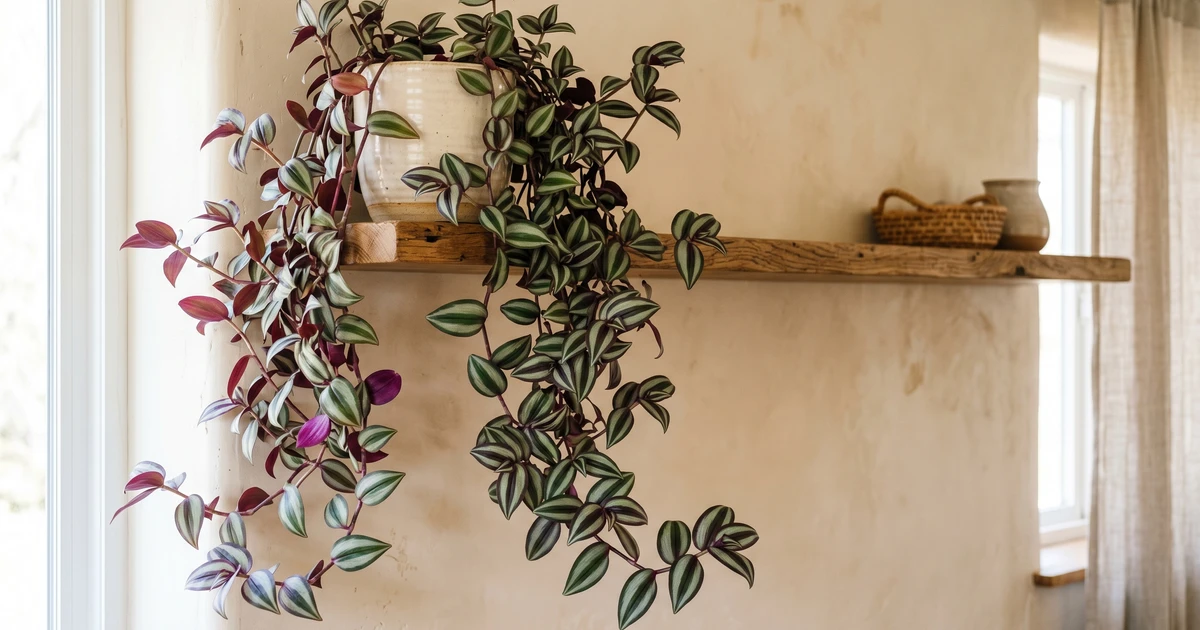
winter leaf loss on Alocasia
Quick answer
If your Alocasia has winter leaf loss, the most likely cause is: Alocasia dormancy is largely a myth for indoor plants kept at stable temperatures above 65°F — the genus Alocasia (unlike Colocasia or Caladium) does not retreat to tubers or fully defoliate when grown indoors year-round. What indoor Alocasias experience is seasonal growth slowdown during winter months with shorter photoperiods and lower light intensity, which reduces metabolic activity and slows leaf production without triggering true dormancy physiology.
Start here:
- 1. Keep indoor Alocasias at consistent 70-80°F temperatures year-round — never below 60°F which can trigger stress-induced leaf drop
- 2. Provide 12+ hours of bright indirect light via east/north windows or full-spectrum grow lights to prevent winter slowdowns
Why Alocasia gets winter leaf loss
Alocasia spp.
Alocasia dormancy is largely a myth for indoor plants kept at stable temperatures above 65°F — the genus Alocasia (unlike Colocasia or Caladium) does not retreat to tubers or fully defoliate when grown indoors year-round. What indoor Alocasias experience is seasonal growth slowdown during winter months with shorter photoperiods and lower light intensity, which reduces metabolic activity and slows leaf production without triggering true dormancy physiology.
How to reverse winter leaf loss on Alocasia
- 1
Keep indoor Alocasias at consistent 70-80°F temperatures year-round — never below 60°F which can trigger stress-induced leaf drop
- 2
Provide 12+ hours of bright indirect light via east/north windows or full-spectrum grow lights to prevent winter slowdowns
- 3
Maintain 60-80% humidity with humidifier or pebble trays to mimic tropical conditions
- 4
Reduce watering frequency by ~30% in winter months (allow top 2-3 inches to dry) but never stop watering entirely
- 5
Expect smaller or fewer new leaves during winter — this is normal growth slowdown, not dormancy
Keep winter leaf loss off this Alocasia
Maintain consistent year-round temperatures above 65°F, humidity above 60%, and provide supplemental grow lights during winter months to prevent growth stalls that owners misinterpret as dormancy.