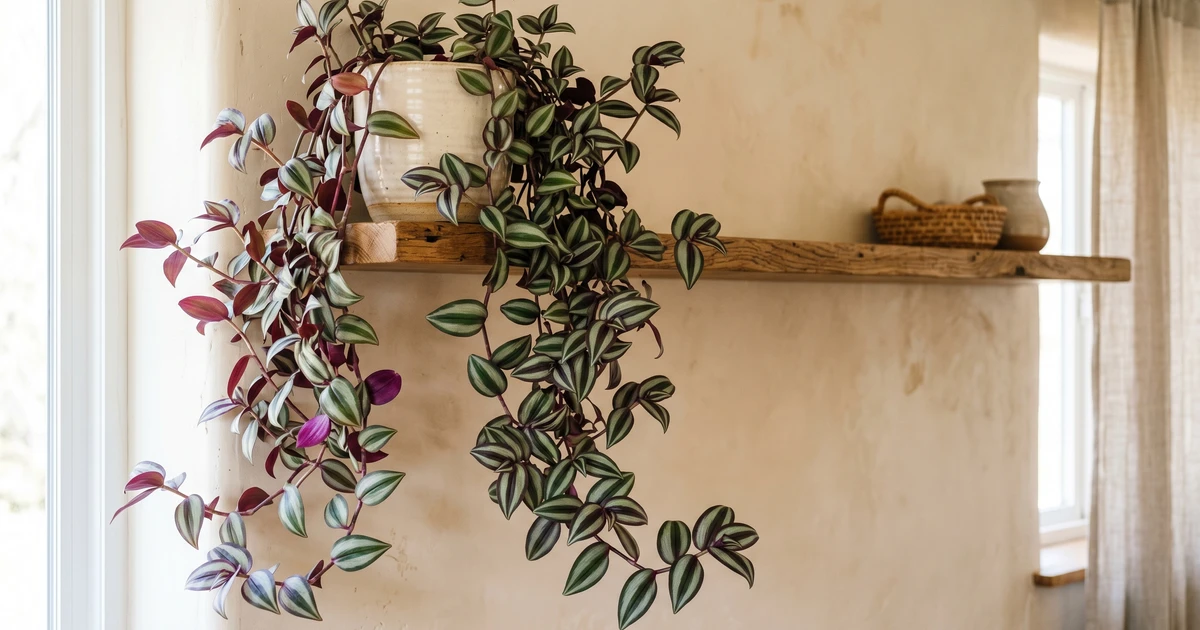
hydrophobic soil on Begonia Maculata
Quick answer
If your Begonia Maculata has hydrophobic soil, the most likely cause is: Hydrophobic soil in Begonia maculata containers occurs when peat-based mixes dry completely, causing the waxy organic compounds to repel water rather than absorb it. Water then channels down the pot sides without reaching the root zone, leaving fine Begonia epiphytic roots desiccated despite surface watering. This mimics root rot symptoms (wilting, decline) but roots are actually drought-stressed, not rotting.
Start here:
- 1. Combine bottom and top watering for first 2-3 watering sessions: soak saucer for bottom uptake while pouring from top until fully saturated
- 2. Allow all excess water to drain completely to avoid subsequent rot after rehydration
Why Begonia Maculata gets hydrophobic soil
Begonia maculata
Hydrophobic soil in Begonia maculata containers occurs when peat-based mixes dry completely, causing the waxy organic compounds to repel water rather than absorb it. Water then channels down the pot sides without reaching the root zone, leaving fine Begonia epiphytic roots desiccated despite surface watering. This mimics root rot symptoms (wilting, decline) but roots are actually drought-stressed, not rotting.
How to reverse hydrophobic soil on Begonia Maculata
- 1
Combine bottom and top watering for first 2-3 watering sessions: soak saucer for bottom uptake while pouring from top until fully saturated
- 2
Allow all excess water to drain completely to avoid subsequent rot after rehydration
- 3
Subsequent watering: use bottom-watering (place pot in saucer of water for 20-30 minutes) for even moisture distribution
- 4
If hydrophobic soil persists: unpot plant, gently break up root ball, and soak root mass in room-temperature water for 10 minutes before repotting in fresh mix
- 5
Use moisture meter to check soil moisture 1 inch deep before each watering — should be barely moist, not bone-dry
Keep hydrophobic soil off this Begonia Maculata
Use peat/perlite-based mixes that retain moisture without hydrophobicity; pre-moisten dry soil before potting; maintain consistent watering schedule rather than allowing complete drying; use moisture meters for precise checks.