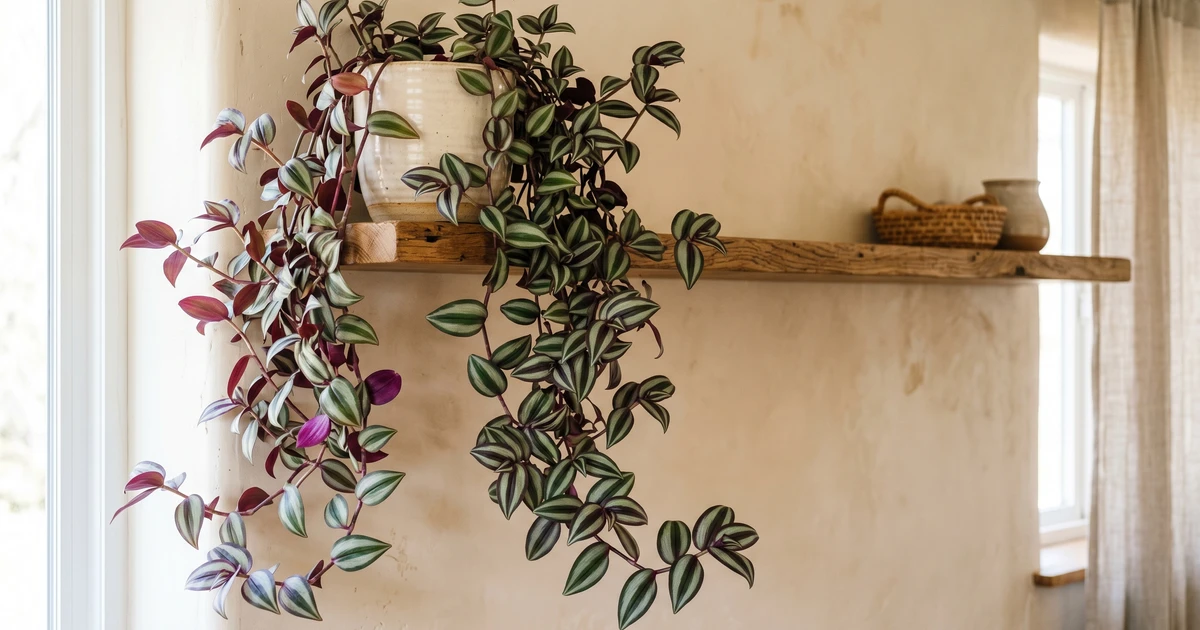
watering sensitivity on Begonia Maculata
Quick answer
If your Begonia Maculata has watering sensitivity, the most likely cause is: Begonia maculata possesses a shallow, fibrous root system adapted to epiphytic forest floor conditions with rapid drainage. The rhizomatous stem base stores water but is highly susceptible to anaerobic bacterial infection (Pythium, Erwinia) when soil remains saturated for more than 48 hours. Overwatering symptoms (wilting, yellowing) mimic underwatering because damaged roots cannot uptake water, creating diagnostic confusion. The thin leaves show stress faster than thick-leaved succulents, but recovery from root rot is slower due to limited root regeneration capacity.
Start here:
- 1. Use finger test: Water only when top 1-2 inches of soil are completely dry
- 2. Employ well-draining mix: 50% peat moss, 30% perlite, 20% orchid bark for aeration
Why Begonia Maculata gets watering sensitivity
Begonia maculata
Begonia maculata possesses a shallow, fibrous root system adapted to epiphytic forest floor conditions with rapid drainage. The rhizomatous stem base stores water but is highly susceptible to anaerobic bacterial infection (Pythium, Erwinia) when soil remains saturated for more than 48 hours. Overwatering symptoms (wilting, yellowing) mimic underwatering because damaged roots cannot uptake water, creating diagnostic confusion. The thin leaves show stress faster than thick-leaved succulents, but recovery from root rot is slower due to limited root regeneration capacity.
How to reverse watering sensitivity on Begonia Maculata
- 1
Use finger test: Water only when top 1-2 inches of soil are completely dry
- 2
Employ well-draining mix: 50% peat moss, 30% perlite, 20% orchid bark for aeration
- 3
Bottom-water when possible to control saturation and avoid wetting foliage
- 4
Check drainage holes—water should exit within 30 seconds; if not, repot with more perlite
- 5
If overwatered: Unpot, trim black/mushy roots, treat with 3% hydrogen peroxide 1:1 dilution, repot in dry mix
Keep watering sensitivity off this Begonia Maculata
Establish 'droop-then-water' routine: Wait until top leaves show slight wilt before watering. Use terracotta pots that wick excess moisture. Maintain 60%+ humidity to reduce watering frequency needs. Never leave standing water in saucer—empty after 30 minutes. Adjust seasonally: water every 7-10 days in growing season, every 14-21 days in winter dormancy.