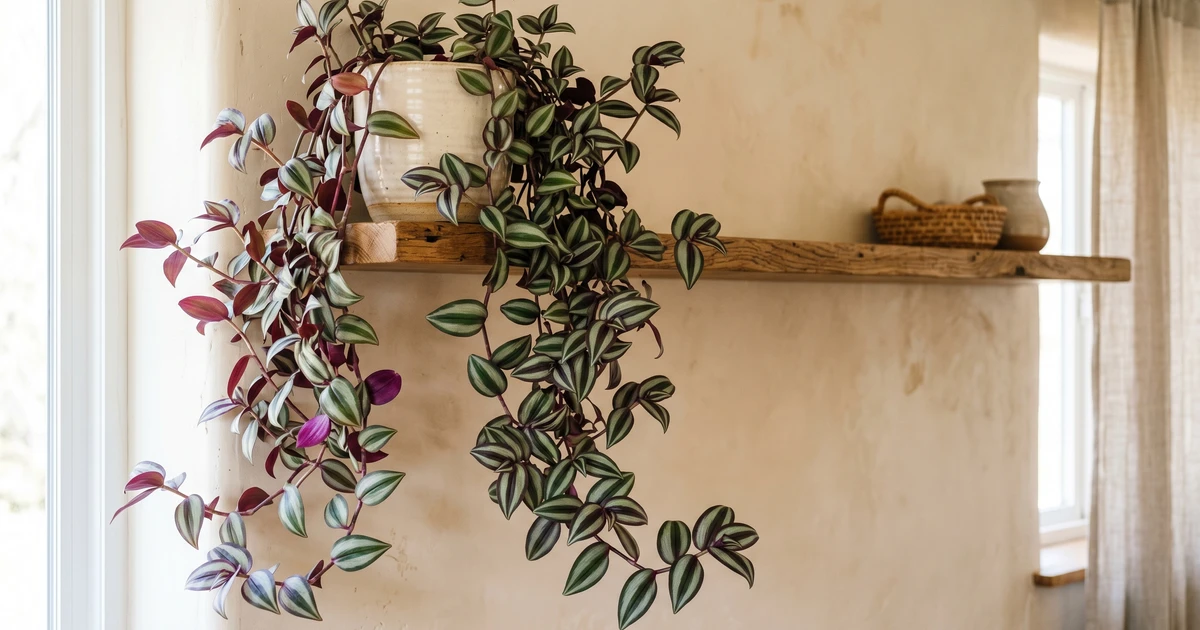
Begonia: begonia flowering vs foliage types
Quick answer
On Begonia, begonia flowering vs foliage types usually comes down to this: Begonia types can be categorized by their primary ornamental value: Foliage-first types (Rex, Rhizomatous, and Iron Cross Begonias) produce asymmetric patterned leaves with spiraling crescents and metallic iridescence as their main visual appeal, with inconspicuous flowers that are often removed to redirect energy to leaf production. Flowering-first types (Cane and Tuberous Begonias) prioritize spectacular bloom displays — cane types produce cascading pendulous flower clusters (panicles) in pink, white, coral, and red at branch terminals, while tuberous types develop round, rose-like flowers up to 6 inches in diameter in show-stopping colors including yellow, orange, and bicolor. The critical distinction is that foliage types rarely produce show-quality blooms, while flowering types produce leaves that are botanically functional but not the primary selling point.
Start here:
- 1. Foliage begonias (rex, rhizomatous): expect small non-showy flowers in spring, often cut off to preserve leaf energy and aesthetics
- 2. Cane begonias: produce large cascading panicles of small flowers (angel wing types) or big single blooms (hardy cane varieties) from spring through fall
How to tell these apart on Begonia
Begonia spp.
Begonia types can be categorized by their primary ornamental value: Foliage-first types (Rex, Rhizomatous, and Iron Cross Begonias) produce asymmetric patterned leaves with spiraling crescents and metallic iridescence as their main visual appeal, with inconspicuous flowers that are often removed to redirect energy to leaf production. Flowering-first types (Cane and Tuberous Begonias) prioritize spectacular bloom displays — cane types produce cascading pendulous flower clusters (panicles) in pink, white, coral, and red at branch terminals, while tuberous types develop round, rose-like flowers up to 6 inches in diameter in show-stopping colors including yellow, orange, and bicolor. The critical distinction is that foliage types rarely produce show-quality blooms, while flowering types produce leaves that are botanically functional but not the primary selling point.
What to do for Begonia
- 1
Foliage begonias (rex, rhizomatous): expect small non-showy flowers in spring, often cut off to preserve leaf energy and aesthetics
- 2
Cane begonias: produce large cascading panicles of small flowers (angel wing types) or big single blooms (hardy cane varieties) from spring through fall
- 3
Tuberous begonias: produce one spectacular flush of round flowers in summer — huge (4-6 inches), symmetric, in vivid colors; deadhead spent blooms to encourage more flowers
- 4
To maximize bloom: fertilize flowering types with high-phosphorus fertilizer (10-30-10) monthly during growing season
- 5
To maximize foliage: use balanced fertilizer (10-10-10) and maintain high humidity for rex/rhizomatous types
Avoid mixing these up on Begonia
Choose begonia type based on primary goal: for year-round foliage interest select rex/rhizomatous cultivars; for seasonal color bursts select cane or tuberous types; do not expect prolific flowers from foliage types or dramatic foliage from flowering types.