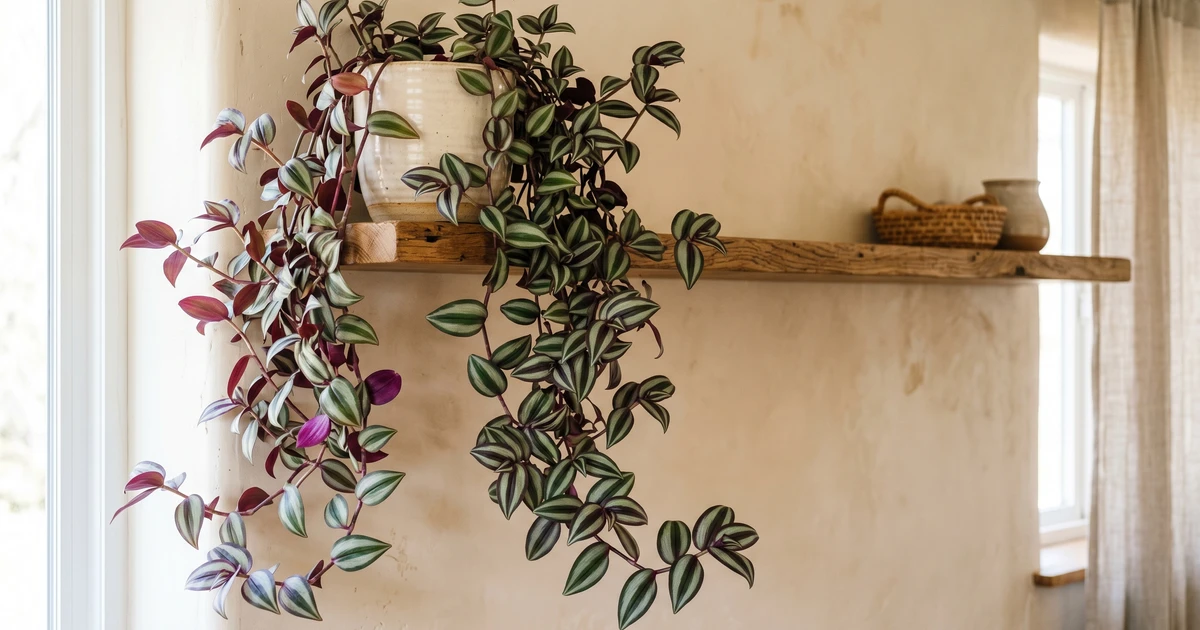
dropping leaves transplant shock on Begonia
Quick answer
If your Begonia has dropping leaves transplant shock, the most likely cause is: Begonias exhibit extreme sensitivity to environmental disruption due to their tropical understory evolution where conditions remain stable year-round. When purchased from nurseries (often tissue-cultured or greenhouse-grown) and introduced to home environments, the combined stress of transport, humidity reduction (90% to 40-50%), light changes, and repotting triggers ethylene hormone cascade causing rapid leaf abscission. This 'import syndrome' particularly affects juvenile tissue; mature leaves more stable but may yellow.
Start here:
- 1. Immediate quarantine: Place in stable recovery environment—bright indirect light 1500-2500 lux, 60-70% humidity, 65-75°F temperature, no drafts
- 2. No repotting prohibition: Do NOT repot for minimum 30 days post-purchase regardless of nursery soil quality; root disturbance compounds shock
Why Begonia gets dropping leaves transplant shock
Begonia spp.
Begonias exhibit extreme sensitivity to environmental disruption due to their tropical understory evolution where conditions remain stable year-round. When purchased from nurseries (often tissue-cultured or greenhouse-grown) and introduced to home environments, the combined stress of transport, humidity reduction (90% to 40-50%), light changes, and repotting triggers ethylene hormone cascade causing rapid leaf abscission. This 'import syndrome' particularly affects juvenile tissue; mature leaves more stable but may yellow.
How to reverse dropping leaves transplant shock on Begonia
- 1
Immediate quarantine: Place in stable recovery environment—bright indirect light 1500-2500 lux, 60-70% humidity, 65-75°F temperature, no drafts
- 2
No repotting prohibition: Do NOT repot for minimum 30 days post-purchase regardless of nursery soil quality; root disturbance compounds shock
- 3
Humidity dome option: For severe cases (mass leaf drop), create mini greenhouse using clear plastic bag or dome with ventilation holes for 2 weeks
- 4
Watering caution: Allow top 1-2 inches to dry between waterings; resist urge to water more to 'help' stressed plant—overwatering kills recovering roots
- 5
Patience protocol: Expect continued leaf drop for 7-14 days; new growth emergence indicates successful acclimation (typically 3-5 weeks)
- 6
Fertilizer moratorium: No fertilizer for 6-8 weeks; stressed roots cannot uptake nutrients and excess salts damage tender new roots
Keep dropping leaves transplant shock off this Begonia
Research nursery practices before purchase; buy only from sellers who harden plants 4+ weeks post-tissue culture; request plants acclimated to home-like conditions; maintain quarantine area with stable 65-75°F and 60%+ humidity; avoid purchasing during extreme weather; transport with insulation in temperature-controlled vehicle