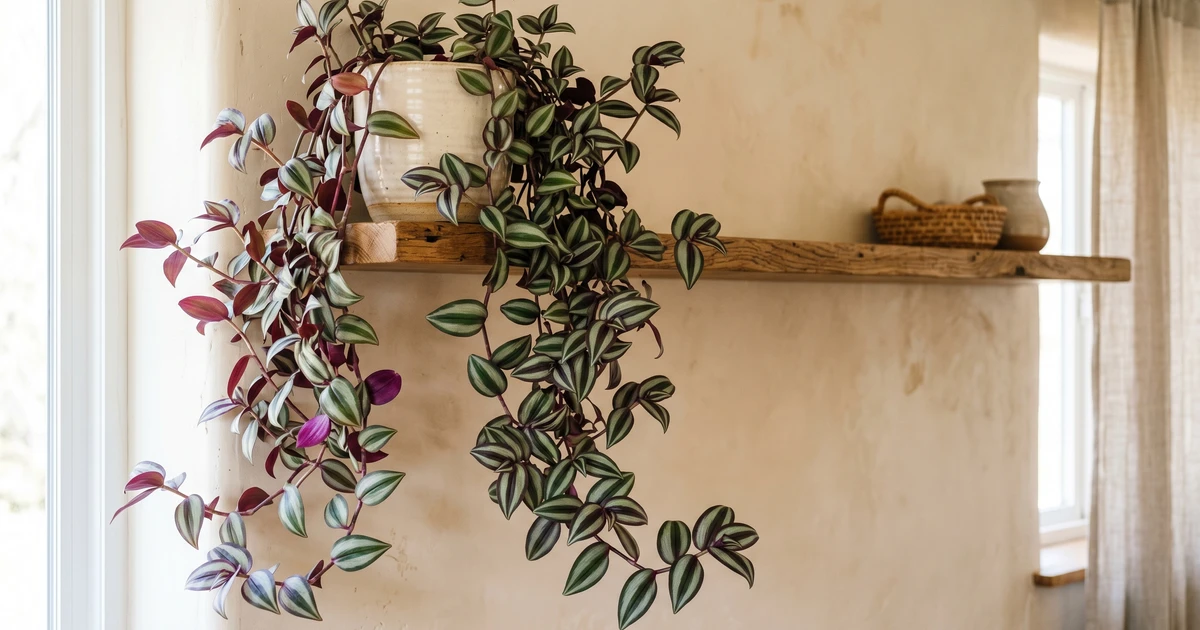
environmental stress on Begonia
Quick answer
If your Begonia has environmental stress, the most likely cause is: Begonia environmental stress from dry indoor air and heating/cooling systems causes a characteristic cascading symptom pattern: leaf margin desiccation (crispy edges), reduced photosynthesis from stomatal closure, leaf curling to reduce exposed surface area, and eventual whole-leaf necrosis if stress continues unchecked for 2-4 weeks. These are adaptive thermoregulation and humidity stress responses, not fungal infection.
Start here:
- 1. Monitor begonias daily during winter heating season when indoor RH drops to 20-30%
- 2. Watch for leaf margin browning that spreads inward from tips — distinct from fungal leaf spot which has concentric rings
Why Begonia gets environmental stress
Begonia spp.
Begonia environmental stress from dry indoor air and heating/cooling systems causes a characteristic cascading symptom pattern: leaf margin desiccation (crispy edges), reduced photosynthesis from stomatal closure, leaf curling to reduce exposed surface area, and eventual whole-leaf necrosis if stress continues unchecked for 2-4 weeks. These are adaptive thermoregulation and humidity stress responses, not fungal infection.
How to reverse environmental stress on Begonia
- 1
Monitor begonias daily during winter heating season when indoor RH drops to 20-30%
- 2
Watch for leaf margin browning that spreads inward from tips — distinct from fungal leaf spot which has concentric rings
- 3
Leaf curling inward reduces exposed surface area as a humidity stress thermoregulation response
- 4
Recovery within 2-4 weeks when humidity restored to 50-70% RH — new growth emerges as recovery indicator
- 5
Use digital hygrometer to verify local RH at plant level (not room ambient) since microclimates vary
Keep environmental stress off this Begonia
Install digital hygrometer near begonias to monitor RH levels daily; maintain 50-70% RH consistently especially during winter heating when indoor air commonly drops to 20-30%; use automated humidifier with hygrometer controller set to activate at 45% RH.