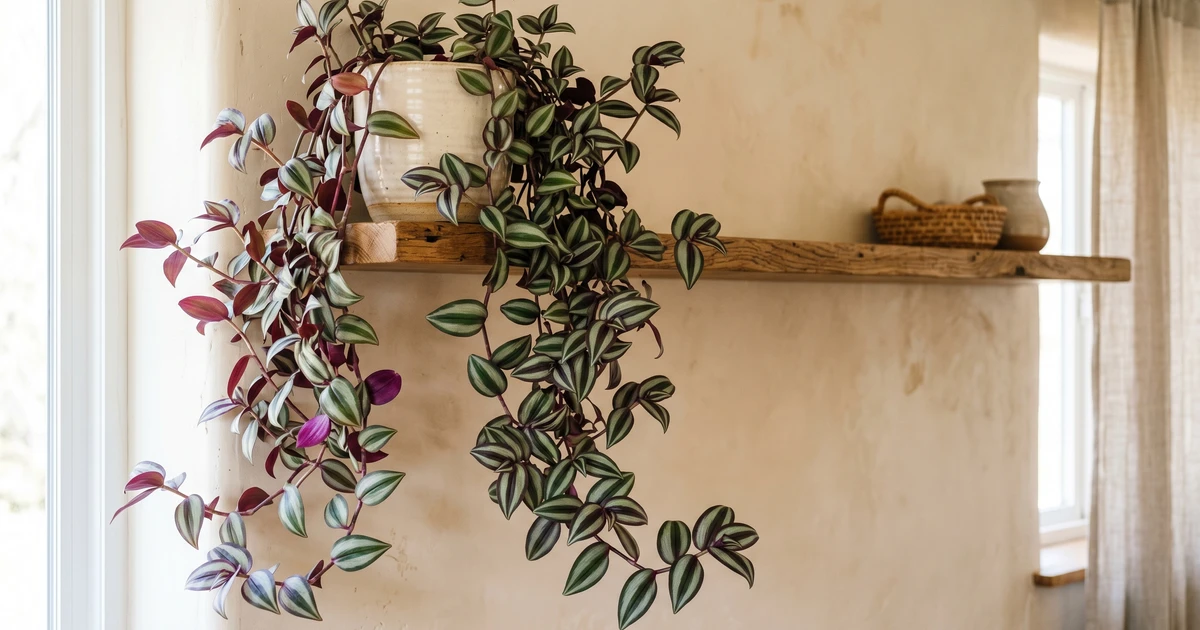
leggy growth from natural rhizomatous habit on Begonia
Quick answer
If your Begonia has leggy growth from natural rhizomatous habit, the most likely cause is: Rhizomatous begonias (e.g., 'Phoe's Cleo', 'Escargot') exhibit natural monopodial growth architecture where horizontal rhizomes produce single leaves at each node rather than branching stems. This creates sparse, leggy appearance that mimics etiolation but is genetically determined. Unlike cane begonias with stacked nodes suitable for pinching, rhizomatous types lack internodes above ground, making standard pruning ineffective for increasing bushiness.
Start here:
- 1. Propagate rhizome cuttings: Cut 2-3 inch rhizome sections with 1-2 leaf buds using sterilized blade
- 2. Root cuttings in water (change weekly) or moist perlite for 2-4 weeks until roots emerge
Why Begonia gets leggy growth from natural rhizomatous habit
Begonia spp.
Rhizomatous begonias (e.g., 'Phoe's Cleo', 'Escargot') exhibit natural monopodial growth architecture where horizontal rhizomes produce single leaves at each node rather than branching stems. This creates sparse, leggy appearance that mimics etiolation but is genetically determined. Unlike cane begonias with stacked nodes suitable for pinching, rhizomatous types lack internodes above ground, making standard pruning ineffective for increasing bushiness.
How to reverse leggy growth from natural rhizomatous habit on Begonia
- 1
Propagate rhizome cuttings: Cut 2-3 inch rhizome sections with 1-2 leaf buds using sterilized blade
- 2
Root cuttings in water (change weekly) or moist perlite for 2-4 weeks until roots emerge
- 3
Plant rooted sections in same pot around mother plant to fill gaps
- 4
Plant main rhizome deeper (1-2 inches below soil surface) to bury leggy stem portions
- 5
Maintain high humidity (70%+) to encourage new shoot development from buried nodes
Keep leggy growth from natural rhizomatous habit off this Begonia
Select cane or fibrous begonia varieties for compact growth indoors. For rhizomatous types, use shallow wide pots (6-8 inches) to promote horizontal rhizome spread rather than vertical growth. Maintain 60-70% humidity to encourage rhizome branching. Expect juvenile plants to appear sparse for first 6-12 months.