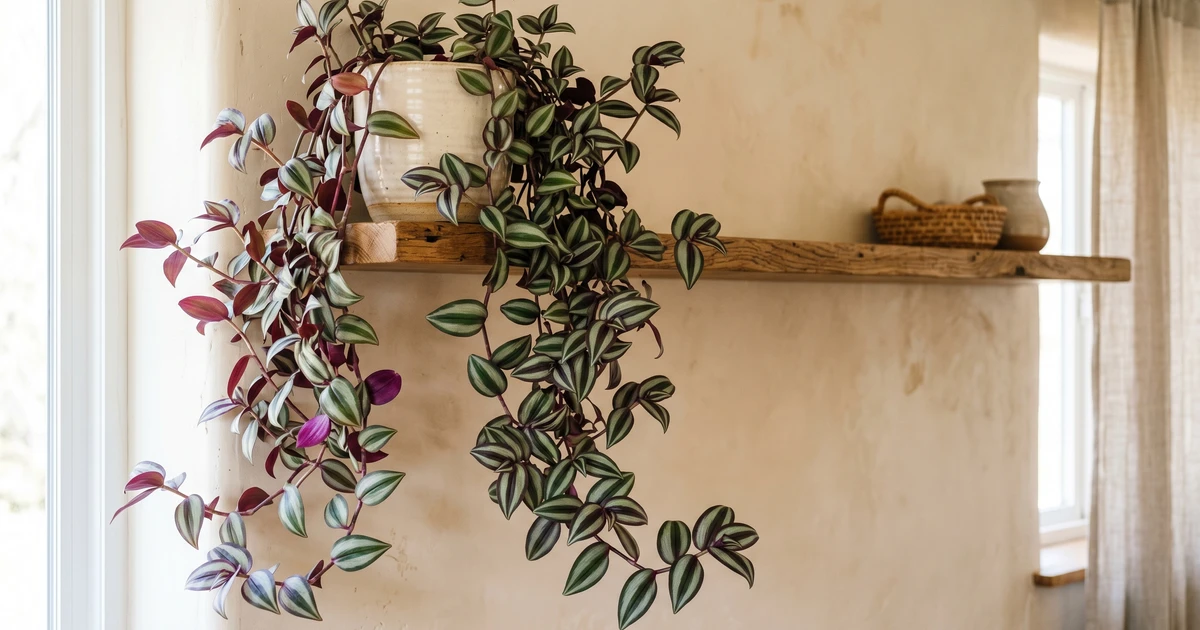
leggy growth on Begonia
Quick answer
If your Begonia has leggy growth, the most likely cause is: Leggy begonia growth stems from insufficient light intensity triggering shade-avoidance behavior mediated by gibberellin hormone signaling, causing elongated internodes as the plant stretches toward light sources. Begonias exhibit rapid etiolation below 1000 lux, with cane and rhizomatous varieties showing distinctive architectural responses to low light conditions.
Start here:
- 1. Increase light exposure: move to brighter location or supplement with LED grow light at 2000-5000 lux, increasing gradually by 20-30% daily to avoid scorch
- 2. Prune leggy stems just above nodes using sterilized blade, cutting at a 45° angle 1/4 inch above an outward-facing node
Why Begonia gets leggy growth
Begonia spp.
Leggy begonia growth stems from insufficient light intensity triggering shade-avoidance behavior mediated by gibberellin hormone signaling, causing elongated internodes as the plant stretches toward light sources. Begonias exhibit rapid etiolation below 1000 lux, with cane and rhizomatous varieties showing distinctive architectural responses to low light conditions.
How to reverse leggy growth on Begonia
- 1
Increase light exposure: move to brighter location or supplement with LED grow light at 2000-5000 lux, increasing gradually by 20-30% daily to avoid scorch
- 2
Prune leggy stems just above nodes using sterilized blade, cutting at a 45° angle 1/4 inch above an outward-facing node
- 3
Pinch or tip-prune the dominant apical meristem to release axillary buds from hormonal suppression, redirecting growth outward instead of upward
- 4
Root pruned cuttings in moist perlite or directly in soil to create fuller plants — multiple cuttings in one pot yields instant fullness
- 5
Maintain 50-70% humidity via pebble tray or humidifier; humidity stress compounds light-related legginess in begonias
- 6
Wait 2-3 weeks for new axillary growth to emerge before additional pruning, as begonias need recovery time between pruning sessions
Keep leggy growth off this Begonia
Maintain bright indirect light at 2000-5000 lux using east-facing windows or full-spectrum grow lights on 12-14 hour timers; rotate plant 90° weekly for even light distribution; monitor with lux meter app to detect drops below 1000 lux before etiolation sets in.