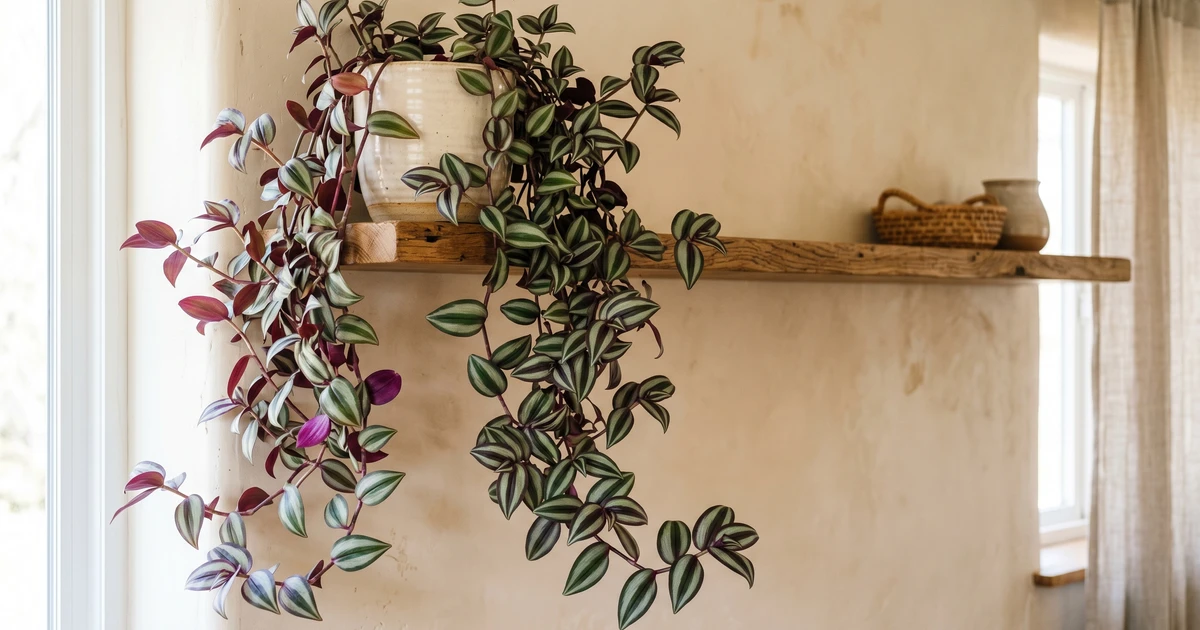
pinching back on Begonia
Quick answer
If your Begonia has pinching back, the most likely cause is: Pinching back begonias removes the shoot tip (apical meristem) where auxin hormone accumulates, redirecting the plant's growth energy from vertical elongation to lateral branching. The removed tip tissue contains the highest concentration of indole-3-acetic acid (IAA), which suppresses neighboring axillary buds. Once the tip is removed, auxin levels drop locally, and buds at the next 2-3 nodes activate simultaneously.
Start here:
- 1. Identify the terminal (topmost) set of small immature leaves on the main growing tip — this is the apical meristem to remove
- 2. Using fingertips or sterilized scissors, pinch or snip off the top 1-2 sets of immature leaves, leaving 2-3 sets of fully expanded adult leaves below
Why Begonia gets pinching back
Begonia spp.
Pinching back begonias removes the shoot tip (apical meristem) where auxin hormone accumulates, redirecting the plant's growth energy from vertical elongation to lateral branching. The removed tip tissue contains the highest concentration of indole-3-acetic acid (IAA), which suppresses neighboring axillary buds. Once the tip is removed, auxin levels drop locally, and buds at the next 2-3 nodes activate simultaneously.
How to reverse pinching back on Begonia
- 1
Identify the terminal (topmost) set of small immature leaves on the main growing tip — this is the apical meristem to remove
- 2
Using fingertips or sterilized scissors, pinch or snip off the top 1-2 sets of immature leaves, leaving 2-3 sets of fully expanded adult leaves below
- 3
After pinching, 2-3 axillary buds typically activate within 7-14 days, each generating a lateral branch that produces more leaves than the single removed tip
- 4
For maximum bushiness, perform a second pinch on each new lateral branch once it develops 3-4 nodes, effectively doubling the branch count each cycle
- 5
Collect pinched tip cuttings and root in moist perlite or water — these root rapidly (1-2 weeks) and can be added back to the same pot for instant fullness
- 6
Avoid pinching during winter dormancy when growth is slow; wait until active growth resumes in spring to maximize recovery speed
Keep pinching back off this Begonia
Pinch begonias when they have 3-4 sets of adult leaves and stand 4-6 inches tall. Perform pinching at the start of the growing season (spring) for maximum recovery and branching response. Maintain consistent aftercare: bright light, 50-70% humidity, and slightly reduced watering for 2 weeks post-pinching.