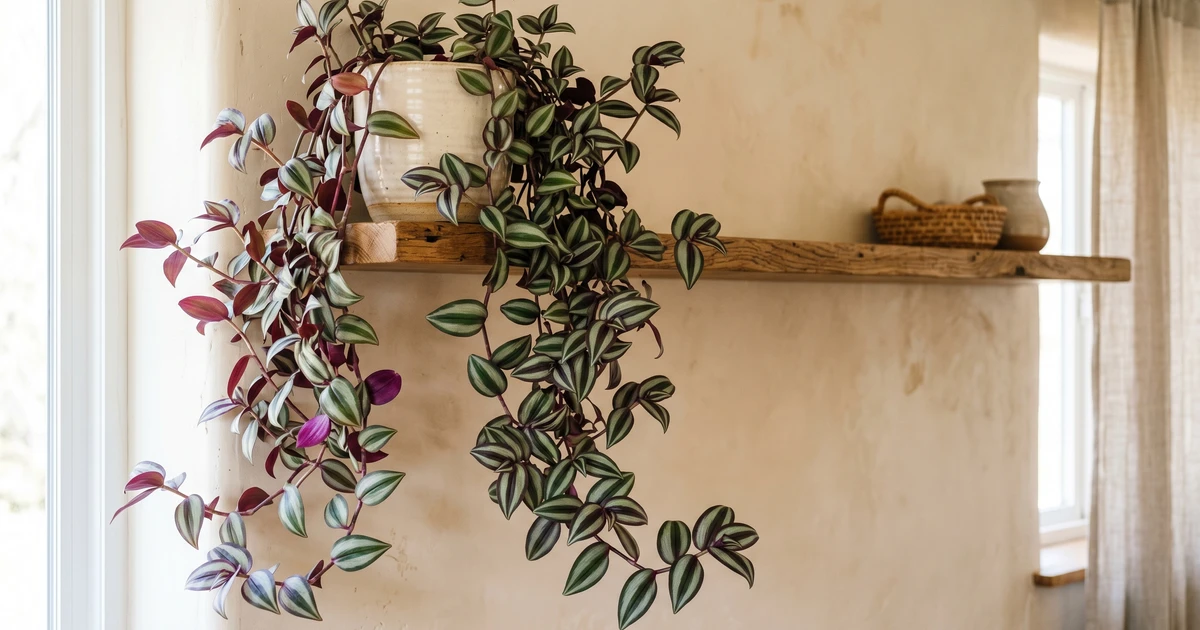
tuberous begonia winter dormancy on Begonia
Quick answer
If your Begonia has tuberous begonia winter dormancy, the most likely cause is: Tuberous begonias are true dormancy plants native to high-altitude tropical regions where they evolved to survive cold/dry winters underground as storage tubers — when daylight decreases and temperatures drop below 55°F in autumn, the plant's ethylene production triggers senescence, yellowing and dieback of all top growth as the above-ground portion enters programmed dormancy. This is fundamentally different from other begonia types which are evergreen or semi-evergreen. If dormancy is not allowed to complete or the tuber is kept too moist during storage, the tuber rots within 4-6 weeks; if it dries out completely it desiccates and dies.
Start here:
- 1. In fall (September): stop watering entirely to initiate dormancy — the plant will yellow and top growth will die back naturally over 2-3 weeks
- 2. Once foliage has completely died back, remove the tuber from soil, brush off excess dirt, and cure at 60°F for 3-5 days to harden the skin
Why Begonia gets tuberous begonia winter dormancy
Begonia spp.
Tuberous begonias are true dormancy plants native to high-altitude tropical regions where they evolved to survive cold/dry winters underground as storage tubers — when daylight decreases and temperatures drop below 55°F in autumn, the plant's ethylene production triggers senescence, yellowing and dieback of all top growth as the above-ground portion enters programmed dormancy. This is fundamentally different from other begonia types which are evergreen or semi-evergreen. If dormancy is not allowed to complete or the tuber is kept too moist during storage, the tuber rots within 4-6 weeks; if it dries out completely it desiccates and dies.
How to reverse tuberous begonia winter dormancy on Begonia
- 1
In fall (September): stop watering entirely to initiate dormancy — the plant will yellow and top growth will die back naturally over 2-3 weeks
- 2
Once foliage has completely died back, remove the tuber from soil, brush off excess dirt, and cure at 60°F for 3-5 days to harden the skin
- 3
Store tuber in a labeled paper bag or shallow box filled with barely-damp peat moss or vermiculite at 45-55°F (refrigerator is ideal)
- 4
Check tubers monthly during storage — if shriveling appears, mist the storage medium lightly; if soft or moldy, discard immediately
- 5
Restart in February-March: plant tuber convex-side-up in fresh potting mix, keep barely moist at 65°F under bright indirect light until sprouts appear
- 6
Water normally once growth is 2-3 inches tall; resume fertilizing once plant is actively growing
Keep tuberous begonia winter dormancy off this Begonia
Induce dormancy naturally in September-October by stopping watering completely and moving the plant to a cool (55-65°F), dark location; never allow tubers to freeze (below 32°F causes irreversible cellular damage) or experience temperatures above 70°F during storage which breaks dormancy prematurely.