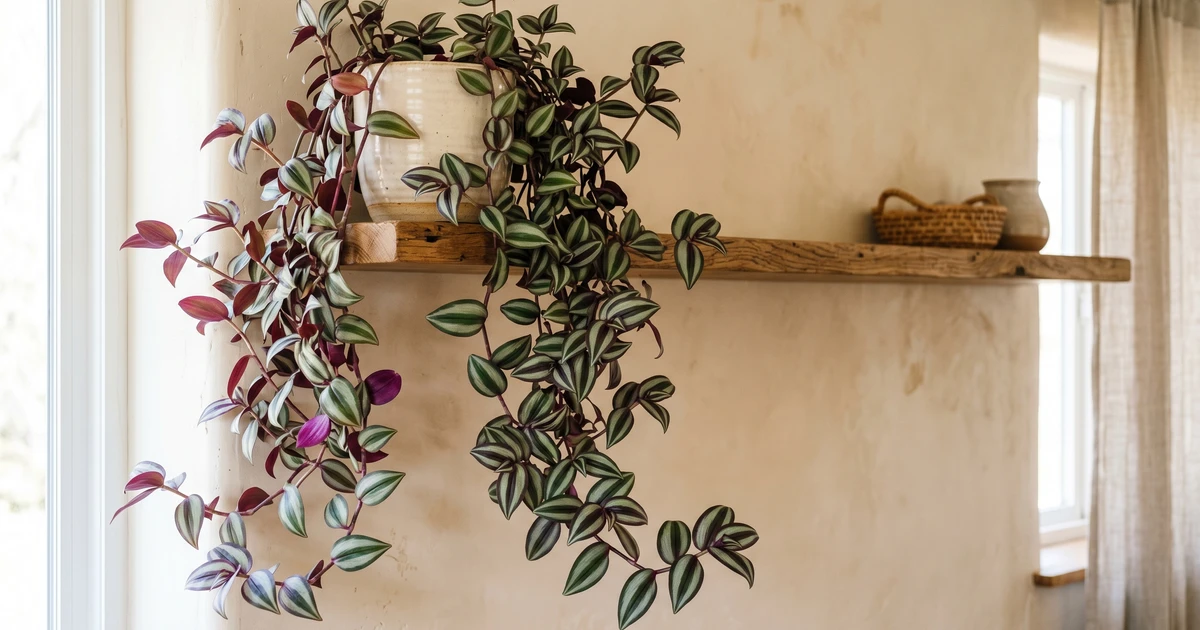
winter dormancy on Echeveria
Quick answer
If your Echeveria has winter dormancy, the most likely cause is: Echeveria species enter winter dormancy when nighttime temperatures drop below 50°F (10°C) and daylight falls below 10 hours, triggering a metabolic shift where the plant's Crassulaceae CAM pathway slows significantly. During true dormancy, Echeveria cease all root activity and water uptake — water in saturated soil remains there for 3-4 weeks, creating the primary rot risk. Most Echeveria sold in nurseries are greenhouse-grown under artificial light and may not have received the dormancy trigger, so they continue growth but at reduced rates.
Start here:
- 1. For outdoor Echeveria in zones 8-9: Stop watering entirely during winter rain season — natural precipitation is usually sufficient for dormant plants.
- 2. For indoor Echeveria: Reduce watering from every 2 weeks to monthly when kept in rooms below 65°F or when the rosette stops producing new leaves.
Why Echeveria gets winter dormancy
Echeveria spp.
Echeveria species enter winter dormancy when nighttime temperatures drop below 50°F (10°C) and daylight falls below 10 hours, triggering a metabolic shift where the plant's Crassulaceae CAM pathway slows significantly. During true dormancy, Echeveria cease all root activity and water uptake — water in saturated soil remains there for 3-4 weeks, creating the primary rot risk. Most Echeveria sold in nurseries are greenhouse-grown under artificial light and may not have received the dormancy trigger, so they continue growth but at reduced rates.
How to reverse winter dormancy on Echeveria
- 1
For outdoor Echeveria in zones 8-9: Stop watering entirely during winter rain season — natural precipitation is usually sufficient for dormant plants.
- 2
For indoor Echeveria: Reduce watering from every 2 weeks to monthly when kept in rooms below 65°F or when the rosette stops producing new leaves.
- 3
If growing under grow lights with 12+ hour photoperiods, Echeveria may not enter true dormancy — in this case, maintain reduced watering every 2-3 weeks but watch for overwatering symptoms.
- 4
Avoid cold windowsills where temps can drop below 40°F — this causes leaf edge necrosis and may trigger permanent damage to the meristem.
- 5
In spring (March-April), increase watering frequency when the plant shows visible new growth at the center of the rosette.
Keep winter dormancy off this Echeveria
Reduce watering to monthly during December-February for Echeveria kept in rooms below 65°F. If the plant continues growing under lights, maintain every 2-3 week watering but watch for signs of overwatering (mushy lower leaves).