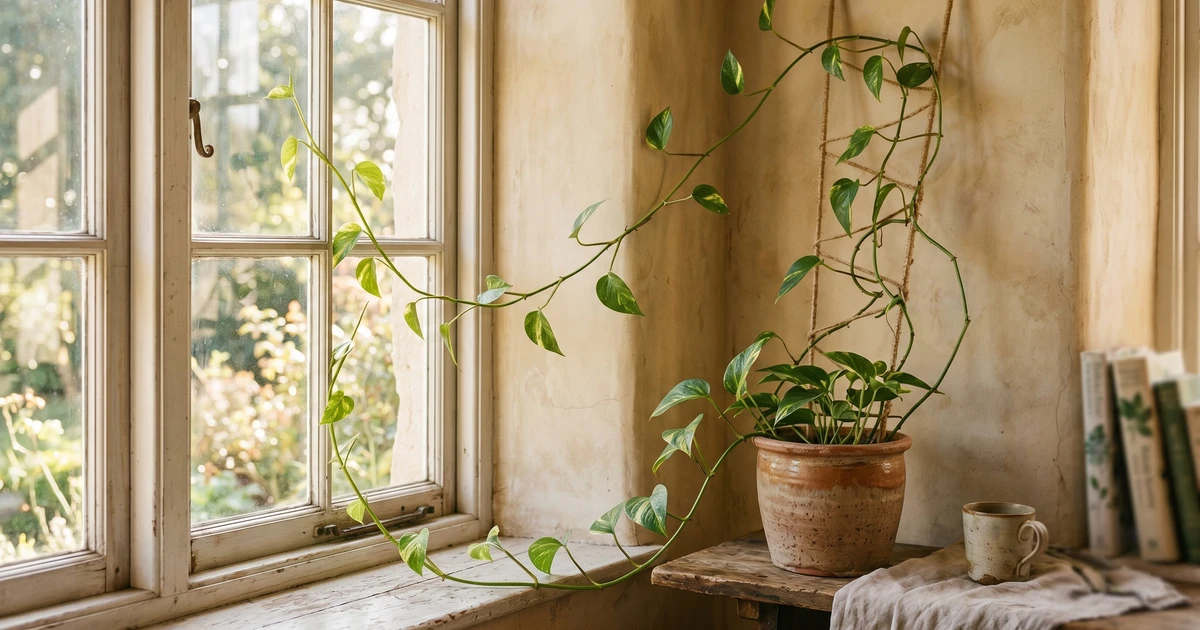
etiolation on Jade Plant
Quick answer
If your Jade Plant has etiolation, the most likely cause is: Etiolation in jade plants is a phototropism response to insufficient light intensity (below 500-1000 lux). The plant stretches internodes and grows leggy, reaching toward light sources while producing smaller, weaker leaves. This is a survival mechanism that prioritizes light capture over structural integrity. Extended etiolation weakens the plant's ability to support its own weight and makes it susceptible to sunburn when eventually exposed to proper light.
Start here:
- 1. Relocate to brighter location immediately - east or west-facing window with sheer curtain
- 2. Prune leggy stems back to compact nodes to encourage bushy regrowth
Why Jade Plant gets etiolation
Crassula ovata
Etiolation in jade plants is a phototropism response to insufficient light intensity (below 500-1000 lux). The plant stretches internodes and grows leggy, reaching toward light sources while producing smaller, weaker leaves. This is a survival mechanism that prioritizes light capture over structural integrity. Extended etiolation weakens the plant's ability to support its own weight and makes it susceptible to sunburn when eventually exposed to proper light.
How to reverse etiolation on Jade Plant
- 1
Relocate to brighter location immediately - east or west-facing window with sheer curtain
- 2
Prune leggy stems back to compact nodes to encourage bushy regrowth
- 3
Propagate pruned sections as cuttings to restart compact plants
- 4
Install grow lights providing 12-16 hours of light at 2000+ lux
- 5
Stake or support severely drooping branches until new root establishment
Keep etiolation off this Jade Plant
Provide 4-6 hours of bright indirect light daily (south or west-facing window). Use full-spectrum grow lights (2000-5000 lux) positioned 6-12 inches above the plant if natural light is inadequate. Rotate the plant weekly to ensure even growth and prevent one-sided stretching.