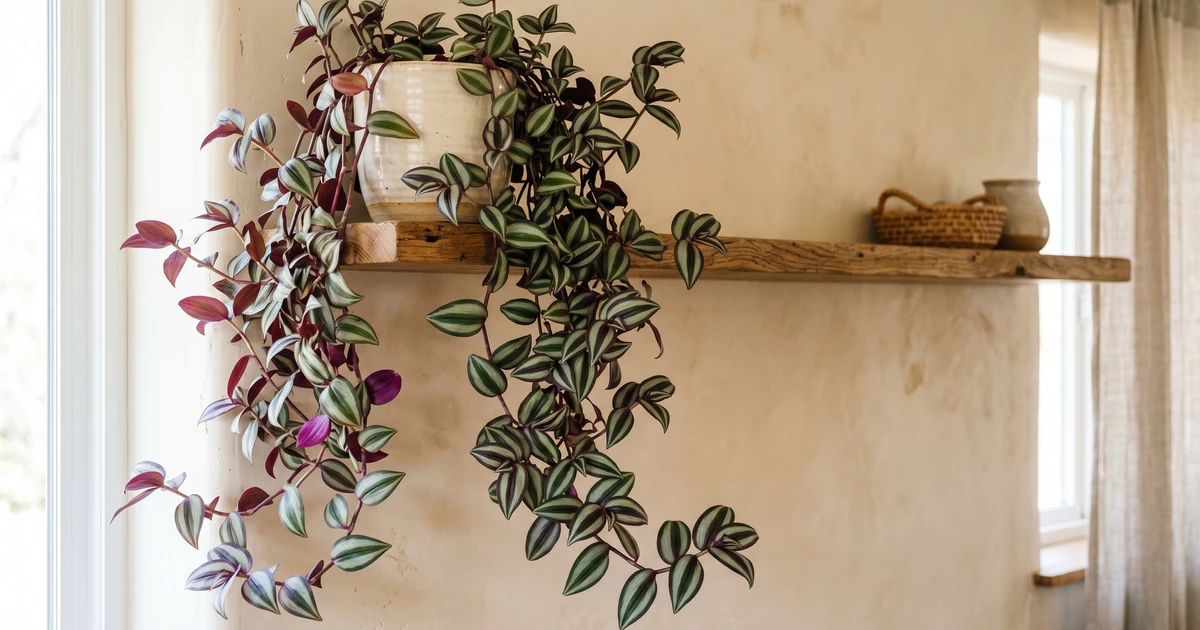
fertilizer on Peperomia
Quick answer
If your Peperomia has fertilizer, the most likely cause is: Peperomias are light feeders adapted to nutrient-poor epiphytic environments. Over-fertilization causes more harm than under-fertilization, leading to salt buildup, root burn, and leggy weak growth. Yellowing leaves, particularly older ones, often indicate nitrogen deficiency in unfertilized plants, especially after a year or more in the same soil. However, Peperomias' growth slows significantly in fall and winter due to shorter days and lower light, reducing their nutrient needs. Applying fertilizer during dormant periods risks nutrient toxicity and salt accumulation that manifests as brown leaf tips and margins.
Start here:
- 1. Fertilize only during active growth: spring through summer when new growth is visible
- 2. Use balanced liquid fertilizer (20-20-20 or similar) at 1/4 to 1/2 strength every 4-6 weeks
Why Peperomia gets fertilizer
Peperomia spp.
Peperomias are light feeders adapted to nutrient-poor epiphytic environments. Over-fertilization causes more harm than under-fertilization, leading to salt buildup, root burn, and leggy weak growth. Yellowing leaves, particularly older ones, often indicate nitrogen deficiency in unfertilized plants, especially after a year or more in the same soil. However, Peperomias' growth slows significantly in fall and winter due to shorter days and lower light, reducing their nutrient needs. Applying fertilizer during dormant periods risks nutrient toxicity and salt accumulation that manifests as brown leaf tips and margins.
How to reverse fertilizer on Peperomia
- 1
Fertilize only during active growth: spring through summer when new growth is visible
- 2
Use balanced liquid fertilizer (20-20-20 or similar) at 1/4 to 1/2 strength every 4-6 weeks
- 3
For stressed or repotted plants: apply diluted stress tonic like Fox Farm Bushdoctor Boomerang or SUPERthrive
- 4
Flush soil every 2-3 months: run plain water through pot for 2-3 minutes to remove salt buildup
- 5
Monitor for deficiency signs: older leaf yellowing indicates nitrogen deficiency; address with gentle feeding
- 6
Reduce or eliminate fertilizer in fall and winter: plants enter semi-dormancy with reduced nutrient needs
- 7
If leaf burn occurs: flush soil thoroughly, reduce fertilizer strength, and remove damaged leaves
Keep fertilizer off this Peperomia
Use light, infrequent feeding—Peperomias thrive on neglect. Flush soil regularly to prevent salt buildup. Match fertilization to growing season only. When in doubt, skip feeding rather than risk over-fertilization.