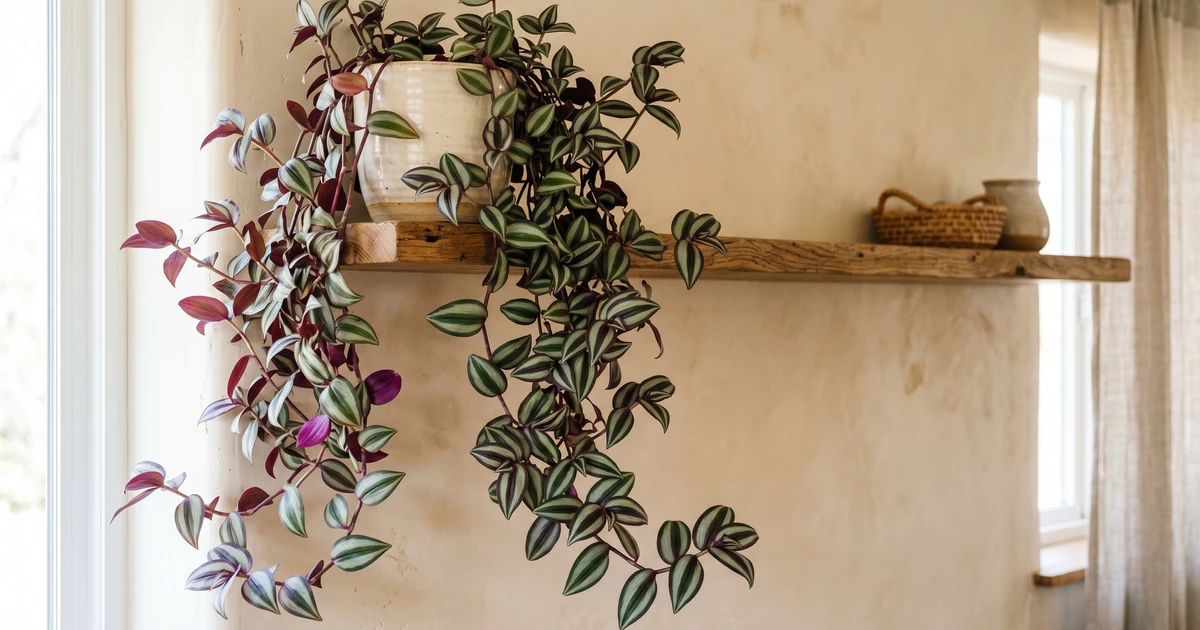
loss of variegation on Peperomia
Quick answer
If your Peperomia has loss of variegation, the most likely cause is: Peperomia loss of variegation results from insufficient light intensity causing chlorophyll to dominate over the carotenoid and anthocyanin pigments that create the variegated patterns. Peperomia varieties like Peperomia obtusifolia 'Marble' and 'Ruby' require bright indirect light (2000-5000 lux) to maintain pigment expression — in low light conditions, the plant prioritizes chlorophyll production for photosynthesis, suppressing the decorative pigments that create variegation.
Start here:
- 1. Move plant to brighter location with consistent bright indirect light (2000-5000 lux)
- 2. Rotate plant 90° weekly to ensure all sides receive equal light exposure
Why Peperomia gets loss of variegation
Peperomia spp.
Peperomia loss of variegation results from insufficient light intensity causing chlorophyll to dominate over the carotenoid and anthocyanin pigments that create the variegated patterns. Peperomia varieties like Peperomia obtusifolia 'Marble' and 'Ruby' require bright indirect light (2000-5000 lux) to maintain pigment expression — in low light conditions, the plant prioritizes chlorophyll production for photosynthesis, suppressing the decorative pigments that create variegation.
How to reverse loss of variegation on Peperomia
- 1
Move plant to brighter location with consistent bright indirect light (2000-5000 lux)
- 2
Rotate plant 90° weekly to ensure all sides receive equal light exposure
- 3
If using grow lights, position 12-18 inches above plant on 12-hour timer
- 4
Gradually increase light exposure over 2 weeks to avoid photoinhibition
- 5
New growth should show improved variegation within 4-6 weeks if light is the cause
- 6
If variegation does not return, the damage may be permanent on affected leaves but new leaves can recover with proper light
Keep loss of variegation off this Peperomia
Provide bright indirect light (2000-5000 lux); east or north-facing windows are ideal; rotate plant weekly for even light distribution; supplement with grow lights if natural light is insufficient.