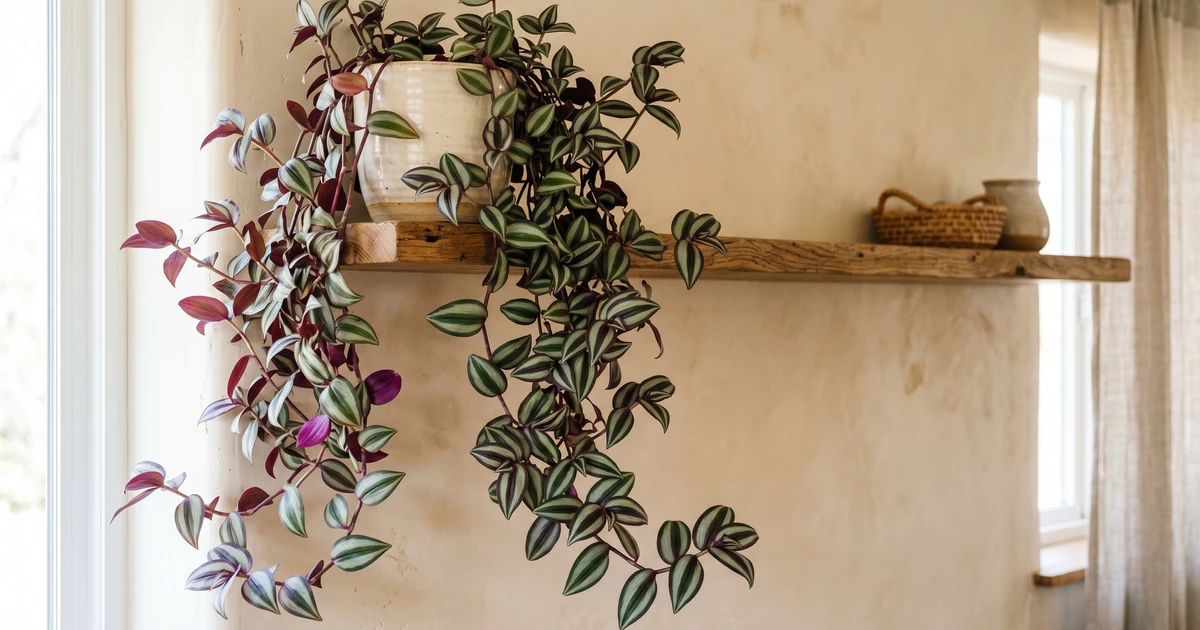
slow growth on Peperomia
Quick answer
If your Peperomia has slow growth, the most likely cause is: Peperomia slow growth or stunted development results from insufficient light intensity triggering shade avoidance response. While Peperomias tolerate low light, they require 2000-5000 lux (bright indirect) for active growth and leaf expansion. Suboptimal light (<1000 lux) causes etiolation—elongated stems with small, pale leaves—as the plant prioritizes reaching light over leaf development. Rootbound conditions in compact nursery pots also restrict nutrient uptake and growth. Low humidity (<40%) further reduces metabolic activity and growth rates.
Start here:
- 1. Measure light with phone app or meter—target minimum 2000 lux for growth
- 2. Relocate to brighter position: east window with sheer curtain, or 12-18 inches under full-spectrum LED grow light
Why Peperomia gets slow growth
Peperomia spp.
Peperomia slow growth or stunted development results from insufficient light intensity triggering shade avoidance response. While Peperomias tolerate low light, they require 2000-5000 lux (bright indirect) for active growth and leaf expansion. Suboptimal light (<1000 lux) causes etiolation—elongated stems with small, pale leaves—as the plant prioritizes reaching light over leaf development. Rootbound conditions in compact nursery pots also restrict nutrient uptake and growth. Low humidity (<40%) further reduces metabolic activity and growth rates.
How to reverse slow growth on Peperomia
- 1
Measure light with phone app or meter—target minimum 2000 lux for growth
- 2
Relocate to brighter position: east window with sheer curtain, or 12-18 inches under full-spectrum LED grow light
- 3
Inspect root system—if circling pot edges, repot in fresh mix 1 size larger
- 4
Increase humidity to 60%+ using humidifier to accelerate metabolic activity
- 5
Apply balanced fertilizer at 1/4 strength every 2 weeks during spring/summer growing season
- 6
Rotate plant weekly for even light exposure and symmetrical growth
- 7
Expect visible growth response within 2-4 weeks of light improvement
Keep slow growth off this Peperomia
Position in bright indirect light measuring 2000-4000 lux (east/west windows or grow lights 12-14 hrs/day). Repot annually when roots fill 80% of container—use pot only 1-2 inches larger than root ball. Maintain 50-70% humidity with pebble trays or humidifiers. Fertilize monthly during growing season with diluted balanced fertilizer (half-strength) to support growth without burn.