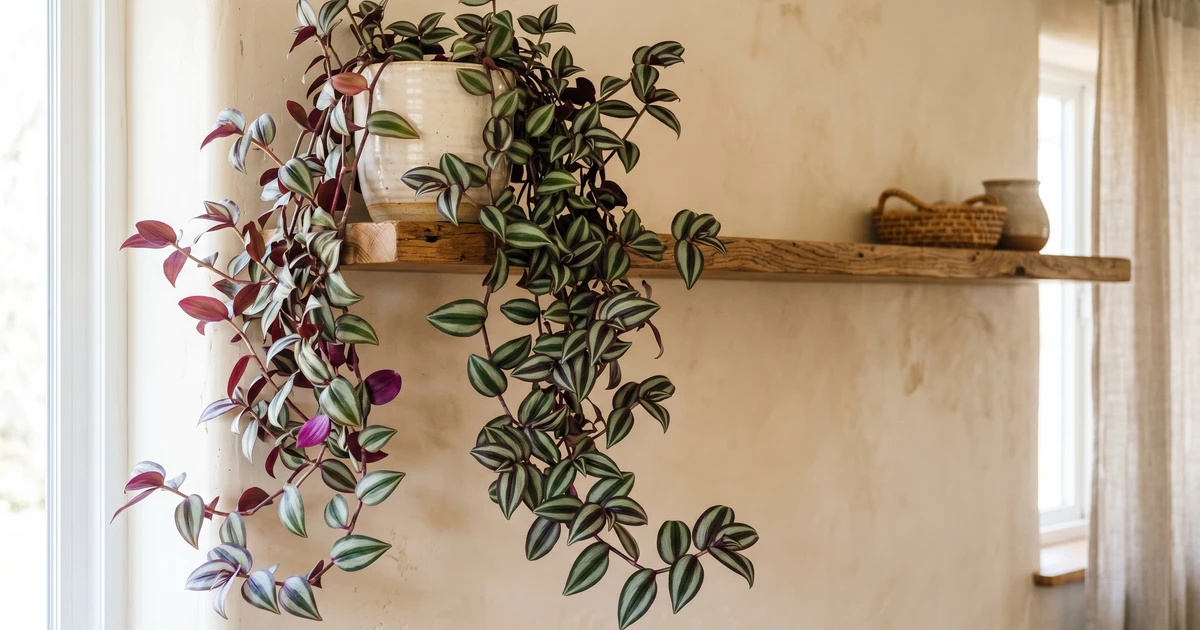
yellow leaves from transplant shock on Philodendron Gloriosum
Quick answer
If your Philodendron Gloriosum has yellow leaves from transplant shock, the most likely cause is: Philodendron gloriosum develops yellow leaves after relocation or repotting due to transplant shock affecting its rhizomatous growth habit. Unlike vining philodendrons, gloriosum creeps horizontally via underground rhizomes and prioritizes new growth over old leaf maintenance during stress. Yellowing typically affects the oldest leaves first while new growth (cataphyll/growth tip) remains healthy - a key diagnostic differentiator from root rot where new growth also shows distress.
Start here:
- 1. Inspect growth tip condition: healthy tips appear smooth and firm; curling, mushy, or puckered tips indicate root rot requiring immediate intervention
- 2. If growth tip is healthy: Allow yellow leaves to fully senesce (dry) before removing - plant is reallocating nutrients
Why Philodendron Gloriosum gets yellow leaves from transplant shock
Philodendron gloriosum
Philodendron gloriosum develops yellow leaves after relocation or repotting due to transplant shock affecting its rhizomatous growth habit. Unlike vining philodendrons, gloriosum creeps horizontally via underground rhizomes and prioritizes new growth over old leaf maintenance during stress. Yellowing typically affects the oldest leaves first while new growth (cataphyll/growth tip) remains healthy - a key diagnostic differentiator from root rot where new growth also shows distress.
How to reverse yellow leaves from transplant shock on Philodendron Gloriosum
- 1
Inspect growth tip condition: healthy tips appear smooth and firm; curling, mushy, or puckered tips indicate root rot requiring immediate intervention
- 2
If growth tip is healthy: Allow yellow leaves to fully senesce (dry) before removing - plant is reallocating nutrients
- 3
Maintain consistent 70-90% humidity via pebble tray, humidifier, or grouping with other plants
- 4
Provide bright indirect light (1500-3000 lux) and avoid direct sun which exacerbates stress
- 5
Repot only if roots are severely compacted; use well-draining aroid mix with 40% bark/perlite
Keep yellow leaves from transplant shock off this Philodendron Gloriosum
Acclimate new plants gradually over 2 weeks by maintaining nursery-level humidity (80%+) initially; avoid repotting for 6-8 weeks post-purchase; position in stable microclimate away from drafts; monitor growth tip weekly as primary health indicator for rhizomatous aroids.