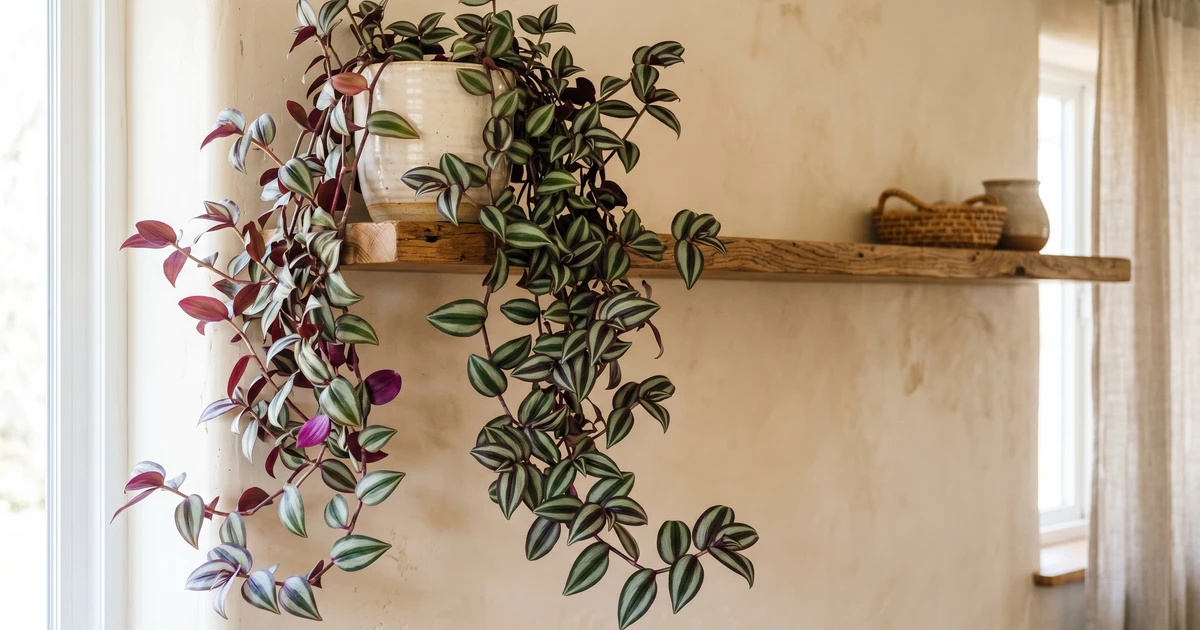
curling leaves on Philodendron
Quick answer
If your Philodendron has curling leaves, the most likely cause is: Curling leaves in Philodendron indicate water stress or environmental factors: (1) Underwatering/low humidity causes leaves to curl inward to reduce surface area and conserve moisture, (2) Water-to-soil transplant shock causes temporary curling as water-adapted roots adjust to soil conditions, (3) Rootbound conditions limit water uptake causing chronic curling, (4) Cold water shock from watering with water below 60°F causes leaf cells to contract, and (5) Pest damage from thrips or mites causes irregular curling with accompanying stippling or webbing.
Start here:
- 1. 1. Check soil moisture: if dry, water thoroughly and increase humidity
- 2. 2. If recently moved from water to soil: keep soil consistently moist (not soggy) for 2-3 weeks
Why Philodendron gets curling leaves
Philodendron spp.
Curling leaves in Philodendron indicate water stress or environmental factors: (1) Underwatering/low humidity causes leaves to curl inward to reduce surface area and conserve moisture, (2) Water-to-soil transplant shock causes temporary curling as water-adapted roots adjust to soil conditions, (3) Rootbound conditions limit water uptake causing chronic curling, (4) Cold water shock from watering with water below 60°F causes leaf cells to contract, and (5) Pest damage from thrips or mites causes irregular curling with accompanying stippling or webbing.
How to reverse curling leaves on Philodendron
- 1
1. Check soil moisture: if dry, water thoroughly and increase humidity
- 2
2. If recently moved from water to soil: keep soil consistently moist (not soggy) for 2-3 weeks
- 3
3. If rootbound: repot into slightly larger container with fresh mix
- 4
4. If using cold water: allow water to reach room temperature before applying
- 5
5. If pests suspected: inspect undersides and treat with appropriate insecticide
- 6
6. Increase ambient humidity to 70-80% using humidifier or pebble tray
- 7
7. Be patient—transplant-related curling resolves in 1-2 weeks with proper care
Keep curling leaves off this Philodendron
Maintain consistent watering allowing top 2 inches to dry between waterings. Keep humidity at 60-80%. Use room temperature water (65-75°F). Repot before plants become severely rootbound. Inspect regularly for pests. Acclimate water-propagated cuttings gradually to soil conditions.
Other Philodendron problems
Same Problem on Other Plants
Go Deeper
This is covered in-depth in the philodendron Mastery Pack — structured modules with video walkthroughs, advanced protocols, and rescue timelines.
Get the Mastery Pack — $37 →