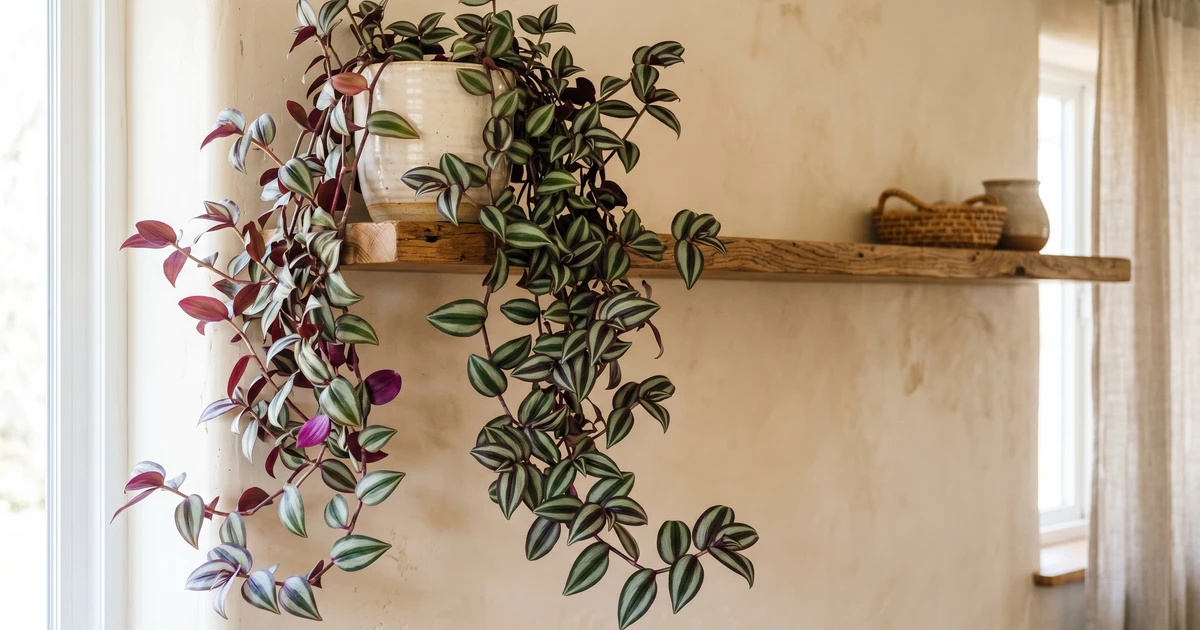
variegated care on Philodendron
Quick answer
If your Philodendron has variegated care, the most likely cause is: Variegated Philodendron varieties (White Princess, Pink Princess, Ring of Fire) exhibit heightened sensitivity to environmental conditions due to reduced chlorophyll content in white/cream sectors. Lower photosynthetic capacity means slower growth, reduced transpiration rates, and greater susceptibility to root rot from moisture retention. These plants require brighter light than green varieties to compensate for lower chlorophyll, but direct sun can burn pale sections lacking protective pigments. Stress triggers include: insufficient light, overpotting, aggressive root disturbance during repotting, and low humidity.
Start here:
- 1. 1. Increase light exposure gradually to 3000-5000 lux bright indirect light
- 2. 2. Avoid repotting disturbance: slide root ball intact into new pot without rinsing roots
Why Philodendron gets variegated care
Philodendron spp.
Variegated Philodendron varieties (White Princess, Pink Princess, Ring of Fire) exhibit heightened sensitivity to environmental conditions due to reduced chlorophyll content in white/cream sectors. Lower photosynthetic capacity means slower growth, reduced transpiration rates, and greater susceptibility to root rot from moisture retention. These plants require brighter light than green varieties to compensate for lower chlorophyll, but direct sun can burn pale sections lacking protective pigments. Stress triggers include: insufficient light, overpotting, aggressive root disturbance during repotting, and low humidity.
How to reverse variegated care on Philodendron
- 1
1. Increase light exposure gradually to 3000-5000 lux bright indirect light
- 2
2. Avoid repotting disturbance: slide root ball intact into new pot without rinsing roots
- 3
3. Use chunky, well-draining aroid mix with 50% amendments (perlite, bark, pumice)
- 4
4. Monitor soil moisture closely—variegated plants dry out slower; use moisture meter
- 5
5. Propagate stem cuttings with stable variegation as backup in case of reversion or decline
Keep variegated care off this Philodendron
Provide bright indirect light at 3000-5000 lux (higher than green varieties). Use appropriately sized pots only 1 inch larger than root ball. Handle roots minimally during repotting—avoid rinsing or untangling unless decay is present. Maintain 65-80% humidity with good airflow. Water only when top 2 inches are dry, extending dry periods in winter.
Other Philodendron problems
Same Problem on Other Plants
Go Deeper
This is covered in-depth in the philodendron Mastery Pack — structured modules with video walkthroughs, advanced protocols, and rescue timelines.
Get the Mastery Pack — $37 →