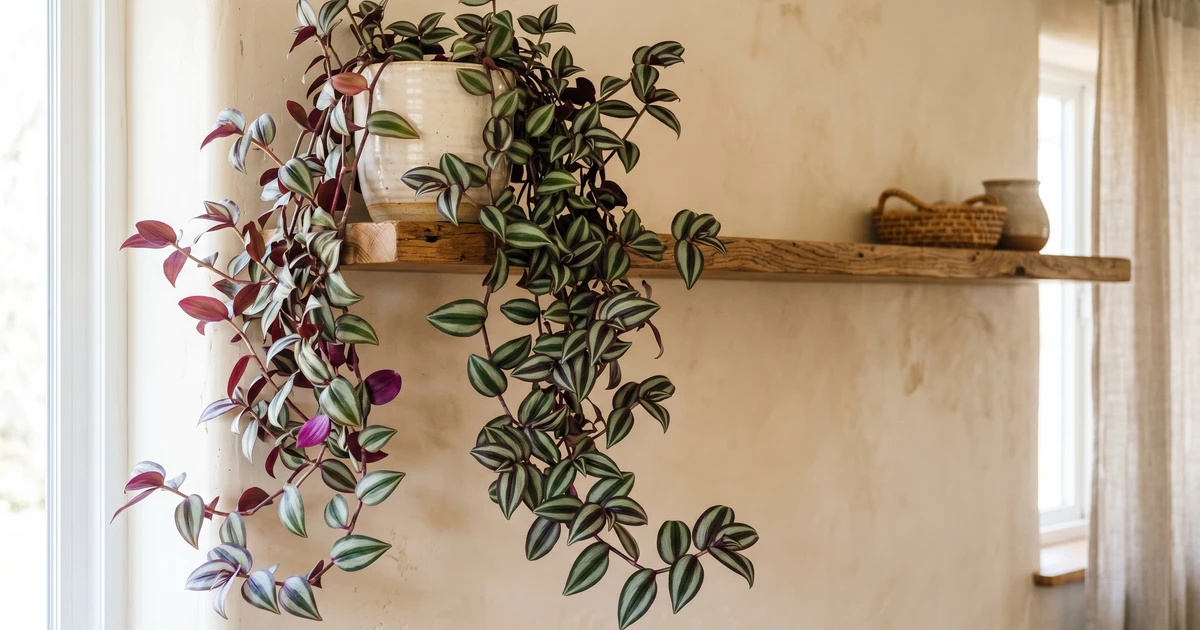
light acclimation variegation stress on Pink Princess Philodendron
Quick answer
If your Pink Princess Philodendron has light acclimation variegation stress, the most likely cause is: Pink Princess Philodendron exhibits unstable chimeral variegation where pink sectors contain reduced chlorophyll (20-40% of green tissue levels). During environmental transitions—particularly when moving from low light nursery conditions to brighter home environments or vice versa—the plant undergoes photoacclimation stress. Sudden increases in light intensity (beyond 3000 lux) cause photooxidative damage to pink tissue which lacks sufficient chlorophyll for photoprotection, resulting in bleaching, browning, or complete sector loss. Conversely, insufficient light (<800 lux) triggers reversion as the plant prioritizes chlorophyll production for survival, causing pink sectors to revert to green.
Start here:
- 1. Assess current light levels using phone light meter app or dedicated lux meter before positioning plant
- 2. Gradual transition protocol: Increase light by maximum 500 lux every 3-4 days over 2-3 week period
Why Pink Princess Philodendron gets light acclimation variegation stress
Philodendron erubescens 'Pink Princess'
Pink Princess Philodendron exhibits unstable chimeral variegation where pink sectors contain reduced chlorophyll (20-40% of green tissue levels). During environmental transitions—particularly when moving from low light nursery conditions to brighter home environments or vice versa—the plant undergoes photoacclimation stress. Sudden increases in light intensity (beyond 3000 lux) cause photooxidative damage to pink tissue which lacks sufficient chlorophyll for photoprotection, resulting in bleaching, browning, or complete sector loss. Conversely, insufficient light (<800 lux) triggers reversion as the plant prioritizes chlorophyll production for survival, causing pink sectors to revert to green.
How to reverse light acclimation variegation stress on Pink Princess Philodendron
- 1
Assess current light levels using phone light meter app or dedicated lux meter before positioning plant
- 2
Gradual transition protocol: Increase light by maximum 500 lux every 3-4 days over 2-3 week period
- 3
Monitor pink sectors daily during acclimation—immediate browning indicates excessive light; washout toward green indicates insufficient light
- 4
Install sheer white curtain or apply UV-filtering window film to reduce intensity by 30-40%
- 5
For grow light transitions: Start at 18-24 inches distance, move 3 inches closer every 5-7 days while monitoring tissue color
- 6
If sector browning occurs: Reduce light immediately, increase humidity to 60-70% to support stressed tissue recovery
Keep light acclimation variegation stress off this Pink Princess Philodendron
Implement graduated light acclimation over 14-21 days when transitioning plants between environments; maintain consistent 1500-2500 lux for established specimens; use sheer curtains or UV-filtering film on south/west windows; position variegated specimens 4-6 feet from high-intensity grow lights; avoid multiple environmental stressors simultaneously (light + humidity + temperature changes).
Other Pink Princess Philodendron problems
Go Deeper
This is covered in-depth in the pink princess philodendron Mastery Pack — structured modules with video walkthroughs, advanced protocols, and rescue timelines.
Get the Mastery Pack — $37 →