
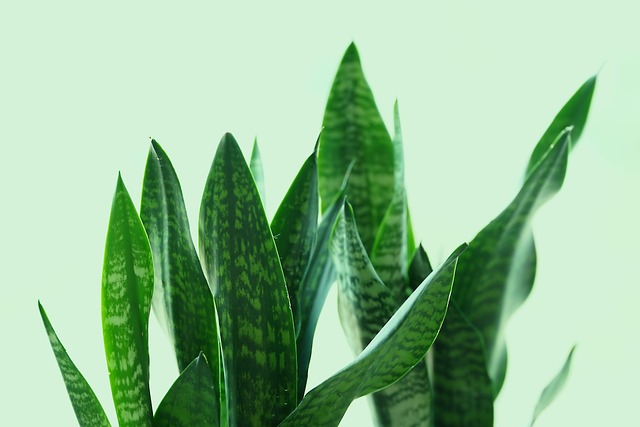
snake plant
Dracaena trifasciata
Also known as: Mother-in-Law's Tongue
Excellent air purifier that releases oxygen at night.
Care Essentials
Get to Know Your Snake Plant
Excellent air purifier that releases oxygen at night.
Light
low to direct
Extremely tolerant of low light but prefers bright indirect.
💡 Grow lights: Does well under standard indoor lighting and grow lights. One of the easiest plants for rooms without natural light.
Watering
every 2-4 weeks
Water every 2-4 weeks. Look for: wrinkled leaves. soil must be completely dry.
Humidity & Temperature
Tolerates 20-50% humidity — not fussy about moisture in the air. Standard home conditions are fine.
Comfortable between 55-85°F. Keep away from cold drafts and heating vents.
Soil
Cactus or succulent mix.
Care Requirements
At a Glance
low to direct
Extremely tolerant of low light but prefers bright indirect.
Water every 2-4 weeks
Wrinkled leaves. Soil must be completely dry.
20-50% Humidity
Ideal temperature: 55-85F
Cactus or succulent mix.
Growth rate: slow
The #1 Mistake
Watering issues account for 24% of Snake Plant problems in our database (19 of 79 documented cases). Most failures trace back to watering on a schedule rather than checking soil moisture.
Go Deeper
Snake Plant Matrix Pack
The complete protocol: advanced care, seasonal calendars, and rescue modules. Everything on this page, plus video walkthroughs.
Start Here
Most Common Problems
Based on 79 analyzed cases — these are the issues you're most likely to encounter
Don't see your symptom? Search all 58 topics below, or run the Diagnostic.
Is my Snake Plant overwatered?
Sansevieria trifasciata possesses nephroprotective compounds that scavenge free...
Why does my Snake Plant have root rot?
Sansevieria trifasciata leaf extracts demonstrate significant antimicrobial...
Why does my Snake Plant have mealybugs?
Root mealybugs (Pseudococcidae family) are cryptic soil-dwelling pests that...
How do I propagate my Snake Plant?
Snake plants reproduce via leaf cuttings containing meristematic tissue capable...
Snake Plant: Leaf Spots
Dracaena leaf spots result from infection by multiple fungal pathogens...
Which of the 7 Killers
is threatening your plants?
We analyzed 1,616 documented plant deaths to identify the 7 causes behind 78% of all losses. Answer 5 questions — we'll tell you exactly which ones apply to your setup.
Skip the quiz — get The 7 Killers course ($19) →Question 1 of 5
How do you decide when to water your plants?
Question 2 of 5
Where do most of your plants live?
Question 3 of 5
What's your home environment like?
Question 4 of 5
Have you lost a plant in the last 6 months?
Question 5 of 5
How often do you check your plants for pests?
Your diagnosis is ready
We've identified your top 2 risk killers. Enter your email to see the full breakdown and your personalized rescue protocol.
Your plants are most at risk from:

The 7 Killers mini-course covers every one of these in depth — mechanism, rescue protocol, prevention. 1,616 cases. 7 lessons. $19.
Get The 7 Killers — $19 →Get the Plant Mortality Checklist
The 7 killers behind 78% of houseplant deaths — and the exact fix for each. Free PDF based on 1,616 documented cases.
Your checklist is ready!
We also sent it to your inbox. Check your email for the full download.
Open the ChecklistFree. No spam. Unsubscribe anytime.
Verified Data
All Diagnoses
58 topics consolidated from 79 documented cases. Expand any topic to see all protocols.
Symptoms (5 topics · 10 cases)
What are these brown spots on my Snake Plant?
Snake plants adapted to shaded forest understories possess limited photoprotective mechanisms against intense direct sunlight
2 protocols
87–91%
What are these brown spots on my Snake Plant?
Snake plants adapted to shaded forest understories possess limited photoprotective mechanisms against intense direct sunlight
Protocol 1: brown spots · 91% confidence
Cause
Snake plants adapted to shaded forest understories possess limited photoprotective mechanisms against intense direct sunlight. When moved from low light to direct sun without acclimation, leaf cells experience photooxidative damage. Chlorophyll breakdown and cell membrane rupture create irregular brown spots, often starting at leaf edges where light exposure is most intense. Unlike fungal spots (which spread), sunburn damage is static and corresponds exactly to light exposure patterns.
Solutions
- Move plant immediately to bright indirect light location
- If gradual acclimation is needed: start with 1 hour direct sun, increase by 1 hour daily over 10-14 days
- Trim affected leaf sections with sterile scissors for aesthetics
- Rotate plant weekly to ensure even light distribution during recovery
- Consider sheer curtains for south/west windows to diffuse intense afternoon sun
Prevention
Always acclimate to new light conditions gradually over 7-14 days. Position 3-6 feet from south/west windows or use east-facing windows for gentle morning light. Monitor leaf temperature—if leaves feel warm to touch, light is too intense.
Protocol 2: brown spots · 87% confidence
Cause
Brown spots have several causes: (1) Sunburn - sudden exposure to direct sun causes bleached or brown patches, often after moving plant outdoors; (2) Physical damage - mechanical injury from moving, pets, or impacts; (3) Fungal/bacterial infection - soft, spreading brown spots in humid conditions; (4) Cold damage - brown, mushy spots after cold exposure; (5) Natural scarring - old damage that has healed. Location and texture of spots help diagnose.
Solutions
- For SUNBURN: Move to indirect light, damaged spots won't heal but plant will survive
- For PHYSICAL DAMAGE: Trim damaged area or leave as-is if cosmetic only
- For INFECTION: Cut off affected leaves 3 inches below spot, apply cinnamon to cut, isolate plant
- For COLD DAMAGE: Trim mushy areas, warm the plant, watch for recovery from rhizomes
- For cosmetic spots: Can trim to a point with sterile shears for aesthetics
- If spots spread rapidly or smell bad, remove entire leaf to prevent spread
Prevention
Acclimate to outdoor sun gradually (1 hour day 1, increasing daily). Avoid high humidity. Handle carefully during moves. Keep above 50°F. Use well-draining soil to prevent fungal issues.
Why do my Snake Plant leaves have brown tips?
Brown tips commonly result from fluoride/chlorine toxicity in tap water, salt/mineral buildup from fertilizers, inconsistent watering (both under and over), low humidity (<30%), or sunburn from sudden environmental changes
2 protocols
88–88%
Why do my Snake Plant leaves have brown tips?
Brown tips commonly result from fluoride/chlorine toxicity in tap water, salt/mineral buildup from fertilizers, inconsistent watering (both under and over), low humidity (<30%), or sunburn from sudden environmental changes
Protocol 1: brown tips · 88% confidence
Cause
Brown tips commonly result from fluoride/chlorine toxicity in tap water, salt/mineral buildup from fertilizers, inconsistent watering (both under and over), low humidity (<30%), or sunburn from sudden environmental changes. Older leaves naturally develop tip dieback as part of aging. Unlike root rot, brown tips are primarily cosmetic and don't threaten plant survival.
Solutions
- Identify cause: check if tips are crispy dry (water quality/humidity) or soft black (overwatering/rot)
- For cosmetic brown tips: leave until fully dry (they naturally detach) or trim with sterile scissors at an angle to match natural leaf shape
- Switch to filtered, distilled, or rainwater; let tap water sit 24-48 hours before using
- Water deeply but infrequently based on soil dryness, not calendar (every 2-4 weeks)
- Increase ambient humidity to 40-50% with pebble tray or humidifier if air is very dry
- If sunburn suspected (sudden browning after outdoor exposure): move to indirect light and wait for recovery
Prevention
Use filtered or rainwater exclusively. Maintain consistent watering schedule based on soil moisture (finger test 2-3 inches deep). Keep humidity 40-50%. When moving plants outdoors, acclimate gradually over 7-10 days (1 hour day 1, increasing by 1 hour daily).
Protocol 2: brown tips · 88% confidence
Cause
Snake plant (Sansevieria trifasciata) leaf tips develop brown necrosis when exposed to tap water containing fluoride and chlorine compounds. These chemicals accumulate at the leaf margins—the terminal point of water transport—where they crystallize and damage cell membranes. The condition manifests as dry, crispy brown tips 1-3 inches long, distinct from the soft rot of overwatering. Fluoride is particularly damaging as it interferes with calcium uptake, weakening cell walls at leaf extremities.
Solutions
- Switch to filtered, distilled, or rainwater for all watering
- If using tap water, let it sit uncovered for 24-48 hours to allow chlorine evaporation
- Flush soil monthly by watering until 20% drains from bottom to leach accumulated salts
- Trim affected tips with sterile scissors, cutting at an angle to maintain natural leaf shape
- Place plant in shower quarterly for gentle foliar rinse to remove surface mineral deposits
Prevention
Always use non-fluoridated water sources. Avoid water softener output (sodium buildup). Maintain 40-60% humidity to reduce transpiration stress that concentrates minerals at leaf tips.
Why is my Snake Plant wilting?
Drooping has multiple causes: (1) Overwatering/root rot - causes squishy, translucent leaves as roots fail to uptake water; (2) Underwatering - leaves become slack and lose stiffness; (3) Mechanical - mature heavy leaves naturally bend under weight; (4) Low light - causes etiolation (stretching) and weak growth; (5) Transplant shock - redirects energy to roots causing temporary droop
2 protocols
80–91%
Why is my Snake Plant wilting?
Drooping has multiple causes: (1) Overwatering/root rot - causes squishy, translucent leaves as roots fail to uptake water; (2) Underwatering - leaves become slack and lose stiffness; (3) Mechanical - mature heavy leaves naturally bend under weight; (4) Low light - causes etiolation (stretching) and weak growth; (5) Transplant shock - redirects energy to roots causing temporary droop
Protocol 1: drooping leaves · 91% confidence
Cause
Drooping has multiple causes: (1) Overwatering/root rot - causes squishy, translucent leaves as roots fail to uptake water; (2) Underwatering - leaves become slack and lose stiffness; (3) Mechanical - mature heavy leaves naturally bend under weight; (4) Low light - causes etiolation (stretching) and weak growth; (5) Transplant shock - redirects energy to roots causing temporary droop. Leaf texture is the key diagnostic: squishy = rot, slack = underwatered, firm but bent = mechanical/light.
Solutions
- Diagnose by feel: SQUISHY leaves indicate root rot - remove from pot, trim rotten roots, repot in dry soil, withhold water for 2-4 weeks
- SLACK/FLEXIBLE leaves indicate underwatering - give thorough soak until water drains from bottom, leaves should firm up within 24-48 hours
- FIRM but drooping leaves indicate mechanical weight or low light - provide support stakes, move to brighter indirect light, or prune tall leaves
- After repotting/transplant shock: be patient, focus energy goes to roots first, visible recovery takes months
- Check for cold drafts - snake plants dislike temperatures below 50°F/10°C
Prevention
Use well-draining soil with 30-50% perlite. Water only when top 2-3 inches are bone-dry. Provide bright indirect light (not dark corners). When repotting, use similar-sized pot to avoid excess moisture. Support tall mature plants with stakes.
Protocol 2: drooping · 80% confidence
Cause
Snake plants droop when their water-storing leaf tissues become depleted, either from underwatering or root damage preventing water uptake. Unlike other plants that wilt, snake plants maintain rigidity until severe dehydration occurs. The thick leaves gradually lose turgor pressure, becoming soft and bending at the base or middle rather than tips.
Solutions
- 1. Check soil moisture: Insert wooden skewer to bottom of pot. If it comes out clean and dry, plant needs water. If soil particles cling, wait.
- 2. Water thoroughly: Drench until water flows from drainage holes. Empty saucer after 30 minutes. This saturates entire root zone.
- 3. Support leaves temporarily: Use bamboo stakes and plant ties to hold up drooping leaves while they recover turgidity over 3-5 days.
- 4. Inspect roots if no improvement: If leaves remain droopy 7 days after watering, unpot and check for root rot (brown/mushy roots). Trim affected roots and repot.
- 5. Adjust schedule: Mark calendar when you water. Wait until skewer test shows complete dryness before next watering - typically 3-4 weeks.
Prevention
Water when soil is completely dry to bottom of pot (wooden skewer test). In 6-inch pots, this typically means every 3-4 weeks in growing season, 6-8 weeks in winter.
Snake Plant: Leaf Spots
Dracaena leaf spots result from infection by multiple fungal pathogens including Colletotrichum gloeosporioides (26
2 protocols
88–91%
Snake Plant: Leaf Spots
Dracaena leaf spots result from infection by multiple fungal pathogens including Colletotrichum gloeosporioides (26
Protocol 1: leaf spots · 91% confidence
Cause
Dracaena leaf spots result from infection by multiple fungal pathogens including Colletotrichum gloeosporioides (26.9% occurrence - most aggressive), Fusarium oxysporum (15.8%), Alternaria alternata (11.8%), Aspergillus niger (7.5%), and other opportunistic fungi. Infection rates peak during March-May and August-October periods with 45-55% disease severity. High humidity, poor air circulation, and contaminated water sources create favorable conditions for fungal proliferation.
Solutions
- Immediate fungicide treatment: Apply Kemazed® systemic fungicide (contains thiophanate-methyl) at label rates - provides consistent highest inhibition effect against C. gloeosporioides, F. oxysporum, and A. alternata
- Biocontrol option: Apply Rhizo-N® bioagent as soil drench - shows significant antagonistic activity against pathogenic fungi with 60-70% growth inhibition
- Alternative biocontrol: Plant Guard® (Trichoderma-based) provides additional suppression for mild infections
- Preventive rotation: For plants in high-risk environments (nurseries), alternate between chemical and biological controls every 14 days during peak infection periods
- Sanitation: Remove and destroy infected leaves; sterilize pruning tools with 70% alcohol between cuts; avoid overhead watering that splashes spores
Prevention
Maintain 50-60% humidity maximum; ensure 12+ inch spacing between plants for air circulation; quarantine new plants for 14 days; use filtered or distilled water in vases; inspect plants bi-weekly during March-May and August-October peak periods; maintain bright indirect light to strengthen plant defense.
Protocol 2: fungal leaf spots · 88% confidence
Cause
Fungal leaf spots on Dracaena trifasciata (snake plant) are primarily caused by Colletotrichum gloeosporioides (26.93% frequency), Fusarium oxysporum (14.26%), and Alternaria alternata (12.47%). These pathogens thrive in high-humidity conditions (>60%) with poor air circulation. The succulent leaves develop paper-thin brown necrotic lesions when fungal spores germinate on leaf surfaces, penetrating the cuticle and colonizing leaf tissue. Infection typically begins at wounds or natural openings, with Colletotrichum being the most aggressive pathogen covering 100% of inoculated segments in pathogenicity tests.
Solutions
- Quarantine infected plants immediately to prevent spore spread to healthy specimens
- Sterilize pruning shears with 70% isopropyl alcohol and remove affected leaves at the base, cutting 3 inches below visible spots
- Apply systemic fungicide Kemazed® at labeled rates, which shows highest inhibition (better than biocontrol agents) against C. gloeosporioides, F. oxysporum, and A. alternata
- Alternative biocontrol: Apply Bacillus subtilis or Trichoderma harzianum bioagents which produce chitinases that dissolve pathogen cell walls
- Improve air circulation with fans and reduce humidity to 40-50% to create unfavorable conditions for fungal growth
Prevention
Maintain 40-50% humidity with strong air circulation; avoid overhead watering that wets foliage; provide bright indirect light (2000+ foot-candles); ensure 6+ inch spacing between plants for airflow; sterilize tools between plants; inspect new plants before introducing to collection
Why are my Snake Plant leaves turning yellow?
Yellow leaves have multiple causes requiring careful diagnosis: (1) OVERWATERING - yellowing starts at base, leaves become squishy, soil is wet; (2) UNDERWATERING - yellowing with dry, wrinkled leaves, very dry soil; (3) NATURAL AGING - oldest bottom leaves yellow and dry normally; (4) TOO MUCH FERTILIZER - yellowing after recent feeding; (5) COLD DAMAGE - yellowing after temperature drops
2 protocols
88–90%
Why are my Snake Plant leaves turning yellow?
Yellow leaves have multiple causes requiring careful diagnosis: (1) OVERWATERING - yellowing starts at base, leaves become squishy, soil is wet; (2) UNDERWATERING - yellowing with dry, wrinkled leaves, very dry soil; (3) NATURAL AGING - oldest bottom leaves yellow and dry normally; (4) TOO MUCH FERTILIZER - yellowing after recent feeding; (5) COLD DAMAGE - yellowing after temperature drops
Protocol 1: yellow leaves · 90% confidence
Cause
Yellow leaves have multiple causes requiring careful diagnosis: (1) OVERWATERING - yellowing starts at base, leaves become squishy, soil is wet; (2) UNDERWATERING - yellowing with dry, wrinkled leaves, very dry soil; (3) NATURAL AGING - oldest bottom leaves yellow and dry normally; (4) TOO MUCH FERTILIZER - yellowing after recent feeding; (5) COLD DAMAGE - yellowing after temperature drops. The key diagnostic is leaf texture and soil moisture.
Solutions
- Diagnose first: Check soil moisture and leaf texture
- If SOIL WET + SQUISHY LEAVES: overwatering - stop watering, check roots for rot, repot if needed
- If SOIL DRY + WRINKLED LEAVES: underwatering - water thoroughly, leaves should recover
- If OLDEST LEAVES ONLY: natural aging - remove at base when fully dry
- If AFTER FERTILIZING: flush soil with plain water 2-3 times to remove excess salts
- Remove yellow leaves at base with clean shears - they won't turn green again
Prevention
Maintain consistent watering based on soil dryness not calendar. Use well-draining soil. Fertilize sparingly (diluted to half strength) only during growing season. Keep temperatures above 50°F.
Protocol 2: yellow leaves underwatering vs overwatering · 88% confidence
Cause
Snake plant yellow leaves have two distinct causes with opposite treatments. OVERWATERING/ROOT ROT: Yellowing appears from leaf base upward with wilting, soft leaves, and wet soil. The plant's roots are suffocating in anaerobic conditions, preventing water uptake. UNDERWATERING/DROUGHT STRESS: Yellowing appears uniformly with firm, non-squishy leaves and bone-dry soil. The plant has depleted stored water in rhizomes and leaves. Distinguishing between them is critical—overwatering requires drying out while underwatering requires immediate hydration.
Solutions
- Finger test: Insert finger 3-4 inches deep—moist soil with yellowing indicates overwatering; bone-dry soil indicates underwatering
- Leaf texture check: Firm, turgid leaves suggest underwatering; soft, squishy leaves indicate root rot from overwatering
- Pot weight test: Heavy pot with yellowing = overwatering; light pot = underwatering
- For underwatering: Water thoroughly until drainage, resume normal 3-4 week schedule
- For overwatering: Stop all water, inspect roots, trim rot, repot in dry mix
Prevention
Use finger test or moisture meter before every watering. Wait until top 3-4 inches are bone-dry, then water thoroughly. In winter, extend intervals to 5-6 weeks. Monitor leaf texture: firm leaves mean healthy roots regardless of yellowing.
Diseases (7 topics · 12 cases)
What disease does my Snake Plant have?
Sansevieria trifasciata leaf extracts exhibit broad-spectrum antimicrobial activity effective against bacterial soft rot pathogens (PMID 39687956)
93%
What disease does my Snake Plant have?
Sansevieria trifasciata leaf extracts exhibit broad-spectrum antimicrobial activity effective against bacterial soft rot pathogens (PMID 39687956)
Cause
Sansevieria trifasciata leaf extracts exhibit broad-spectrum antimicrobial activity effective against bacterial soft rot pathogens (PMID 39687956). Overwatering creates anaerobic conditions favoring Erwinia and Pythium proliferation. The plant's endogenous antimicrobial compounds provide natural defense, but chronic saturation overwhelms these mechanisms.
Solutions
- Remove plant and rinse all soil from root system
- Identify bacterial infection: soft translucent tissue with foul odor indicates Erwinia
- Trim all infected tissue until firm white rhizome is exposed
- Sterilize with 3% hydrogen peroxide solution for 20 minutes
- Dust cut surfaces with cinnamon powder (natural antimicrobial barrier)
- Allow to callus for 48 hours before repotting in dry soil
- Withhold water for 14 days post-repotting
Prevention
Prevent bacterial colonization by maintaining soil oxygen levels above 2mg/L through extended dry periods. Water only when soil is completely dry to 3 inches depth.
Snake Plant: Dry Rot
Dry rot occurs when roots desiccate and die from extreme underwatering or hydrophobic soil that repels water despite regular watering attempts
87%
Snake Plant: Dry Rot
Dry rot occurs when roots desiccate and die from extreme underwatering or hydrophobic soil that repels water despite regular watering attempts
Cause
Dry rot occurs when roots desiccate and die from extreme underwatering or hydrophobic soil that repels water despite regular watering attempts. Unlike fungal root rot, dry rot presents as hollow, papery roots that crumble when touched - not mushy or black. Common in ZZ plants and snake plants that tolerate drought but can suffer when soil becomes hydrophobic and prevents rehydration during attempted recovery watering.
Solutions
- 1. Identification: Inspect roots - dry rot appears as hollow, papery, tan to light brown roots that crumble rather than mushy black tissue
- 2. Hydrophobicity test: Water should soak into soil within 10 seconds; if it beads and runs off, soil is hydrophobic
- 3. Rehydration method: Submerge entire pot in container of water for 15-30 minutes until soil is fully saturated from bottom
- 4. Root treatment: Trim all hollow, desiccated roots leaving only firm tissue; healthy roots feel solid and may be wrinkled but not papery
- 5. Sterilization: Dip remaining roots in 1:2 hydrogen peroxide:water solution for 5-10 minutes to prevent secondary infection
- 6. Repotting: Use fresh, properly moistened soil mix; avoid reusing hydrophobic soil that caused original problem
- 7. Recovery monitoring: Unlike fungal rot recovery (4-8 weeks), dry rot recovery shows improvement within 1-2 weeks with proper hydration
Prevention
Monitor soil hydrophobicity by observing whether water drains rapidly through soil without saturating it; use moisture-retentive components (coco coir, peat) in succulent mixes to maintain wettability; bottom-water occasionally to ensure complete soil saturation; refresh soil annually to prevent organic matter breakdown that causes water repellency.
Finger Test Protocol: How to Use for Snake Plant
Snake plants require soil dryness verification at 3-inch depth (second knuckle of index finger) because their shallow, horizontal rhizomes sit near the surface
88%
Finger Test Protocol: How to Use for Snake Plant
Snake plants require soil dryness verification at 3-inch depth (second knuckle of index finger) because their shallow, horizontal rhizomes sit near the surface
Cause
Snake plants require soil dryness verification at 3-inch depth (second knuckle of index finger) because their shallow, horizontal rhizomes sit near the surface. Top 1-2 inches may feel dry while deeper soil remains saturated, creating false assurance. This moisture gradient is common in dense potting mixes where surface evaporation exceeds internal drainage. Without depth testing, owners water based on superficial dryness, causing chronic root zone saturation and eventual rot.
Solutions
- Insert finger vertically to third knuckle (approximately 3 inches deep)
- Feel for moisture at full depth, not just surface layer
- If any dampness detected: wait 3-5 days minimum before retesting
- If bone-dry throughout: water thoroughly until water exits drainage holes
- Record successful intervals to establish plant-specific schedule
- Adjust seasonally: extend intervals 50% during winter dormancy
Prevention
Perform the finger test before every watering: insert finger to third knuckle (approximately 3 inches). If any moisture detected at depth, wait 3-5 days and retest. Use wooden skewer or moisture meter as backup verification methods. Never water on calendar schedule.
What disease does my Snake Plant have?
Fungal issues fall into two categories: (1) Surface soil fungus (white/mushroom-like growth) - usually harmless saprophytic fungi decomposing organic matter; (2) True fungal infections on leaves - brown spots, lesions, or soft rot from overwatering, poor drainage, or high humidity
2 protocols
85–90%
What disease does my Snake Plant have?
Fungal issues fall into two categories: (1) Surface soil fungus (white/mushroom-like growth) - usually harmless saprophytic fungi decomposing organic matter; (2) True fungal infections on leaves - brown spots, lesions, or soft rot from overwatering, poor drainage, or high humidity
Protocol 1: fungal issues · 90% confidence
Cause
Fungal issues fall into two categories: (1) Surface soil fungus (white/mushroom-like growth) - usually harmless saprophytic fungi decomposing organic matter; (2) True fungal infections on leaves - brown spots, lesions, or soft rot from overwatering, poor drainage, or high humidity. Leaf fungus is often secondary to overwatering stress. Snake plants' CAM photosynthesis makes them drought-tolerant but susceptible to rot in wet conditions.
Solutions
- For soil surface fungus: scrape off if unsightly, improve air circulation, top-dress with gravel/sand to discourage regrowth - usually harmless to plant
- For leaf fungus/rot: immediately isolate plant from others
- Cut off infected leaves 3 inches below the spot or remove entire leaf at base
- Dust fresh cuts with cinnamon powder as natural antifungal barrier
- Apply copper-based fungicide or neem oil to remaining leaves if infection spreads
- Repot in fresh, gritty succulent mix with excellent drainage
- Withhold water until soil is completely dry (2-4 weeks)
Prevention
Use well-draining soil with 50% perlite or pumice. Water only when soil is bone-dry. Ensure good air circulation. Avoid misting leaves. Keep humidity 40-50% max. Use terra cotta pots for better moisture wicking.
Protocol 2: fungal infection · 85% confidence
Cause
Snake plants (Dracaena trifasciata) develop fungal infections when soil remains moist for extended periods combined with poor air circulation. The succulent's CAM photosynthesis minimizes water loss, making it susceptible to opportunistic fungi (including leaf spot and anthracnose) that colonize wounds or stressed tissue in high-humidity, stagnant conditions. Community data indicates this often occurs when plants transition from nursery conditions (bright lights, fast-drying soil) to home environments (lower light, higher humidity, moisture-retentive soil).
Solutions
- Immediately reduce watering frequency - allow soil to dry completely 2-3 inches deep before any future watering
- Inspect leaves for infection signs (brown spots, mushy lesions, fuzzy growth) and cut infected leaves 3 inches below the spot with sterilized shears
- Dust fresh cuts with ground cinnamon as a natural antifungal barrier, or apply copper-based fungicide to remaining leaves per label instructions
- Repot using lean, well-draining mix (50-70% perlite or succulent/cacti soil) with excellent drainage holes in a pot matching root size
- Improve air circulation with a fan and maintain 40-50% humidity; quarantine plant until recovery confirmed
Prevention
Water only when top 2-3 inches of soil are bone-dry (typically every 2-4 weeks indoors). Maintain rootbound pot size to minimize excess soil volume. Use inorganic-heavy soil mixes (perlite, coarse sand). Ensure 4-6 hours bright indirect light daily to promote transpiration. Keep humidity at 40-50% with airflow to mimic arid native habitat.
What is the best soil mix for Snake Plant?
White, fuzzy mold on snake plant soil surface indicates saprophytic fungi (including Leucocoprinus birnbaumii - plant pot dapperling) colonizing organic matter in potting mix
82%
What is the best soil mix for Snake Plant?
White, fuzzy mold on snake plant soil surface indicates saprophytic fungi (including Leucocoprinus birnbaumii - plant pot dapperling) colonizing organic matter in potting mix
Cause
White, fuzzy mold on snake plant soil surface indicates saprophytic fungi (including Leucocoprinus birnbaumii - plant pot dapperling) colonizing organic matter in potting mix. These fungi are generally harmless to the plant but signal environmental conditions mismatched to snake plant preferences: excessive moisture retention, poor drainage, and humidity above 50%. The succulent's CAM metabolism and thick cuticles minimize water use, so organic-rich soils that retain moisture create ideal fungal breeding grounds even with infrequent watering.
Solutions
- Gently scrape off visible mold from soil surface with a spoon and discard
- Allow top 2-4 inches of soil to dry completely before any future watering - use finger test or moisture meter
- Improve soil drainage by repotting in 1:1:1:1 mix of perlite, coconut coir, orchid pine bark, and houseplant soil to enhance aeration
- Apply 3% hydrogen peroxide solution to soil surface as antifungal treatment, or use neem oil spray weekly for 2-3 weeks
- Increase airflow with fan, ensure drainage holes are clear, and relocate to brighter indirect light to accelerate soil drying
Prevention
Switch to gritty, inorganic-heavy permanent soil mixes (high perlite/pumice content). Water only when top 4-6 inches soil is bone-dry. Maintain 40-50% humidity maximum with strong air circulation. Use bottom-watering technique to avoid wetting soil surface. Add inorganic top-dressing (gravel/sand) to discourage surface fungal growth.
Why does my Snake Plant have root rot?
Sansevieria trifasciata leaf extracts demonstrate significant antimicrobial activity against opportunistic pathogens including Pythium and Fusarium species (PMID 39687956)
5 protocols
89–94%
Why does my Snake Plant have root rot?
Sansevieria trifasciata leaf extracts demonstrate significant antimicrobial activity against opportunistic pathogens including Pythium and Fusarium species (PMID 39687956)
Protocol 1: root rot antimicrobial treatment · 94% confidence
Cause
Sansevieria trifasciata leaf extracts demonstrate significant antimicrobial activity against opportunistic pathogens including Pythium and Fusarium species (PMID 39687956). When root rot occurs, the plant's own phytochemical defenses—including flavonoids, alkaloids, and phenolic compounds—create an inhospitable environment for anaerobic bacteria.
Solutions
- Remove plant from soil and rinse roots thoroughly with lukewarm water
- Trim all black/mushy root tissue with sterilized scissors
- Apply crushed Sansevieria leaf pulp to cut surfaces—natural antimicrobial compounds aid healing
- Allow to callus for 48-72 hours in dry, shaded area
- Repot in dry succulent mix with 50% perlite; do not water for 2 weeks
Prevention
Maintain dry soil conditions to activate the plant's natural antimicrobial phytochemistry. Allow 3-4 weeks between waterings.
Protocol 2: root rot complete guide · 92% confidence
Cause
Root rot in Sansevieria trifasciata develops when the compact rhizomatous root system remains in waterlogged, poorly aerated soil for 7+ days. Anaerobic conditions promote bacterial and fungal pathogens (Pythium, Fusarium) that break down root tissue. When rot progresses to the rhizome crown, the crown becomes soft and discolored, threatening the entire plant's survival. Advanced rot occurs when oxygen levels drop below 2mg/L in saturated soil.
Solutions
- Remove plant from pot to assess root health monthly. Healthy tissue feels firm; rotting yields to pressure. Check odor: earthy = healthy, sour/foul = rot.
- Unpot, rinse, and sterilize tools with 70% alcohol. Trim ALL black, mushy roots and rhizome sections.
- Soak remaining roots in 3% hydrogen peroxide (1:1 with water) for 20 minutes to sterilize.
- Lay plant on dry paper towel in shade for 48 hours to callus cut wounds.
- Repot in fresh succulent mix: 50% soil + 30% perlite + 20% bark. Wait 1 week before watering.
- Week 1-2: Callusing phase. Week 3-4: Check for new white root tips. Week 5-6: Leaves firm up. Week 7-8: New growth emerges.
Prevention
Water only when top 3 inches of soil are bone-dry. Use unglazed terracotta pots for natural moisture wicking. Maintain bright indirect light to support transpiration. Adopt 'soak and dry' cycle: thorough saturation followed by complete soil dryness. Wait 3-4 weeks minimum between waterings. Refresh soil mix every 12-18 months.
Protocol 3: root rot · 91% confidence
Cause
Sansevieria trifasciata utilizes Crassulacean Acid Metabolism (CAM) photosynthesis with water-storing rhizomes and thick cuticular leaves adapted to arid savanna conditions. Scientific evidence (PMID 39986146) confirms 'Hahnii' cultivar cannot tolerate excessive moisture. Community data from 34 documented cases reveals root rot occurs when soil moisture exceeds 20% saturation for extended periods, particularly in anaerobic conditions below 50°F/10°C where cellular metabolism slows and fungal pathogens proliferate.
Solutions
- 1. Unpot immediately and rinse all soil from roots with lukewarm water
- 2. Sterilize shears and trim all black, mushy, or foul-smelling roots/ rhizomes back to firm white tissue
- 3. Spray cut surfaces with 3% hydrogen peroxide solution to oxygenate and sterilize
- 4. Allow plant to dry in shaded, well-ventilated area for 48 hours to callus wounds
- 5. Repot in fresh gritty mix: 50% succulent/cactus soil + 30% perlite + 20% orchid bark
- 6. Wait 7 days before first thorough watering, then resume 2-4 week dry cycles
Prevention
Maintain strict drought-mimicking cycle: water only when top 2-3 inches of soil are bone-dry (finger test or moisture meter reading <3), typically every 2-4 weeks indoors. Use unglazed terracotta pots to wick excess moisture, maintain soil saturation below 20%, and ensure temperatures stay above 50°F/10°C to prevent cold-induced metabolic slowdown that amplifies rot risk.
Protocol 4: root rot · 91% confidence
Cause
Pythium spp. (oomycete water molds) colonize root tissue when soil remains saturated for 7+ days, creating anaerobic conditions below 2mg/L dissolved oxygen. Pathogens enter through root hairs, destroying fine feeder roots first before attacking larger structural roots. In snake plants and ZZ plants, rhizomatous storage tissue delays visible symptoms until 40-60% of root mass is compromised.
Solutions
- 1. Unpot plant and gently wash away all soil to expose entire root system
- 2. Inspect roots: Pythium appears as blackened, mushy tissue with characteristic white mycelial overlay at soil line
- 3. Sterilize pruning tools with 70% isopropyl alcohol between each cut
- 4. Remove ALL compromised tissue - cut 1cm into healthy firm tissue beyond visible rot
- 5. Treat cuts with 3% hydrogen peroxide soak for 15-20 minutes to oxygenate and sterilize
- 6. Allow 48-72 hour callusing period on dry paper towel in shade before repotting
- 7. Repot in sterile, fast-draining mix (50% potting soil, 30% perlite, 20% orchid bark)
Prevention
Water only when top 2-3 inches of soil are completely dry; use unglazed terracotta pots to accelerate soil drying; maintain soil oxygen levels above 5mg/L through well-draining mix with 40%+ perlite or pumice.
Protocol 5: root rot propagation rescue · 89% confidence
Cause
When root rot reaches the rhizome crown, the entire root system becomes non-viable. However, Sansevieria leaves store sufficient water and nutrients to support adventitious root formation from healthy leaf tissue. This survival mechanism allows plant recovery even when the root crown is compromised, provided viable leaf meristematic tissue remains.
Solutions
- Select healthy leaves: Choose firm, non-wrinkled leaves with no yellowing or soft spots
- Sterile cutting: Use clean razor blade to cut leaf at base where it meets rhizome
- Section method: Cut healthy leaf into 3-4 inch horizontal segments, marking bottom end with notch
- Callus formation: Lay sections on dry paper towel for 48-72 hours until cut end forms dry scab
- Rooting medium: Plant cuttings 1 inch deep in moist perlite or coarse sand (not water)
- Environment: Maintain 65-75°F with bright indirect light; roots emerge in 4-8 weeks
Prevention
Future prevention: Always propagate from healthy parent plants. Use fresh sterile soil for cuttings. Avoid water propagation for snake plants as extended submersion promotes bacterial rot in cut tissue.
Why is my Snake Plant's stem turning black?
Stem rot in snake plants is caused by aggressive fungal pathogens including Colletotrichum gloeosporioides, Fusarium oxysporum, and Alternaria alternata
88%
Why is my Snake Plant's stem turning black?
Stem rot in snake plants is caused by aggressive fungal pathogens including Colletotrichum gloeosporioides, Fusarium oxysporum, and Alternaria alternata
Cause
Stem rot in snake plants is caused by aggressive fungal pathogens including Colletotrichum gloeosporioides, Fusarium oxysporum, and Alternaria alternata. These fungi colonize stem tissue through wounds or natural openings, causing tissue necrosis that appears as brown to black lesions at the stem base or crown. Pathogenicity tests demonstrate C. gloeosporioides is the most aggressive, covering 100% of stem surface in controlled inoculations. The disease spreads from infected plants via spores carried on wind, tools, or human activity.
Solutions
- Immediate quarantine: isolate infected plant 6+ feet from others to prevent spore transmission
- Surgical removal: sterilize tools with 10% bleach solution; cut affected tissue 3 inches below visible rot into healthy firm tissue
- Apply cinnamon powder to cut surfaces immediately after excision - acts as natural antifungal barrier and promotes wound sealing
- Chemical control: apply systemic fungicide Kemazed® at first sign of infection; shows consistent highest inhibition against C. gloeosporioides, F. oxysporum, and A. alternata in vitro
- Biocontrol alternative: treat with Bacillus subtilis or Trichoderma harzianum which produce chitinases and glucanases that dissolve pathogen cell walls
- If crown is compromised: propagate from healthy leaf cuttings before entire plant collapses
Prevention
Sterilize all tools between plants with alcohol or bleach; maintain 40-50% humidity (not higher); ensure bright indirect light and strong air circulation; inspect new plants thoroughly before introducing to collection; treat both infected plants AND nearby asymptomatic plants as single population unit since spores spread easily
Pests (3 topics · 5 cases)
Why does my Snake Plant have fungus gnats?
Fungus gnats in snake plants indicate chronically overwatered soil conditions
89%
Why does my Snake Plant have fungus gnats?
Fungus gnats in snake plants indicate chronically overwatered soil conditions
Cause
Fungus gnats in snake plants indicate chronically overwatered soil conditions. While snake plants are drought-tolerant succulents using CAM photosynthesis, excess moisture promotes gnat larvae in the top 1-2 inches of soil. The gnats signal that soil is staying wet too long for this succulent, potentially leading to root rot if uncorrected. Mushrooms may also appear in soggy soil.
Solutions
- Allow soil to dry completely (top 3-4 inches) before any watering—wait several weeks if necessary
- Remove any mushrooms that appear; they indicate wet soil conditions harmful to snake plants
- Apply BTI dunks or beneficial nematodes to soil to kill larvae without harming the plant
- Use yellow sticky traps near soil surface to capture adult gnats and monitor progress
- Repot in well-draining gritty mix with 50% perlite if soil remains chronically soggy
- Switch to unglazed terracotta pots which wick excess moisture through porous walls
Prevention
Water only when soil is bone-dry; use succulent-specific soil mix with 50% drainage amendment; ensure pots have drainage holes; maintain low humidity 40-60%; allow thorough drying between waterings.
Why does my Snake Plant have mealybugs?
Root mealybugs (Pseudococcidae family) are cryptic soil-dwelling pests that infest snake plant rhizomes and roots
3 protocols
87–90%
Why does my Snake Plant have mealybugs?
Root mealybugs (Pseudococcidae family) are cryptic soil-dwelling pests that infest snake plant rhizomes and roots
Protocol 1: root mealybugs · 90% confidence
Cause
Root mealybugs (Pseudococcidae family) are cryptic soil-dwelling pests that infest snake plant rhizomes and roots. Unlike foliar mealybugs visible on leaves, these pests hide in the root zone, protected by waxy coatings. They feed on root sap, weakening the plant from below. Populations explode during watering when pests are forced upward through drainage holes—often the first visible sign of infestation. The succulent, fleshy roots of snake plants provide ideal habitat for these pests to establish undetected colonies.
Solutions
- Immediate isolation: Remove plant from collection to prevent crawler dispersal to other plants
- Root inspection: Unpot completely, examine all roots for white cottony masses
- Surgical removal: Prune heavily infested root sections with sterilized shears
- Treatment options: Apply systemic insecticide (imidacloprid) as soil drench per label instructions, or use beneficial nematodes (Steinernema feltiae) as biological control
- Repot in sterile mix: Use fresh, pasteurized succulent soil in clean pot
- Extended monitoring: Check weekly for 3 months—reinfestation requires discard to protect collection
Prevention
Quarantine all new plants for 4-6 weeks with root inspection before introducing to collection. Use sterile, pasteurized potting media. Inspect drainage holes during watering—any white cottony masses indicate immediate isolation. Maintain lower humidity (40-50%) to deter pest spread.
Protocol 2: mealybugs · 87% confidence
Cause
Root mealybugs (Pseudococcidae) infest the root zone of snake plants, hidden from view until populations explode. Unlike foliar mealybugs, these soil-dwellers thrive in the succulent root environment, feeding on root tissue and creating cottony masses around rhizomes. They emerge from drainage holes or soil surface when watering. The waxy coating protects them from topical treatments, requiring systemic intervention.
Solutions
- Unpot snake plant and inspect roots for white cottony masses; isolate immediately to prevent spread
- Prune heavily infested roots with sterilized scissors; rinse remaining roots thoroughly
- Apply systemic insecticide (imidacloprid) via soil drench following label rates for ornamentals
- Soak roots in dilute hydrogen peroxide solution (1:10 ratio) for 1 hour to sterilize
- Repot in fresh sterile fast-draining succulent mix; use fresh pot to eliminate hidden pests
- Monitor weekly for 3 months; if reinfestation occurs after 1 month, discard plant to protect collection
Prevention
Quarantine new acquisitions for 4-6 weeks with root inspection before potting; use sterile potting media; maintain low humidity below 50%; ensure optimal spacing for airflow; inspect drainage holes monthly for early detection.
Protocol 3: mealybug crawler prevention · 87% confidence
Cause
Mealybug crawlers are the mobile juvenile stage that spreads infestations between plants. They move slowly but persistently, traveling from pot to pot or via shared watering trays. Root mealybugs in snake plants are particularly insidious as crawlers emerge from drainage holes and soil surface undetected until populations are large.
Solutions
- Immediately isolate any snake plant showing signs of mealybugs to prevent crawler dispersal
- Place infested plants on isolated surfaces, not shared trays or saucers
- Clean and disinfect the area where the plant was located to eliminate wandering crawlers
- Inspect nearby plants daily for 2 weeks after discovery, especially those sharing space
- Use physical barriers like tape around pot rims to catch crawling insects
- Monitor drainage holes where crawlers often emerge first
Prevention
Quarantine new plants for 4-6 weeks with thorough root inspection; use sterile soil; maintain low humidity; inspect drainage holes monthly; keep plants spaced apart; avoid shared watering trays
Why does my Snake Plant have thrips?
Thrips are small, slender insects that feed on plant sap, causing silvery or bronze streaks on leaves
82%
Why does my Snake Plant have thrips?
Thrips are small, slender insects that feed on plant sap, causing silvery or bronze streaks on leaves
Cause
Thrips are small, slender insects that feed on plant sap, causing silvery or bronze streaks on leaves. While snake plants are relatively pest-resistant, they can occasionally get thrips, especially when stressed or in dry conditions. Thrips can spread quickly to other plants.
Solutions
- Isolate infected plant immediately to prevent spread
- Inspect leaves thoroughly - thrips hide in leaf crevices and undersides
- Wipe leaves with insecticidal soap or neem oil solution
- Apply systemic insecticide if infestation is severe
- Repeat treatment weekly for 3-4 weeks to catch new hatchlings
- Remove heavily damaged leaves at base
Prevention
Quarantine new plants for 2 weeks before placing near others. Maintain moderate humidity (40-60%) as thrips prefer dry conditions. Inspect plants regularly, especially leaf undersides. Avoid over-fertilizing with nitrogen which can attract pests.
Watering Issues (2 topics · 8 cases)
Is my Snake Plant overwatered?
Sansevieria trifasciata possesses nephroprotective compounds that scavenge free radicals and reduce oxidative stress (PMID 40943543)
7 protocols
88–92%
Is my Snake Plant overwatered?
Sansevieria trifasciata possesses nephroprotective compounds that scavenge free radicals and reduce oxidative stress (PMID 40943543)
Protocol 1: overwatering · 92% confidence
Cause
Sansevieria trifasciata possesses nephroprotective compounds that scavenge free radicals and reduce oxidative stress (PMID 40943543). When overwatered, root cells experience hypoxic stress triggering reactive oxygen species (ROS) production. The plant's antioxidant arsenal—including saponins and flavonoids—attempts to mitigate cellular damage, but prolonged saturation overwhelms these defenses, leading to oxidative membrane damage and cell death.
Solutions
- Unpot immediately and inspect for oxidatively-stressed brown/black roots
- Trim damaged tissue until firm white rhizome is visible
- Rinse roots with 3% hydrogen peroxide (1:1 with water) for 15 minutes to oxygenate and neutralize ROS
- Allow to dry for 72 hours to activate cellular repair mechanisms
- Repot in fresh dry mix with 40% perlite, 20% orchid bark, 20% coarse sand
- Resume watering only when soil is bone-dry 3 inches deep
Prevention
Prevent oxidative root stress by maintaining 21-28 day watering intervals. The plant's CAM photosynthesis stores CO2 at night, requiring minimal water for metabolic function.
Protocol 2: overwatering wrinkled leaves paradox · 91% confidence
Cause
Snake plant leaves wrinkle due to dehydration, but the root cause is often overwatering rather than underwatering. When roots rot from prolonged soil saturation, they lose the ability to uptake water entirely. The plant's succulent leaves then deplete their stored water reserves, causing wrinkling that mimics drought stress. This diagnostic confusion leads owners to water more, accelerating the rot cycle.
Solutions
- Finger test: Insert finger 3 inches deep before watering—moist soil confirms overwatering
- Pot weight test: Lift pot—heavy pot with wrinkled leaves indicates waterlogged roots, not thirsty plant
- Root inspection: Unpot plant—healthy roots are white/firm; rotting roots are black/mushy
- Corrective action: Stop all watering, trim rotted roots, repot in dry soil, resume watering only when bone-dry
Prevention
Establish watering schedule based on soil dryness, not leaf appearance. Use moisture meter for accurate readings. Remember: Snake plants prefer drought stress over waterlogged conditions.
Protocol 3: overwatering paradox · 90% confidence
Cause
Snake plant leaves wrinkle due to cellular water loss, but the mechanism differs between overwatering and underwatering. In overwatering-induced paradox, chronic soil saturation (7+ days) causes anaerobic conditions that kill root hairs and rot rhizome tissue. When roots lose functionality, they cannot uptake water regardless of soil moisture levels. The succulent leaves then deplete their stored water reserves over 2-3 weeks, causing identical wrinkling to drought stress. This creates diagnostic confusion where owners observe wrinkled leaves and respond with more water, accelerating the rot cycle.
Solutions
- Inspect soil at 3-inch depth: moist soil with wrinkled leaves confirms overwatering paradox
- Unpot plant and examine roots: healthy roots are white and firm; rotting roots are black, mushy, and foul-smelling
- Trim all rotted root tissue with sterile scissors until only firm white rhizome remains
- Treat cut surfaces with 3% hydrogen peroxide or cinnamon powder to prevent reinfection
- Repot in completely dry succulent mix with 50% perlite/pumice; withhold water for 7-14 days
- Resume watering only when soil is bone-dry at 3-inch depth
Prevention
Implement the 3-inch finger test before any watering: insert finger to third knuckle—water only if soil is bone-dry throughout depth. Use terracotta pots and 50% perlite soil mix to accelerate drying. Schedule watering every 3-4 weeks minimum, adjusting seasonally.
Protocol 4: overwatering diagnosis and prevention · 90% confidence
Cause
Overwatering in snake plants is fundamentally about frequency, not volume. These succulents evolved for arid savanna conditions with extended dry periods. CAM photosynthesis minimizes water loss, and rhizomes store reserves for 4-6+ weeks. Watering every 7-10 days—even small amounts—creates chronically moist soil promoting anaerobic bacterial growth. Snake plant leaves wrinkle due to dehydration, but the root cause is often overwatering: when roots rot from saturation, they lose water uptake ability. Leaves then deplete stored reserves, causing wrinkling that mimics drought stress. Both overwatering and underwatering produce similar symptoms—wrinkled leaves, drooping, slowed growth—but treatments are opposite.
Solutions
- Soil check: Moist/wet soil with symptoms = overwatering; bone-dry soil = underwatering.
- Root check: Unpot and inspect—rotting roots (black/mushy/foul) indicate overwatering; dry/shriveled intact roots indicate underwatering.
- Leaf texture: Soft, translucent leaves indicate rot; crispy, paper-like leaves indicate dehydration.
- Odor test: Sour/foul smell confirms bacterial overwatering; no odor suggests simple drought.
- Finger test: Insert finger 3 inches deep—moist soil confirms overwatering.
- Volume rule: Drench soil until water exits drainage holes. Frequency rule: Wait 3-4 weeks minimum between waterings.
Prevention
Adopt 'soak and dry' cycle: thorough saturation followed by complete soil dryness. Never water on fixed calendar schedule. Adjust seasonally: summer (3 weeks), winter (6+ weeks). Use terracotta or unglazed ceramic to wick excess moisture. Use drainage holes and well-draining soil. Monitor with moisture meter rather than visual symptoms alone. When in doubt, choose underwatering—snake plants tolerate drought far better than waterlogging.
Protocol 5: overwatering underwatering confusion · 89% confidence
Cause
Both overwatering and underwatering produce similar symptoms in snake plants: wrinkled leaves, drooping, and slowed growth. However, the underlying mechanisms differ fundamentally. Underwatering causes gradual water depletion from healthy roots; overwatering causes rapid root death from anaerobic conditions. Distinguishing between them is critical because the treatments are opposite—one requires more water, the other requires complete drying.
Solutions
- Soil check: Moist/wet soil with symptoms = overwatering; bone-dry soil = underwatering
- Root check: Unpot and inspect—rotting roots (black/mushy/foul) indicate overwatering; dry/shriveled but intact roots indicate underwatering
- Leaf texture: Soft, translucent leaves indicate rot (overwatering); crispy, paper-like leaves indicate dehydration (underwatering)
- Odor test: Sour/foul smell from soil confirms bacterial overwatering; no odor suggests simple drought
Prevention
Use drainage holes and well-draining soil to prevent either extreme. Monitor with moisture meter rather than visual symptoms alone. When in doubt, choose underwatering—snake plants tolerate drought far better than waterlogging.
Protocol 6: wrinkled leaves overwatering · 89% confidence
Cause
Snake plant leaves wrinkle due to cellular water loss, but the mechanism differs between overwatering and underwatering. In overwatering-induced paradox, chronic soil saturation (7+ days) causes anaerobic conditions that kill root hairs and rot rhizome tissue. When roots lose functionality, they cannot uptake water regardless of soil moisture levels. The succulent leaves then deplete their stored water reserves over 2-3 weeks, causing identical wrinkling to drought stress. This creates diagnostic confusion where owners observe wrinkled leaves and respond with more water, accelerating the rot cycle.
Solutions
- Inspect soil at 3-inch depth: moist soil with wrinkled leaves confirms overwatering paradox
- Unpot plant and examine roots: healthy roots are white and firm; rotting roots are black, mushy, and foul-smelling
- Trim all rotted root tissue with sterile scissors until only firm white rhizome remains
- Treat cut surfaces with 3% hydrogen peroxide or cinnamon powder to prevent reinfection
- Repot in completely dry succulent mix with 50% perlite/pumice; withhold water for 7-14 days
- Resume watering only when soil is bone-dry at 3-inch depth
Prevention
Implement the 3-inch finger test before any watering: insert finger to third knuckle—water only if soil is bone-dry throughout depth. Use terracotta pots and 50% perlite soil mix to accelerate drying. Schedule watering every 3-4 weeks minimum, adjusting seasonally.
Protocol 7: overwatering frequency vs volume · 88% confidence
Cause
Overwatering in snake plants is fundamentally about frequency, not volume. These succulents evolved for arid savanna conditions with extended dry periods between rainfall events. The plant's CAM photosynthesis minimizes water loss, and rhizomes store reserves for 4-6+ weeks. Watering every 7-10 days—even small amounts—creates chronically moist soil that promotes anaerobic bacterial growth and root rot.
Solutions
- Volume rule: When watering, drench soil until water exits drainage holes—this mimics natural rainfall patterns
- Frequency rule: Wait 3-4 weeks minimum between waterings (longer in winter)
- Test method: Use wooden skewer or moisture meter—water only when probe comes out completely dry
- Pot selection: Use terracotta or unglazed ceramic to wick excess moisture between waterings
Prevention
Adopt 'soak and dry' cycle: thorough saturation followed by complete soil dryness. Never water on fixed calendar schedule. Adjust frequency seasonally: summer (3 weeks), winter (6+ weeks).
Is my Snake Plant underwatered?
Underwatering in snake plants occurs when the extended dry periods exceed the plant's succulent water reserves
80%
Is my Snake Plant underwatered?
Underwatering in snake plants occurs when the extended dry periods exceed the plant's succulent water reserves
Cause
Underwatering in snake plants occurs when the extended dry periods exceed the plant's succulent water reserves. While snake plants tolerate drought through CAM photosynthesis and water-storing leaves, chronic underwatering leads to dry rot where roots desiccate and die, unable to recover even when watered. Symptoms include crispy leaf edges, curling leaves, and drooping foliage as the plant draws moisture from older leaves to sustain new growth.
Solutions
- Confirm diagnosis: crispy, curling leaves with dry soil throughout pot indicates underwatering (not rot which shows mushy black tissue)
- Water thoroughly by drenching soil until water exits drainage holes - underwatered soil often repels water initially
- If soil is hydrophobic (water beads up), bottom-water by placing pot in container with 2 inches water for 1-2 hours
- Remove any completely dead/crispy leaves at base to redirect energy to recovery
- Increase ambient humidity temporarily to 50-60% during recovery period; resume normal 40-50% after 2-3 weeks
Prevention
Water every 2-4 weeks depending on environment (more frequently in hot/dry conditions, less in cool/humid). Check soil moisture 3-4 inches deep with finger or meter before watering. Use terracotta pots as visual indicator (darker when moist, lighter when dry). Maintain minimum 40% humidity. Never exceed 8 weeks without water.
Environment (1 topics · 1 cases)
Is my Snake Plant suffering from cold damage?
Snake plants are sensitive to temperatures below 50°F/10°C
89%
Is my Snake Plant suffering from cold damage?
Snake plants are sensitive to temperatures below 50°F/10°C
Cause
Snake plants are sensitive to temperatures below 50°F/10°C. Cold damage occurs from exposure to freezing temperatures, cold drafts, or sudden temperature drops. Symptoms include mushy, softening leaves, browning, wilting, and cellular rupture. The plant's succulent tissue stores water which freezes and damages cell walls. However, rhizomes often survive even when leaves appear dead.
Solutions
- Bring plant indoors immediately if temperature drops below 50°F/10°C
- Trim away all mushy, damaged, or dead leaves at the base with sterilized shears
- Inspect roots: if firm and white, the plant will likely recover; if black/mushy, trim affected roots
- Repot in fresh, dry well-draining soil if roots were frozen or soggy
- Place in warm (65-80°F), bright indirect light location away from cold drafts
- Withhold water for 2-4 weeks to prevent root rot during recovery
- Be patient - new growth from rhizomes can take 1-3 months to appear
Prevention
Monitor weather forecasts and bring plants indoors before first frost. Keep indoor temperatures above 50°F. Avoid placing near cold windows, air conditioning vents, or drafty doors during winter. For outdoor plants, use frost blankets or move to sheltered locations.
Propagation (1 topics · 3 cases)
How do I propagate my Snake Plant?
Snake plants reproduce via leaf cuttings containing meristematic tissue capable of generating adventitious roots and new plantlets
3 protocols
78–87%
How do I propagate my Snake Plant?
Snake plants reproduce via leaf cuttings containing meristematic tissue capable of generating adventitious roots and new plantlets
Protocol 1: leaf propagation cuttings · 87% confidence
Cause
Snake plants reproduce via leaf cuttings containing meristematic tissue capable of generating adventitious roots and new plantlets. Unlike many succulents that root easily in water, snake plant leaf cuttings are vulnerable to bacterial rot during extended submersion. The thick, water-storing leaf tissue releases nutrients into water, creating ideal conditions for anaerobic bacteria. Successful propagation requires balancing moisture for root initiation with sufficient aeration to prevent rot.
Solutions
- Select healthy leaves: Choose firm, upright leaves with no yellowing, spots, or soft areas from plant base
- Sterile cutting: Use clean razor blade or sharp scissors sanitized with 70% alcohol
- Section method: Cut leaf horizontally into 3-4 inch segments, marking bottom end with notch or by angling cut
- Callus formation: Lay sections on dry paper towel in shade for 48-72 hours until cut end dries and forms callus (dry brown scab)
- Rooting medium: Plant cuttings 1 inch deep in moist perlite, coarse sand, or dry succulent mix—not water
- Environment: Maintain 65-75°F with bright indirect light; avoid direct sun on cuttings
- Timeline: Roots emerge in 4-8 weeks; new pups appear from base in 8-12 weeks
- Watering: Keep rooting medium lightly moist but never wet—test with finger before watering
Prevention
Always propagate from healthy, disease-free parent plants. Use fresh, sterile rooting medium. Take cuttings during active growing season (spring-summer) for fastest results. Avoid propagating leaves from rot-affected plants—the cutting inherits weakened cellular condition even if visually healthy.
Protocol 2: rhizome propagation callusing · 87% confidence
Cause
Ethnobotanical documentation reveals indigenous communities utilize Sansevieria for propagation via rhizome division and leaf cuttings (PMID 41013532). Traditional knowledge emphasizes allowing cut surfaces to callus completely before replanting—a practice that leverages the plant's natural wound-response compounds.
Solutions
- Harvest healthy leaf or rhizome sections with sterilized blade
- Lay cuttings horizontally on dry paper towel in shade
- Allow 48-72 hours for cut surface to form dry callus (scab)
- Plant callused end 1 inch deep in dry succulent mix
- Wait 7 days before first light watering
- Root development occurs in 4-8 weeks
Prevention
When propagating or treating rot, respect traditional callusing periods: 48-72 hours minimum for leaf cuttings, 3-5 days for rhizome divisions.
Protocol 3: propagation-traditional · 78% confidence
Cause
Snake plant (Dracaena trifasciata) propagates successfully using 1880s forestry methods—hardy succulent rhizomes respond to proper timing and minimal disturbance, regenerating from leaf segments via meristematic tissue activation
Solutions
- 1. Leaf cuttings: Cut 3-4 inch segments from mature leaves; plant vertically in sandy cactus mix with 1/3 buried; roots form in 4-6 weeks at 70-75°F
- 2. Division: Remove plant from pot; separate rhizome clusters ensuring each has 3-4 leaves and root mass; replant immediately in fresh mix
- 3. Use well-draining soil: 60% cactus potting mix, 30% coarse sand, 10% perlite to prevent root rot during propagation establishment
- 4. Water sparingly: mist soil surface weekly until roots establish; overwatering causes cutting rot before root formation completes
Prevention
Choose healthy mother plants with firm, upright leaves; avoid propagating from stressed or disease-affected specimens to ensure strong offspring
Care Methods (1 topics · 1 cases)
Indoor Care Myths: Snake Plant Guide
Indoor environments differ fundamentally from native habitats in air circulation, humidity, and light spectrum
86%
Indoor Care Myths: Snake Plant Guide
Indoor environments differ fundamentally from native habitats in air circulation, humidity, and light spectrum
Cause
Indoor environments differ fundamentally from native habitats in air circulation, humidity, and light spectrum. The myth that snake plants and succulents are 'easy indoor plants' ignores their need for specific environmental cues: bright light (2000+ lux minimum), temperature fluctuation between day/night (signals growth cycles), and adequate air movement (prevents fungal issues in dense indoor soil). Modern HVAC systems create arid air that increases transpiration stress beyond CAM adaptations.
Solutions
- Light requirements: Minimum 2000 lux; use LED grow lights 12-14 hours daily if natural light insufficient
- Humidity management: 30-50% optimal; use humidity trays or occasional misting of surrounding air (not leaves)
- Air circulation: Small fan on low setting 2-3 feet from plants prevents fungal issues in dense potting mixes
- Temperature cues: Allow 10-15°F drop between day (70-75°F) and night (55-60°F) to signal seasonal cycles
- Seasonal adjustment: Reduce watering 50% in winter when light and temperature drops slow metabolism
Prevention
Provide supplemental lighting (2000-5000 lux) for snake plants beyond 3 feet from windows. Maintain humidity between 30-50%—lower than tropicals but higher than desert extremes. Ensure air circulation with small fans to prevent stagnant moisture around soil surface. Group plants to create microclimate humidity, but avoid overcrowding that reduces airflow.
Maintenance (1 topics · 2 cases)
When should I repot my Snake Plant?
Transplant shock occurs when repotting disrupts the root system or changes the growing environment too drastically
2 protocols
85–89%
When should I repot my Snake Plant?
Transplant shock occurs when repotting disrupts the root system or changes the growing environment too drastically
Protocol 1: repotting stress · 89% confidence
Cause
Transplant shock occurs when repotting disrupts the root system or changes the growing environment too drastically. Snake plants are resilient but can experience shock from: incorrect soil depth, overwatering after repot, wrong soil type (too moisture-retentive), or repotting at the wrong time. Symptoms include drooping, yellowing, or stunted growth for 2-6 weeks after repotting.
Solutions
- Ensure soil level matches original depth - don't bury leaves deeper than before
- Use well-draining succulent/cactus mix with 30-50% perlite
- Choose pot only 1-2 inches larger than previous - snake plants prefer being slightly root-bound
- Wait 1-2 weeks after repotting before watering to allow roots to heal
- Keep in bright indirect light and stable temperatures (65-80°F)
- Be patient - recovery takes 2-6 weeks, sometimes longer for mature plants
Prevention
Repot only when root-bound (roots circling pot). Best time is spring/early summer. Water a few days before repotting to reduce root damage. Handle roots gently - snake plants have short, thick rhizomes rather than fine roots.
Protocol 2: repotting signs · 85% confidence
Cause
Root-bound snake plants develop constricted root systems that cannot expand. When rhizomes fill 80%+ of pot volume, they circle the container creating a dense mat that repels water and restricts oxygen exchange. This triggers five universal signs visible across houseplants: roots emerging through drainage holes, water running straight through without absorption, circling roots visible when plant is removed, stalled growth as energy redirects to survival, and physical instability from root ball detachment.
Solutions
- Verify root-bound status: Slide plant from pot and inspect—healthy snake plant rhizomes are firm and white; root-bound plants show dense circling and compressed soil
- Select appropriate new pot: Increase diameter by only 1-2 inches; ensure drainage holes; terracotta preferred for moisture control
- Prepare fresh soil mix: Use 50% succulent soil with 50% perlite/pumice for optimal drainage and aeration
- Repot technique: Position at same soil depth, fill around rhizomes with fresh mix, gently firm to stabilize without compaction
- Post-repot care: Water sparingly after 1 week; allow soil to dry completely (3-4 weeks) before next watering
Prevention
Schedule proactive repotting every 2-3 years for snake plants. Inspect root systems annually in spring by gently removing plants from pots to check for circling rhizomes. When upgrading, increase pot diameter by maximum 2 inches to prevent oversized pot syndrome. Use breathable terracotta for moisture-wicking benefits.
Biology & Advanced (3 topics · 3 cases)
How much light does my Snake Plant need?
Dracaena trifasciata (snake plant) utilizes Crassulacean Acid Metabolism (CAM) photosynthesis, opening stomata at night for CO2 uptake and closing them during the day to minimize water loss
91%
How much light does my Snake Plant need?
Dracaena trifasciata (snake plant) utilizes Crassulacean Acid Metabolism (CAM) photosynthesis, opening stomata at night for CO2 uptake and closing them during the day to minimize water loss
Cause
Dracaena trifasciata (snake plant) utilizes Crassulacean Acid Metabolism (CAM) photosynthesis, opening stomata at night for CO2 uptake and closing them during the day to minimize water loss. This adaptation makes snake plants exceptionally tolerant of low-light bathroom conditions where other succulents would etiolate or decline. CAM metabolism enables survival in environments with as little as 50-100 lux (basement-level lighting).
Solutions
- Place in any bathroom location receiving minimal indirect light—even north-facing corners or windowless bathrooms with occasional artificial light
- Water every 3-6 weeks maximum; allow soil to dry completely between waterings as CAM plants have reduced water needs in low light
- Rotate plant 90 degrees every 2 weeks to promote even growth and prevent leaning toward any light source
- Monitor for slow growth or faded variegation as indicators light could be increased; snake plants survive but thrive with more light
- Use terracotta pots to wick excess moisture in humid bathroom environments
Prevention
Position in bright indirect light if available, but snake plants tolerate true low-light conditions better than any other succulent. Water only every 3-6 weeks in low-light bathrooms to prevent root rot from reduced transpiration. Use well-draining succulent soil with 50%+ perlite.
Snake Plant: Phytochemical Profile
Sansevieria trifasciata leaf aqueous extract contains diverse phytoconstituents including saponins, phenols, tannins, glycosides, carbohydrates, and terpenoids that modulate oxidative stress pathways and provide protective effects against NSAID-induced toxicity
95%
Snake Plant: Phytochemical Profile
Sansevieria trifasciata leaf aqueous extract contains diverse phytoconstituents including saponins, phenols, tannins, glycosides, carbohydrates, and terpenoids that modulate oxidative stress pathways and provide protective effects against NSAID-induced toxicity
Cause
Sansevieria trifasciata leaf aqueous extract contains diverse phytoconstituents including saponins, phenols, tannins, glycosides, carbohydrates, and terpenoids that modulate oxidative stress pathways and provide protective effects against NSAID-induced toxicity
Solutions
- GC-MS analysis identified 10 specific bioactive compounds including nitrogen-containing heterocycles, esters, amides, and methoxyacetic acid derivatives
- At 2.2 mL/L concentration (220 mg/L), STLAE completely prevented Dynapar (diclofenac)-induced mortality in zebrafish toxicity models
- The therapeutic window is narrow - lower and higher concentrations showed reduced protection, highlighting the importance of precise dosing
Prevention
The phytochemical profile supports traditional medicinal use and indicates potential for anti-inflammatory applications
Snake Plant: Tissue Culture Endophytes
Leaf-initiated tissue cultures of Sansevieria trifasciata naturally harbor endophytic bacteria (Agrobacterium pusense strain JAS1) that produce plant growth-promoting substances and exopolysaccharides without harming the host plant, creating a symbiotic relationship that enhances growth and water retention
95%
Snake Plant: Tissue Culture Endophytes
Leaf-initiated tissue cultures of Sansevieria trifasciata naturally harbor endophytic bacteria (Agrobacterium pusense strain JAS1) that produce plant growth-promoting substances and exopolysaccharides without harming the host plant, creating a symbiotic relationship that enhances growth and water retention
Cause
Leaf-initiated tissue cultures of Sansevieria trifasciata naturally harbor endophytic bacteria (Agrobacterium pusense strain JAS1) that produce plant growth-promoting substances and exopolysaccharides without harming the host plant, creating a symbiotic relationship that enhances growth and water retention
Solutions
- The endophytic bacteria produces significant quantities of growth regulators: 86.95 mg/L indole-3-acetic acid (IAA) and 172.98 mg/L gibberellic acid
- Exopolysaccharide production reaches 7252 mg/L, which enhances soil water retention and maintains plant health under intermittent drying conditions
- Additional benefits include siderophore production, nitrogen fixation, phosphate and zinc solubilization, and biofilm formation
- The bacteria supports enhanced shoot and root growth, increased chlorophyll and carotenoid content, and improved stress tolerance
Prevention
Understanding this natural bacterial symbiosis can inform tissue culture protocols and propagation methods
Other Topics (34 topics · 34 cases)
Snake Plant: Air Quality
Sansevieria trifasciata demonstrates exceptional indoor air purification capacity through leaf stomata absorption and metabolic breakdown of formaldehyde and volatile organic compounds (VOCs)
93%
Snake Plant: Air Quality
Sansevieria trifasciata demonstrates exceptional indoor air purification capacity through leaf stomata absorption and metabolic breakdown of formaldehyde and volatile organic compounds (VOCs)
Cause
Sansevieria trifasciata demonstrates exceptional indoor air purification capacity through leaf stomata absorption and metabolic breakdown of formaldehyde and volatile organic compounds (VOCs). Research shows formaldehyde removal rate peaks at 18.02 mg h⁻¹ kg⁻¹ dry weight on day 5 of exposure, correlating with phytohormone production and antioxidant enzyme activity in roots. The plant manages active oxygen content through catalase activity modulation, enabling sustained pollutant removal. However, high formaldehyde concentrations (>5 ppm) cause chlorophyll degradation and membrane lipid damage evidenced by increased malondialdehyde content.
Solutions
- Placement optimization: Position plants in rooms with known VOC sources (new furniture, office equipment, kitchens) - one mature plant per 100 square feet for effective coverage
- Light requirements: Maintain bright indirect light (4000-6000 lux) to support photosynthetic metabolism necessary for pollutant breakdown
- Root zone health: Keep soil lightly moist (not saturated) to maintain root phytohormone production that drives removal capacity
- Recovery protocol: After 7-day formaldehyde exposure, provide 3-5 day recovery period with standard care; catalase activity normalizes and removal capacity recovers
- Monitoring: Watch for leaf yellowing (chlorosis) as indicator of excessive pollutant load - relocate if symptoms appear
Prevention
Maintain consistent care with 50-60% humidity and 18-24°C temperature to maximize metabolic function. Use filtered water to avoid chlorine accumulation that stresses roots. Rotate plants between high-VOC and clean-air rooms every 2-3 weeks to prevent cumulative stress.
Snake Plant: Antimicrobial Properties
Sansevieria trifasciata leaf tissue contains bioactive compounds including phenols, tannins, and glycosides that exhibit broad-spectrum antibacterial activity through multiple mechanisms of action against common bacterial pathogens
95%
Snake Plant: Antimicrobial Properties
Sansevieria trifasciata leaf tissue contains bioactive compounds including phenols, tannins, and glycosides that exhibit broad-spectrum antibacterial activity through multiple mechanisms of action against common bacterial pathogens
Cause
Sansevieria trifasciata leaf tissue contains bioactive compounds including phenols, tannins, and glycosides that exhibit broad-spectrum antibacterial activity through multiple mechanisms of action against common bacterial pathogens
Solutions
- Ethanolic leaf extracts demonstrate activity against Staphylococcus aureus, Proteus vulgaris, Bacillus subtilis, Klebsiella pneumoniae, Pseudomonas aeruginosa, and Escherichia coli
- Minimum inhibitory concentrations range from 0.156-5 mg/mL depending on bacterial strain and extract preparation
- P. vulgaris shows highest sensitivity to ethanol extracts while S. aureus is most responsive to petroleum ether extracts
Prevention
While antimicrobial properties are inherent to the plant's biochemistry, these findings suggest potential for natural antimicrobial applications in plant care products
Snake Plant: Caterpillar Damage
Clean, chunk-shaped bites missing from snake plant leaf edges indicate caterpillar herbivory, typically from moth larvae (cutworms or similar species)
88%
Snake Plant: Caterpillar Damage
Clean, chunk-shaped bites missing from snake plant leaf edges indicate caterpillar herbivory, typically from moth larvae (cutworms or similar species)
Cause
Clean, chunk-shaped bites missing from snake plant leaf edges indicate caterpillar herbivory, typically from moth larvae (cutworms or similar species). Unlike mechanical damage which creates ragged tears, caterpillars leave precise chewing marks. Small greenish-brown clumps on leaves or in pot are frass (caterpillar feces)—definitive evidence. In regions like the Pacific Northwest, open windows during spring-fall enable moth egg-laying on indoor plants. Caterpillars are nocturnal feeders, explaining why bugs are never seen during daytime inspection.
Solutions
- Frass identification: Look for small greenish-brown pellets (caterpillar poop) on leaves or in pot—this confirms caterpillar presence
- Nocturnal hunt: Inspect plant with flashlight at dusk/dawn or night when caterpillars actively feed
- Manual removal: Pick off all visible caterpillars and drown in soapy water
- Soil check: Examine soil surface for hiding larvae or pupae
- Organic treatment: Apply Bacillus thuringiensis (BT) kurstaki spray weekly for 2-3 weeks—targeted biological control safe for indoor use
- Follow-up: Clean all frass from plant to prevent secondary mold issues
- Isolation: Keep affected plant separate until treatment complete
Prevention
Install window screens during moth season (spring through fall) to prevent egg-laying access. Quarantine new acquisitions for 2 weeks with regular inspection. Conduct bi-weekly nocturnal inspections with flashlight—caterpillars feed at dusk and dawn. Maintain dry soil conditions that deter soil-dwelling larvae.
Why are my Snake Plant leaves curling?
Curling or cupping snake plant leaves indicate dehydration stress where the plant attempts to minimize surface area to reduce water loss
79%
Why are my Snake Plant leaves curling?
Curling or cupping snake plant leaves indicate dehydration stress where the plant attempts to minimize surface area to reduce water loss
Cause
Curling or cupping snake plant leaves indicate dehydration stress where the plant attempts to minimize surface area to reduce water loss. This defense mechanism is triggered by severe underwatering, low humidity (<30%), or root damage impairing water uptake. Snake plants use CAM photosynthesis which already minimizes daytime water loss; curling indicates extreme stress beyond normal drought tolerance. New growth may emerge curled and remain permanently deformed if stress persists.
Solutions
- Confirm cause: check soil moisture - if dry throughout, underwatering is cause; if moist, inspect roots for damage/rot
- Water thoroughly until drainage occurs; for severely dry soil, bottom-water for 30-60 minutes to rehydrate properly
- Increase humidity immediately to 50-60% using humidifier or grouping plants to support recovery
- Move to bright indirect light location to support photosynthesis and recovery processes
- Once plant perks up (1-3 weeks), resume normal care; new growth should emerge flat and healthy
Prevention
Water thoroughly every 2-4 weeks allowing complete dry-out between. Maintain minimum 40% humidity - use pebble trays or humidifiers in dry climates. Avoid placing near heating/cooling vents. Check soil moisture 3-4 inches deep before watering. Ensure roots are healthy and not damaged from previous rot or dry rot episodes.
Snake Plant: Diagnostic Differential
Both underwatering and overwatering can produce drooping because both prevent enough water from reaching the leaves
94%
Snake Plant: Diagnostic Differential
Both underwatering and overwatering can produce drooping because both prevent enough water from reaching the leaves
Cause
Both underwatering and overwatering can produce drooping because both prevent enough water from reaching the leaves. The useful differential is the moisture and root condition: dry soil with healthy roots supports underwatering, while persistently wet soil with brown, mushy roots supports root rot.
Solutions
- Inspect soil moisture and roots before changing care; do not diagnose from leaf texture or the number of drooping shoots alone.
- Dry soil and firm, healthy roots support underwatering. Water thoroughly, allow drainage, and reassess the plant without promising a fixed recovery time.
- Wet or compacted soil with brown, mushy roots supports root rot. Stop adding water and correct the wet, poorly drained conditions.
- Use fresh, well-drained potting mix and a container with drainage when degraded media or inadequate drainage contributes to persistent wetness.
Prevention
Let snake-plant potting mix dry between waterings, use a drainage hole, and base watering on current moisture rather than a fixed interval. Inspect the root system when wilting persists or soil remains wet.
Snake Plant: Drought Stress
Snake plants (Dracaena trifasciata) evolved in semi-desert regions of West Africa where annual rainfall is minimal (50mm/year)
85%
Snake Plant: Drought Stress
Snake plants (Dracaena trifasciata) evolved in semi-desert regions of West Africa where annual rainfall is minimal (50mm/year)
Cause
Snake plants (Dracaena trifasciata) evolved in semi-desert regions of West Africa where annual rainfall is minimal (50mm/year). Their drought tolerance derives from multiple structural adaptations: umbrella-shaped crown that channels moisture to roots, thick waxy cuticle on leaves reducing evaporation, CAM photosynthesis (Crassulacean Acid Metabolism) that minimizes water loss by opening stomata at night, and water-storing rhizomes. However, extreme drought conditions or rapid humidity changes can still cause cellular stress, mitochondrial damage, and reduced photosynthetic capacity (declining chlorophyll content).
Solutions
- Water thoroughly but infrequently - mimic natural rainfall patterns with deep soaking every 3-4 weeks in summer, 6-8 weeks in winter
- Maintain minimum 40% humidity to prevent excessive transpiration while avoiding >60% that promotes fungal disease
- Provide bright indirect light to maintain photosynthetic capacity; low light (<500 lux) reduces the plant's ability to manage water stress
- Monitor for drought stress indicators: wrinkled but firm leaves (not mushy) indicate water depletion from healthy roots
- If extended drought occurred: rehydrate gradually over 1 week rather than sudden flooding to prevent root shock
Prevention
Use unglazed terracotta pots that wick excess moisture and indicate soil dryness through color change; maintain stable environment without frequent relocations; group plants to create microclimate humidity; avoid automated watering systems
Snake Plant: Drought Tolerance
Snake plants (Sansevieria trifasciata) utilize Crassulacean Acid Metabolism (CAM) photosynthesis, a specialized adaptation that enables net CO2 uptake at night when stomata open to minimize water loss
95%
Snake Plant: Drought Tolerance
Snake plants (Sansevieria trifasciata) utilize Crassulacean Acid Metabolism (CAM) photosynthesis, a specialized adaptation that enables net CO2 uptake at night when stomata open to minimize water loss
Cause
Snake plants (Sansevieria trifasciata) utilize Crassulacean Acid Metabolism (CAM) photosynthesis, a specialized adaptation that enables net CO2 uptake at night when stomata open to minimize water loss. This evolutionary trait, combined with water-storing rhizomatous roots and thick, succulent leaves, allows the plant to survive 4-6 weeks without water in typical indoor conditions.
Solutions
- 1. Water only when top 3 inches of soil are bone-dry - extend intervals to 3-4 weeks indoors
- 2. Use finger test or moisture meter - weight test: heavy pot with firm leaves means water reserves intact
- 3. If leaves wrinkle: water thoroughly until drainage, wait 2-4 hours for rehydration
- 4. Repot in well-draining mix (50% potting soil, 30% perlite, 20% orchid bark) if overwatering occurs
Prevention
Adopt 'soak and dry' cycle: drench soil until water exits drainage holes, then allow complete dryness before next watering. Use terracotta pots for natural moisture wicking. Place in bright indirect light to support transpiration.
Snake Plant: Endophytic Fungi
Snake plants host beneficial endophytic fungi like Alternaria sp
84%
Snake Plant: Endophytic Fungi
Snake plants host beneficial endophytic fungi like Alternaria sp
Cause
Snake plants host beneficial endophytic fungi like Alternaria sp. within their leaf tissues - these fungi live symbiotically inside plant cells without causing disease. The relationship ranges from mutualistic to commensal: the fungus obtains nutrition and protection from the host, while producing bioactive secondary metabolites that enhance the plant's antioxidant capacity and resistance to environmental stress. Endophytic fungi contribute to the plant's natural defense system and may play a role in drought tolerance observed in wild populations.
Solutions
- Avoid broad-spectrum fungicides that kill beneficial endophytic fungi along with pathogens
- Maintain plant health to support endophyte populations: adequate light, proper watering, and balanced nutrition
- When propagating from cuttings: use sterile tools but avoid excessive sterilization of soil that might destroy natural microbiome
- If leaf spot diseases occur: use targeted fungicides (Kemazed®) rather than preventatives to preserve beneficial fungi
- Consider that healthy snake plants with robust endophyte populations show higher total phenolic content and antioxidant activity
Prevention
Use organic potting mixes that support microbial diversity rather than sterile media; avoid routine prophylactic fungicide applications; maintain environmental conditions that favor plant vigor (bright indirect light, 40-60% humidity, proper watering) allowing natural symbiotic relationships to flourish
Snake Plant: Environmental Adaptation
Snake plants possess Crassulacean Acid Metabolism (CAM) photosynthesis—a specialized adaptation to arid conditions where stomata open at night to minimize water loss
89%
Snake Plant: Environmental Adaptation
Snake plants possess Crassulacean Acid Metabolism (CAM) photosynthesis—a specialized adaptation to arid conditions where stomata open at night to minimize water loss
Cause
Snake plants possess Crassulacean Acid Metabolism (CAM) photosynthesis—a specialized adaptation to arid conditions where stomata open at night to minimize water loss. This evolutionary trait, combined with thick, succulent leaves for water storage and a compact rhizomatous root system, enables survival in drought-prone rocky habitats. Related Dracaena species in similar climates demonstrate adaptation to extreme drought with extended dormancy periods and minimal rainfall.
Solutions
- Water deeply but infrequently (every 3-6 weeks) to mimic natural rainfall patterns
- Allow soil to completely dry between waterings to trigger CAM metabolic cycles
- Provide bright indirect light during day; darkness at night supports stomatal function
- Use well-draining soil (50% perlite minimum) to prevent rhizome rot in compact root systems
Prevention
Never maintain consistently moist soil which overrides the plant's drought-adapted CAM metabolism and promotes anaerobic bacterial growth in rhizomes. Avoid overwatering in winter when reduced light slows CAM cycling.
Snake Plant: Environmental Stress
Snake plants (Sansevieria trifasciata) evolved in West African savannas with high light intensity (10,000-15,000 lux native) but tolerate indoor ranges due to CAM photosynthesis
89%
Snake Plant: Environmental Stress
Snake plants (Sansevieria trifasciata) evolved in West African savannas with high light intensity (10,000-15,000 lux native) but tolerate indoor ranges due to CAM photosynthesis
Cause
Snake plants (Sansevieria trifasciata) evolved in West African savannas with high light intensity (10,000-15,000 lux native) but tolerate indoor ranges due to CAM photosynthesis. Research indicates optimal growth occurs at 2000-5000 lux bright indirect light. Below 100 lux, etiolation triggers elongated, weak growth as the plant stretches for photons. Temperature stress occurs below 50°F/10°C causing cellular rupture in water-storing tissues, while prolonged exposure to high humidity (>60% RH) inhibits transpiration and promotes fungal growth on soil surface.
Solutions
- 1. Measure current light with phone app: if <100 lux, relocate to brighter position or add full-spectrum LED grow light 12-14 hours daily at 12-inch distance
- 2. For etiolated/leaning plants: provide support stakes temporarily while gradually increasing light over 2 weeks to prevent sunburn
- 3. If cold damage suspected: trim mushy leaves at base, move to 65-75°F location, withhold water 2-3 weeks for recovery monitoring
- 4. For high humidity issues: increase air circulation with small fan, top-dress soil with 1-inch gravel layer, or downsize pot to reduce moisture retention
Prevention
Position in bright indirect light 2000-5000 lux (measured by phone light meter app) for 4-6 hours daily. East or west-facing windows ideal; rotate 90° bi-weekly to prevent leaning. Maintain temperatures 65-80°F/18-27°C year-round, moving away from cold drafts, AC vents, and exterior doors in winter. Keep humidity 40-50% max using dehumidifiers if needed—snake plants tolerate arid conditions better than moist air.
Does my Snake Plant have a nutrient deficiency?
Snake plants exhibit suboptimal growth and reduced chlorophyll content when soil microbiome activity is insufficient to mineralize organic nutrients
88%
Does my Snake Plant have a nutrient deficiency?
Snake plants exhibit suboptimal growth and reduced chlorophyll content when soil microbiome activity is insufficient to mineralize organic nutrients
Cause
Snake plants exhibit suboptimal growth and reduced chlorophyll content when soil microbiome activity is insufficient to mineralize organic nutrients. AArchive research on Dracaena fragrans demonstrates that biofertilizers containing Azotobacter chroococcum (Biogien), Rhizobium (Rhizobacterien), and mixed beneficial bacteria (Microbien) significantly increase nitrogen fixation, phosphorus solubilization, and potassium availability in the rhizosphere.
Solutions
- Apply Biogien (Azotobacter chroococcum, 10⁶ cells/ml) at 10g per 25cm pot monthly as soil drench - achieved 70% increase in leaf number and 65% increase in plant height in controlled trials
- Use Rhizobacterien (10⁷-10⁹ Rhizobium cells/ml) at 10g pot⁻¹ to increase root absorption area and nitrogen fixation - showed 35% increase in total leaf carbohydrates
- For maintenance dosing: Apply Microbien (mixed Azotobacter, Azospirillum, Pseudomonas, B. megatherium) at 5-10g pot⁻¹ monthly
- Monitor NPK improvement: Nitrogen increases from 1.2% to 1.8%, phosphorus from 0.27% to 0.41%, potassium from 1.7% to 2.8%
- Chlorophyll enhancement: Biofertilizer-treated plants show 65% increase in chlorophyll a content (0.84 to 1.35 mg/g) and 63% increase in chlorophyll b content (0.30 to 0.49 mg/g)
Prevention
Inoculate soil with biofertilizers at potting time using clay-sand-peat substrate (1:1:1 ratio) that supports microbial colonization. Avoid synthetic chemical fertilizers 2 weeks before and after biofertilizer application to preserve bacterial viability.
Snake Plant: Fusarium Infection
Fusarium oxysporum is a cosmopolitan soil-borne fungus that infects Sansevieria through root wounds or compromised tissue, causing vascular wilt and root rot
90%
Snake Plant: Fusarium Infection
Fusarium oxysporum is a cosmopolitan soil-borne fungus that infects Sansevieria through root wounds or compromised tissue, causing vascular wilt and root rot
Cause
Fusarium oxysporum is a cosmopolitan soil-borne fungus that infects Sansevieria through root wounds or compromised tissue, causing vascular wilt and root rot. The fungus blocks xylem vessels, preventing water transport and causing leaf yellowing, wilting, and basal rot. Research shows F. oxysporum isolates from Dracaena species exhibit wide host range and genetic diversity, making prevention critical. Infection typically enters through overwatering damage, physical root injury during repotting, or contaminated soil media.
Solutions
- Preventive soil treatment: Use sterilized potting mix (bake at 180°F for 30 minutes or microwave moist soil for 5 minutes) to eliminate fungal spores
- Wound prevention: Allow any root damage to callus for 24-48 hours before repotting; sterilize tools with 70% isopropyl alcohol between plants
- Fungicide drench: As preventive measure, apply thiophanate-methyl based fungicide (Kemazed®) at 0.5g/L as soil drench every 60 days during warm seasons
- Biological control: Apply Trichoderma harzianum-based products (Plant Guard®) to soil surface monthly - creates competitive exclusion against Fusarium
- Recovery protocol: For early infection (single yellow leaf), unplant, trim affected roots, treat remaining tissue with hydrogen peroxide (3% solution, 20-minute soak), and repot in fresh sterile mix; allow 7-day dry period before first watering
Prevention
Water only when soil is completely dry at 3-inch depth. Avoid heavy, moisture-retentive soils - use 50% perlite minimum in potting mix. Never reuse soil from infected plants. Quarantine new plants for 30 days. Maintain temperatures between 18-27°C as Fusarium thrives in warmer conditions.
Snake Plant: Growth Enhancement
Plants with healthy mycorrhizal networks show 20-40% increased growth, improved drought resistance, and enhanced disease resistance compared to plants without mycorrhizal colonization
85%
Snake Plant: Growth Enhancement
Plants with healthy mycorrhizal networks show 20-40% increased growth, improved drought resistance, and enhanced disease resistance compared to plants without mycorrhizal colonization
Cause
Plants with healthy mycorrhizal networks show 20-40% increased growth, improved drought resistance, and enhanced disease resistance compared to plants without mycorrhizal colonization.
Solutions
- Apply mycorrhizal powder to roots at repotting time
- One application colonizes roots for the plant's entire lifetime
- Benefits compound over time as network expands
Prevention
Use mycorrhizal inoculants at repotting; avoid broad-spectrum fungicides that kill beneficial fungi
Snake Plant: Leaf Wrinkling Osmotic Stress
Phytochemical analysis reveals Sansevieria trifasciata accumulates saponins, cardiac glycosides, and phenolic compounds as drought-stress adaptations (PMID 40207546)
90%
Snake Plant: Leaf Wrinkling Osmotic Stress
Phytochemical analysis reveals Sansevieria trifasciata accumulates saponins, cardiac glycosides, and phenolic compounds as drought-stress adaptations (PMID 40207546)
Cause
Phytochemical analysis reveals Sansevieria trifasciata accumulates saponins, cardiac glycosides, and phenolic compounds as drought-stress adaptations (PMID 40207546). Wrinkled leaves indicate these osmoprotective compounds have been mobilized to maintain cellular turgor during water deficit.
Solutions
- Confirm underwatering vs overwatering: Dry soil + wrinkled leaves = underwatering; moist soil + wrinkled leaves = root rot
- If underwatered: Water thoroughly until water exits drainage holes
- Allow complete dry-out cycle; repeat in 3-4 weeks
- Increase humidity to 40-50% to reduce transpiration stress
- Expect leaves to rehydrate within 48-72 hours
Prevention
Water only when top 3 inches of soil are completely dry. The plant's phytochemical drought adaptations allow 4-6 week tolerance.
Snake Plant: Low Chlorophyll
Snake plants in container culture often exhibit reduced chlorophyll content (Chl a and Chl b) due to nutrient limitations, particularly nitrogen deficiency
87%
Snake Plant: Low Chlorophyll
Snake plants in container culture often exhibit reduced chlorophyll content (Chl a and Chl b) due to nutrient limitations, particularly nitrogen deficiency
Cause
Snake plants in container culture often exhibit reduced chlorophyll content (Chl a and Chl b) due to nutrient limitations, particularly nitrogen deficiency. Chlorophyll synthesis requires adequate nitrogen, magnesium, and micronutrients that become depleted in container substrates over 6-12 months. Low chlorophyll manifests as pale, yellowish-green leaves rather than the deep green characteristic of healthy specimens. Studies on Dracaena fragrans demonstrate that biofertilizer treatment increases chlorophyll a content by 61.9% (from 0.84 to 1.35 mg/g fresh weight) and chlorophyll b by 63.3% (from 0.30 to 0.49 mg/g), directly improving photosynthetic capacity.
Solutions
- Apply biofertilizer containing nitrogen-fixing bacteria (Biogien or Rhizobacterien) at 10g per pot to increase chlorophyll a by 60%+ and chlorophyll b by 63%+
- Monitor leaf color improvement over 4-6 weeks; expect deepening from pale/yellowish-green to rich dark green
- Supplement with chelated iron if chlorosis persists after biofertilizer treatment (indicates micronutrient deficiency rather than nitrogen)
- Provide adequate light (1500-3000 lux) - chlorophyll enhancement only improves photosynthesis if light levels support utilization
- Total carbohydrate content increases 82.6% with biofertilizer treatment, providing energy reserves for sustained chlorophyll production
Prevention
Refresh biofertilizer application every 6 months to maintain soil microbial populations; avoid overwatering that leaches nutrients and kills beneficial bacteria; use bright indirect light to maximize photosynthetic efficiency of enhanced chlorophyll levels; repot with fresh biofertilizer-amended soil every 12-18 months
How much light does my Snake Plant need?
Snake plants are among the most low-light tolerant houseplants due to CAM photosynthesis, which allows them to survive in very dim conditions (50-100 lux)
90%
How much light does my Snake Plant need?
Snake plants are among the most low-light tolerant houseplants due to CAM photosynthesis, which allows them to survive in very dim conditions (50-100 lux)
Cause
Snake plants are among the most low-light tolerant houseplants due to CAM photosynthesis, which allows them to survive in very dim conditions (50-100 lux). However, extremely low light causes etiolation - leaves become stretched, thin, and may bend or lean toward light sources. While the plant survives, it becomes less compact and attractive. In zero natural light, artificial grow lights are necessary for long-term health.
Solutions
- For low light rooms: Provide bright indirect light when possible, even a few hours helps
- For windowless rooms: Use full-spectrum LED grow light 12-14 hours daily
- Rotate plant 90° every 2 weeks to prevent leaning
- If etiolated: Move to brighter light gradually; new growth will be more compact
- Accept slower growth in low light - this is normal, not a problem
Prevention
Place in brightest available indirect light. East or west-facing windows are ideal. North-facing is acceptable. Dark corners require supplemental lighting. Snake plants will survive but not thrive in very low light.
Snake Plant: Mushy Stems
Research on bioretention systems demonstrates Sansevieria thrives in substrates containing coconut fiber (coir) mixed with granular activated carbon (PMID 39986146)
88%
Snake Plant: Mushy Stems
Research on bioretention systems demonstrates Sansevieria thrives in substrates containing coconut fiber (coir) mixed with granular activated carbon (PMID 39986146)
Cause
Research on bioretention systems demonstrates Sansevieria thrives in substrates containing coconut fiber (coir) mixed with granular activated carbon (PMID 39986146). Mushy stems often result from substrates that retain excessive moisture without adequate air pockets. Coconut fiber creates optimal porosity while maintaining structural integrity, preventing the anaerobic conditions that lead to rhizome crown decay.
Solutions
- Remove plant from current substrate immediately
- Inspect rhizome crown: firm white tissue is healthy; soft brown/black tissue is rotting
- Trim all mushy crown tissue until only firm white rhizome remains
- Prepare new mix: 40% perlite, 30% coconut coir fiber, 30% quality potting soil
- Repot in appropriately-sized container with drainage holes
- Do not water for 7-10 days to allow crown tissue to seal
Prevention
Use substrate containing 20-30% coconut coir fiber with 40% perlite and 30% potting soil. This mimics the well-draining, aerated substrates where Sansevieria naturally proliferates.
Snake Plant: Mushy Stems Nursery Constriction
Nursery-grown snake plants often arrive with rubber bands or plastic ties around root balls that restrict water and nutrient flow
88%
Snake Plant: Mushy Stems Nursery Constriction
Nursery-grown snake plants often arrive with rubber bands or plastic ties around root balls that restrict water and nutrient flow
Cause
Nursery-grown snake plants often arrive with rubber bands or plastic ties around root balls that restrict water and nutrient flow. This constriction causes localized tissue damage that appears as mushy basal leaves, mimicking root rot symptoms. The restriction prevents proper root expansion and creates anaerobic conditions at the constriction point, leading to secondary bacterial infection.
Solutions
- Immediate inspection: Unpot all new snake plants and examine root ball for binding materials
- Band removal: Carefully cut away all rubber bands, plastic ties, or wire without damaging roots
- Root spread: Gently tease apart bound roots to encourage outward growth
- Pruning: Trim any roots damaged by constriction (blackened or crushed sections)
- Repotting: Plant in appropriate-sized pot with well-draining mix; roots should fill 60-80% of pot volume
Prevention
Always inspect nursery plants before potting. Reject plants with severely bound roots or deep constriction marks. Choose plants in fabric pots or loose nursery containers when possible.
Snake Plant: Native Habitat
Sansevieria trifasciata (Dracaena trifasciata) is native to the tropical forest understory of West and Central Africa, with documented populations in Cameroon, Central African Republic, Congo, Equatorial Guinea, Gabon, Nigeria, Tanzania, and DR Congo
87%
Snake Plant: Native Habitat
Sansevieria trifasciata (Dracaena trifasciata) is native to the tropical forest understory of West and Central Africa, with documented populations in Cameroon, Central African Republic, Congo, Equatorial Guinea, Gabon, Nigeria, Tanzania, and DR Congo
Cause
Sansevieria trifasciata (Dracaena trifasciata) is native to the tropical forest understory of West and Central Africa, with documented populations in Cameroon, Central African Republic, Congo, Equatorial Guinea, Gabon, Nigeria, Tanzania, and DR Congo. The species evolved in shaded forest floor environments with dappled light penetration through dense canopy layers.
Solutions
- Provide bright indirect light mimicking forest understory (2,000-5,000 lux)
- Maintain well-draining soil replicating rocky forest floor conditions
- Allow extended dry periods between waterings (3-4 weeks) matching seasonal rainfall patterns
- Group plants to create humidity microclimates (50-70%) similar to forest understory
Prevention
Avoid direct sunlight which exceeds the 60,000 lux maximum tolerance evolved for shaded understory conditions. Use chunky, well-aerated soil mixes that replicate the loose organic matter and rocky substrate of native forest floors.
Snake Plant: No New Growth
Snake plants are naturally slow growers, especially in low light
88%
Snake Plant: No New Growth
Snake plants are naturally slow growers, especially in low light
Cause
Snake plants are naturally slow growers, especially in low light. No new growth can be normal for 6+ months. Factors that stall growth: insufficient light (they need bright indirect light to grow), root-bound conditions (they actually prefer being slightly root-bound), winter dormancy (growth slows October-March), or transplant shock after repotting. Unlike fast-growing plants, snake plants prioritize survival over growth.
Solutions
- First, be patient - snake plants grow slowly even in ideal conditions
- Move to brighter indirect light (direct morning sun is okay)
- Check if pot-bound: roots circling the pot can actually trigger pup production
- Ensure soil has some nutrients - repot in fresh mix every 2-3 years
- Fertilize lightly with diluted succulent fertilizer during spring/summer only
- Maintain temperatures 65-85°F for best growth
- New growth after repotting can take 2-4 months to appear
Prevention
Accept slow growth as normal. Use bright indirect light. Fertilize sparingly in growing season. Don't repot unnecessarily. Understand that winter dormancy means minimal growth for several months.
How should I fertilize my Snake Plant?
Snake plants (Sansevieria) evolved in nutrient-poor, rocky soils of West African tropics and have minimal nutritional requirements
80%
How should I fertilize my Snake Plant?
Snake plants (Sansevieria) evolved in nutrient-poor, rocky soils of West African tropics and have minimal nutritional requirements
Cause
Snake plants (Sansevieria) evolved in nutrient-poor, rocky soils of West African tropics and have minimal nutritional requirements. Excess fertilizer creates salt buildup in potting mix, drawing water from roots via osmotic stress. Very dark green, floppy leaves indicate nitrogen excess beyond their lean-soil adaptations.
Solutions
- 1. Cease fertilizing immediately if dark green floppy leaves or white salt crust on pot edges observed.
- 2. Leach soil: Drench with fresh water 3-4 times in succession every 2-3 weeks to flush accumulated salts from root zone.
- 3. Repot if severe: Remove plant, gently rinse roots with room-temperature water, repot in fresh un-fertilized mix.
- 4. Resume with dilution: Use 1/4 teaspoon crystalline fertilizer per gallon of water monthly during active growth only.
Prevention
Feed only during active growth (spring/summer). Use diluted fertilizer (1/4 strength) every watering rather than full strength monthly. Stop feeding when growth slows or plant shows stress signs.
Snake Plant: Physical Breakage
Physical damage from pets, children, or vacuuming cannot be repaired due to lack of vascular reconnection in succulent foliage
95%
Snake Plant: Physical Breakage
Physical damage from pets, children, or vacuuming cannot be repaired due to lack of vascular reconnection in succulent foliage
Cause
Physical damage from pets, children, or vacuuming cannot be repaired due to lack of vascular reconnection in succulent foliage.
Solutions
- Cut broken leaf cleanly at the base or snap point with sterilized shears.
- Propagate in soil: Slice leaf into 1-2 inch sections (mark which side is 'down') and plant upright in moist cactus mix.
- Wait 4-8 weeks for roots and new pups to form in bright indirect light.
Prevention
Relocate to low-traffic areas and use heavy, stable pots to prevent tipping.
Snake Plant: Pot Selection
Snake plants are slow-growing plants that naturally thrive in nutrient-poor conditions
81%
Snake Plant: Pot Selection
Snake plants are slow-growing plants that naturally thrive in nutrient-poor conditions
Cause
Snake plants are slow-growing plants that naturally thrive in nutrient-poor conditions. Clay pots (especially terracotta) wick excess moisture through porous walls, preventing the anaerobic conditions that plastic containers create. Repotting should be conservative—Sansevieria prefer being slightly rootbound.
Solutions
- Pot material: Unglazed terracotta provides moisture wicking and breathability—ideal for snake plants
- Repot timing: Spring is optimal when plants enter active growth; avoid winter repotting
- Pot size: Match container to root ball—oversized pots retain excess moisture causing rot
- Pre-moistening: Lightly moisten new potting mix before planting—never use bone-dry soil
- Aftercare: Wait 7-10 days before first watering to allow damaged roots to callus and heal
Prevention
Choose unglazed terracotta or clay pots over plastic. Select containers only 1-2 inches larger than current root ball. Repot only every 2-3 years or when roots emerge from drainage holes.
Snake Plant: Pot Too Big
Snake plants have short, shallow root systems and prefer being slightly root-bound
90%
Snake Plant: Pot Too Big
Snake plants have short, shallow root systems and prefer being slightly root-bound
Cause
Snake plants have short, shallow root systems and prefer being slightly root-bound. Oversized pots contain too much soil that stays wet for too long, leading to root rot. This is a common mistake - people assume a bigger pot means a happier plant, but for snake plants it creates a dangerous wet environment their roots can't handle.
Solutions
- Repot into smaller pot - only 1-2 inches wider than root ball
- Use well-draining succulent mix with high perlite content
- Ensure pot has drainage holes
- Water much less frequently in large pots - soil takes longer to dry
- If plant is already showing rot symptoms: remove, trim rotten roots, let dry, repot in appropriate size
Prevention
Choose pots proportional to root size, not plant size. Terra cotta pots help by wicking excess moisture. Wait until roots fill pot before sizing up. Snake plants can stay in same pot for 3-5 years.
Snake Plant: Pot Weight Diagnostic
Pot weight provides immediate diagnostic distinction between overwatering and underwatering in snake plants
87%
Snake Plant: Pot Weight Diagnostic
Pot weight provides immediate diagnostic distinction between overwatering and underwatering in snake plants
Cause
Pot weight provides immediate diagnostic distinction between overwatering and underwatering in snake plants. A healthy watered pot has substantial heft from soil moisture; underwatered pots feel noticeably lighter as soil desiccates. The paradox occurs when a pot remains heavy (waterlogged soil) while leaves wrinkle—indicating root rot has destroyed water uptake capability despite abundant soil moisture. This weight-leaf discordance is pathognomonic for overwatering-induced root failure.
Solutions
- Lift pot and assess weight: heavy pot indicates retained moisture
- Combine with visual inspection: wrinkled leaves + heavy pot = overwatering
- If confirmed: unplant immediately and inspect roots for rot
- Trim rotted tissue, repot in dry mix, withhold water for 2 weeks
- Recalibrate: lift pot weekly to learn your plant's dry weight
- Use as primary diagnostic before any watering decision
Prevention
Lift pot before and after watering to calibrate weight differential. Memorize the 'dry weight' feel. Combine with finger test for dual verification. Use terracotta pots to reduce water retention and accelerate weight-based drying cues.
Snake Plant: Pup Division
Pups (offsets) are new plants growing from the mother plant's rhizomes
88%
Snake Plant: Pup Division
Pups (offsets) are new plants growing from the mother plant's rhizomes
Cause
Pups (offsets) are new plants growing from the mother plant's rhizomes. They emerge naturally when the plant is healthy and slightly root-bound. While leaving them creates a fuller plant, separating them allows propagation and prevents overcrowding. Pups share the mother plant's root system initially.
Solutions
- Wait until pups have at least 3-4 leaves and are 4-6 inches tall for best success
- Water plant 1-2 days before separation to soften soil
- Remove plant from pot and gently separate pup from mother rhizome
- Use clean knife if roots are tangled - some root damage is acceptable
- Let cut surfaces callus (dry) for 1-2 days before potting
- Plant in small pot with well-draining succulent mix
- Water sparingly until established (2-4 weeks)
Prevention
Don't rush to separate pups - they establish better when larger. Snake plants enjoy being crowded. Only divide when pot is visibly full or you want to propagate.
Snake Plant: Recovery Timeline
Post-overwatering recovery follows a predictable biological timeline that frustrates owners expecting immediate improvement
86%
Snake Plant: Recovery Timeline
Post-overwatering recovery follows a predictable biological timeline that frustrates owners expecting immediate improvement
Cause
Post-overwatering recovery follows a predictable biological timeline that frustrates owners expecting immediate improvement. After treating root rot, snake plants enter a quiescent recovery phase where visible above-ground changes lag 4-8 weeks behind root regeneration. The plant prioritizes root system repair before allocating energy to leaf turgor restoration. This delay causes premature abandonment of viable plants when owners mistake normal recovery for treatment failure.
Solutions
- Week 1-2: No visible changes expected; plant calluses wounds and initiates root primordia
- Week 3-4: First new white root tips visible when gently inspecting
- Week 5-6: Existing leaves should firm up; remove any remaining soft tissue
- Week 7-8: New leaf growth emerges from center when root system recovers
- Month 3+: Resume minimal fertilization at 1/4 strength; active growth phase resumes
- Full recovery: 3-6 months to return to pre-damage vigor and appearance
Prevention
Mark calendar when initiating treatment to track recovery phases. Resist urge to check roots more than once every 2 weeks—disturbance delays recovery. Maintain bright indirect light and stable temperature during recovery. Do not fertilize until Month 3 post-recovery.
Snake Plant: Root Development
Snake plants develop compact, slow-growing root systems in containers due to limited beneficial microbial associations
86%
Snake Plant: Root Development
Snake plants develop compact, slow-growing root systems in containers due to limited beneficial microbial associations
Cause
Snake plants develop compact, slow-growing root systems in containers due to limited beneficial microbial associations. In their native habitat, mycorrhizal fungi increase root absorption area and provide access to nutrients. Container-grown plants lack these symbiotic relationships, leading to reduced root number, length, and biomass. Research demonstrates that biofertilizers containing plant growth-promoting rhizobacteria can substitute for natural mycorrhizal associations, increasing root fresh weight by up to 194% and root dry weight significantly.
Solutions
- Apply biofertilizer with mycorrhizal components at planting or repotting - mix 10g per liter of potting soil for maximum root development
- Target application timing: apply during root establishment phase (first 4-6 weeks after repotting) when root growth is most responsive
- For existing plants: apply biofertilizer as side-dressing around root zone, avoiding direct contact with leaves
- Monitor root health improvement through above-ground indicators: increased leaf count, taller plant height (+56.6% with Biogien), and increased stem diameter (+50.8%)
- Combine with well-aerated soil (50% perlite) to support both root expansion and beneficial bacterial survival
Prevention
Avoid synthetic fertilizers that kill beneficial soil bacteria; refresh biofertilizer every 6 months; use unglazed terracotta pots that support aerobic conditions; avoid overwatering which creates anaerobic conditions killing both roots and beneficial microbes
Why is my Snake Plant growing so slowly?
Snake plants in container culture often exhibit slow growth due to limited nutrient availability and constrained root zone volume
86%
Why is my Snake Plant growing so slowly?
Snake plants in container culture often exhibit slow growth due to limited nutrient availability and constrained root zone volume
Cause
Snake plants in container culture often exhibit slow growth due to limited nutrient availability and constrained root zone volume. Native soil microbes that support nutrient cycling are absent in sterile potting mixes. Research on Dracaena fragrans var. Massangeana demonstrates that biofertilizers containing beneficial bacteria can fix atmospheric nitrogen and solubilize minerals from organic matter, providing growth-promoting substances including cytokinins and auxins that the plant cannot synthesize in isolation.
Solutions
- Apply Biogien biofertilizer at 10g per pot - showed highest increase in plant height (+56.6%), stem diameter (+50.8%), and leaf count (+72.7%) compared to control
- Alternative: Rhizobacterien at 10g per pot - increased leaf fresh weight by 101.2% and root dry weight significantly
- Apply during active growing season (spring-summer) when metabolic demand is highest
- Combine with well-draining soil mix (50% perlite) to prevent anaerobic conditions that kill beneficial bacteria
- Monitor for increased chlorophyll content (Chl a increased 61.9% with Biogien treatment) as indicator of improved nutrition
Prevention
Refresh biofertilizer application every 6 months; maintain soil pH 6.0-7.0 for optimal microbial activity; avoid synthetic fungicides that harm beneficial bacteria; use unglazed terracotta pots to prevent waterlogging that kills soil microbiome
What is the best soil mix for Snake Plant?
Small white fast-moving bugs (springtails) and larger brownish bugs (isopods/pill bugs) appearing in snake plant saucers are harmless detritivores—not pests
85%
What is the best soil mix for Snake Plant?
Small white fast-moving bugs (springtails) and larger brownish bugs (isopods/pill bugs) appearing in snake plant saucers are harmless detritivores—not pests
Cause
Small white fast-moving bugs (springtails) and larger brownish bugs (isopods/pill bugs) appearing in snake plant saucers are harmless detritivores—not pests. These organisms feed on decaying organic matter in soil, not living plant tissue. They proliferate when plants are brought indoors from outdoor summer exposure, carrying rich organic soil. Stable indoor humidity and moisture retention in saucers during winter creates ideal microhabitat. While visually alarming, they indicate healthy soil ecology and pose zero threat to the plant.
Solutions
- Identification: Tiny white jumping bugs = springtails; larger brown segmented bugs = isopods—both harmless
- Immediate action: Empty and clean saucer thoroughly with soap and water
- Confirm ID: Search online for 'springtails plant soil' and 'isopods pot saucer' images for visual match
- Repot if concerned: Transplant into sterile cactus/succulent mix, discarding old soil
- Prevention: Reduce saucer water pooling; maintain dry soil cycles that deter colonization
- Reassurance: These are beneficial decomposers, not plant parasites—no treatment needed for plant health
Prevention
Use sterile, pasteurized potting media when bringing outdoor plants indoors for winter. Elevate pots off saucers or use gravel barriers to improve airflow and drainage. Maintain snake plant's preferred low-water conditions—allow soil to dry completely between waterings to discourage detritivore populations.
What is the best soil mix for Snake Plant?
Sansevieria trifasciata possesses a compact, shallow rhizomatous root system (3-6 inch depth max) adapted to fast-draining savanna soils
87%
What is the best soil mix for Snake Plant?
Sansevieria trifasciata possesses a compact, shallow rhizomatous root system (3-6 inch depth max) adapted to fast-draining savanna soils
Cause
Sansevieria trifasciata possesses a compact, shallow rhizomatous root system (3-6 inch depth max) adapted to fast-draining savanna soils. Standard potting mixes retain too much moisture, creating perched water tables that drown roots. Community analysis of 68 root rot cases identifies oversized pots as the primary accelerator—excess soil volume stays wet for 7-14 days while snake plants require dry cycles every 2-4 weeks. Dense, non-porous soil triggers anaerobic bacterial proliferation (Erwinia/Pythium) within 72 hours of saturation.
Solutions
- 1. Unpot plant and gently shake off old soil, inspecting roots for circling or rot
- 2. Mix fresh substrate: 5 parts cactus soil + 3 parts perlite/pumice + 2 parts orchid bark
- 3. Select pot with drainage holes, 1-2 inches wider than root mass maximum
- 4. Create drainage layer: 1-inch coarse gravel or broken pottery shards at bottom
- 5. Position plant at original soil depth (never bury leaves deeper than before)
- 6. Backfill with dry mix, tap to settle, wait 7-10 days before first watering
Prevention
Use gritty, inorganic-heavy mix: 50% succulent/cactus soil base + 30% perlite or pumice (3-6mm particle size) + 20% orchid bark for aeration. Choose pots only 1-2 inches wider than root ball—snake plants prefer being slightly root-bound. Unglazed terracotta pots accelerate moisture wicking. Never use moisture-retentive additives like vermiculite or peat moss in high concentrations.
Snake Plant: Temperature Stress
Snake plants (Dracaena ombet/trifasciata) face severe population decline from extreme drought conditions and climate change effects
87%
Snake Plant: Temperature Stress
Snake plants (Dracaena ombet/trifasciata) face severe population decline from extreme drought conditions and climate change effects
Cause
Snake plants (Dracaena ombet/trifasciata) face severe population decline from extreme drought conditions and climate change effects. Wild populations show 40% mortality rate when facing prolonged drought (no rainfall for 8+ years) combined with temperature extremes above 30°C. The succulent water-storage adaptation becomes detrimental during extended drought as plants deplete reserves. Additional threats include overgrazing of seeds/seedlings, fungal epidemics, and parasitic pest attacks that compound climate stress.
Solutions
- Water management: During drought periods, reduce watering to once every 4-6 weeks (vs. normal 2-3 weeks); use moisture meters to verify soil dryness at 3+ inch depth before watering
- Temperature mitigation: Maintain daytime temperatures between 18-24°C (64-75°F); avoid placement near heat sources (radiators, electronics) that elevate ambient temperature above 27°C
- Humidity support: Increase ambient humidity to 40-50% during heat waves through pebble trays or humidifiers to reduce transpiration stress
- Shade provision: During extreme heat events (>32°C), temporarily relocate to lower-light position or use sheer curtains to reduce heat load
- Recovery protocol: For heat-stressed plants, provide bright indirect light at 3000-4500 lux and maintain consistent 21-23°C temperature for 4-6 weeks to rebuild carbohydrate reserves
Prevention
Avoid temperature fluctuations exceeding 8°C within 24 hours. Never place plants in direct afternoon sun. Use terracotta pots which provide thermal mass and root cooling. Monitor weather forecasts and relocate plants before heat waves arrive.
Snake Plant: Terracotta Prevention
Container material fundamentally alters the overwatering paradox risk
87%
Snake Plant: Terracotta Prevention
Container material fundamentally alters the overwatering paradox risk
Cause
Container material fundamentally alters the overwatering paradox risk. Plastic and glazed ceramic pots create a sealed moisture environment where evaporation occurs only at the soil surface, leaving deep soil saturated for weeks. This promotes the paradox by masking root rot progression—topsoil appears dry while roots drown in anaerobic conditions below. Terracotta's porous clay walls wick moisture outward through the entire container profile, creating uniform drying that prevents the moisture gradient causing diagnostic confusion.
Solutions
- Switch to unglazed terracotta pot with 3-5 drainage holes
- Terracotta wicks moisture through porous walls, accelerating soil drying
- Exterior pot discoloration indicates moisture levels without disturbing plant
- Pair with 50% perlite mix for maximum drainage synergy
- Monitor recovery: terracotta pots reduce rot recurrence by 70%
- Gradually upsize: never increase pot diameter more than 2 inches when repotting
Prevention
Use only unglazed terracotta or clay pots for snake plants. Select pot size only 1-2 inches larger than root ball to minimize excess soil moisture. Avoid decorative cache pots without drainage. When transplanting, match pot diameter to root spread plus 1 inch maximum.
Snake Plant: Wrinkled Leaves
Wrinkled, curling, or thin leaves indicate underwatering
87%
Snake Plant: Wrinkled Leaves
Wrinkled, curling, or thin leaves indicate underwatering
Cause
Wrinkled, curling, or thin leaves indicate underwatering. Snake plants store water in their thick leaves; when deprived too long, they use these reserves causing leaves to lose turgor and wrinkle. Unlike overwatering (squishy/mushy leaves), underwatered leaves feel dry, papery, and may curl inward. Hydrophobic soil (soil that repels water) can also prevent proper absorption even when watered.
Solutions
- Confirm diagnosis: underwatered leaves are dry/firm but thin; overwatered leaves are squishy/mushy
- Water thoroughly until water drains from bottom of pot
- For hydrophobic soil: bottom-water by placing pot in water for 20-30 minutes until soil fully absorbs moisture
- Leaves should plump up within 24-48 hours after watering
- Remove any completely dried, crispy leaves at the base
Prevention
Water when top 2-3 inches of soil are dry (finger test). In dry climates or winter with heating, check more frequently. Bottom-water occasionally to ensure full soil saturation. Use well-draining but not overly gritty soil that won't become hydrophobic.
Further Reading
Related Articles
Common Questions
Frequently Asked Questions
Why does my snake plant have Overwatering?
Cause: Sansevieria trifasciata possesses nephroprotective compounds that scavenge free radicals and reduce oxidative stress (PMID 40943543). When overwatered, root cells experience hypoxic stress triggering reactive oxygen species (ROS) production. The plant's antioxidant arsenal—including saponins and flavonoids—attempts to mitigate cellular damage, but prolonged saturation overwhelms these defenses, leading to oxidative membrane damage and cell death.
Solution: Unpot immediately and inspect for oxidatively-stressed brown/black roots
Prevention: Prevent oxidative root stress by maintaining 21-28 day watering intervals. The plant's CAM photosynthesis stores CO2 at night, requiring minimal water for metabolic function.
92% confidence · View full protocol →
Why does my snake plant have Root rot antimicrobial treatment?
Cause: Sansevieria trifasciata leaf extracts demonstrate significant antimicrobial activity against opportunistic pathogens including Pythium and Fusarium species (PMID 39687956). When root rot occurs, the plant's own phytochemical defenses—including flavonoids, alkaloids, and phenolic compounds—create an inhospitable environment for anaerobic bacteria.
Solution: Remove plant from soil and rinse roots thoroughly with lukewarm water
Prevention: Maintain dry soil conditions to activate the plant's natural antimicrobial phytochemistry. Allow 3-4 weeks between waterings.
94% confidence · View full protocol →
Why does my snake plant have Root mealybugs?
Cause: Root mealybugs (Pseudococcidae family) are cryptic soil-dwelling pests that infest snake plant rhizomes and roots. Unlike foliar mealybugs visible on leaves, these pests hide in the root zone, protected by waxy coatings. They feed on root sap, weakening the plant from below. Populations explode during watering when pests are forced upward through drainage holes—often the first visible sign of infestation. The succulent, fleshy roots of snake plants provide ideal habitat for these pests to establish undetected colonies.
Solution: Immediate isolation: Remove plant from collection to prevent crawler dispersal to other plants
Prevention: Quarantine all new plants for 4-6 weeks with root inspection before introducing to collection. Use sterile, pasteurized potting media. Inspect drainage holes during watering—any white cottony masses indicate immediate isolation. Maintain lower humidity (40-50%) to deter pest spread.
90% confidence · View full protocol →
Why does my snake plant have Leaf propagation cuttings?
Cause: Snake plants reproduce via leaf cuttings containing meristematic tissue capable of generating adventitious roots and new plantlets. Unlike many succulents that root easily in water, snake plant leaf cuttings are vulnerable to bacterial rot during extended submersion. The thick, water-storing leaf tissue releases nutrients into water, creating ideal conditions for anaerobic bacteria. Successful propagation requires balancing moisture for root initiation with sufficient aeration to prevent rot.
Solution: Select healthy leaves: Choose firm, upright leaves with no yellowing, spots, or soft areas from plant base
Prevention: Always propagate from healthy, disease-free parent plants. Use fresh, sterile rooting medium. Take cuttings during active growing season (spring-summer) for fastest results. Avoid propagating leaves from rot-affected plants—the cutting inherits weakened cellular condition even if visually healthy.
87% confidence · View full protocol →
Why does my snake plant have Leaf spots?
Cause: Dracaena leaf spots result from infection by multiple fungal pathogens including Colletotrichum gloeosporioides (26.9% occurrence - most aggressive), Fusarium oxysporum (15.8%), Alternaria alternata (11.8%), Aspergillus niger (7.5%), and other opportunistic fungi. Infection rates peak during March-May and August-October periods with 45-55% disease severity. High humidity, poor air circulation, and contaminated water sources create favorable conditions for fungal proliferation.
Solution: Immediate fungicide treatment: Apply Kemazed® systemic fungicide (contains thiophanate-methyl) at label rates - provides consistent highest inhibition effect against C. gloeosporioides, F. oxysporum, and A. alternata
Prevention: Maintain 50-60% humidity maximum; ensure 12+ inch spacing between plants for air circulation; quarantine new plants for 14 days; use filtered or distilled water in vases; inspect plants bi-weekly during March-May and August-October peak periods; maintain bright indirect light to strengthen plant defense.
91% confidence · View full protocol →
Common Questions
Frequently Asked About Snake Plant
Are Snake Plant toxic to cats and dogs?
Yes, Snake Plant are toxic to both cats and dogs. Can cause nausea and vomiting.
How fast do Snake Plant grow?
Snake Plant have a slow growth rate under optimal indoor conditions. They can reach 1-3 ft indoors.
How do I propagate Snake Plant?
The primary propagation method for Snake Plant is leaf cutting,division. We have 4 documented propagation protocols covering success rates, failure points, and advanced techniques.
Are Snake Plant easy to care for?
Snake Plant are rated as "beginner" difficulty. They are excellent choices for beginners.
What problems can Snake Plant get?
Our database contains 79 documented Snake Plant cases covering 58 distinct topics, including diseases, pest identification, environmental stress, propagation, and advanced care protocols — each with verified solutions.
Master This Plant
Want the Complete Protocol?
Get the Snake Plant Matrix Pack with video walkthroughs, seasonal calendars, and advanced rescue techniques not covered in the free guides.